There are four fundamentals to any Uluru dawn or dusk safety plan: be there early, stick to the viewing areas put in place for you, have water and a light on hand and put on clothes that will see you through both the cold and the heat. While these are the hours of choice for most wanting to see Uluru, they also present the best opportunity to be put out by poor visibility, a temperature shift, fatigue at the wheel or an error like straying from the path in search of a photo.
My name is Richard Redfern. One should approach the soft light of a sunset or the magic of Uluru sunrises with the mindset of a proper desert excursion, not a casual pull over by the side of the road. On paper it seems simple enough but the Red Centre has a way of lending a certain seriousness to things once the light fails and the flies come out and the car park empties all at once.
Why one must be more careful in these hours
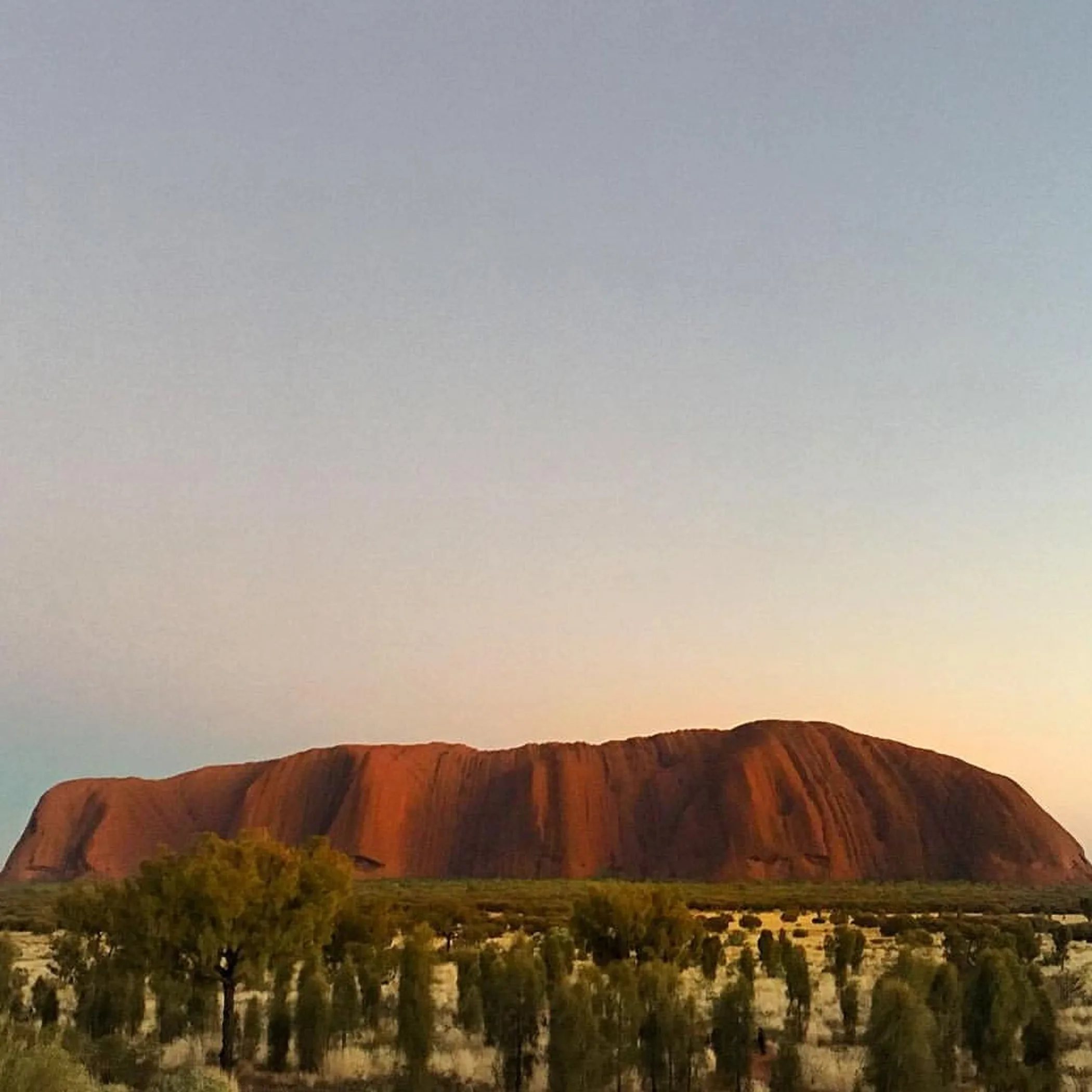
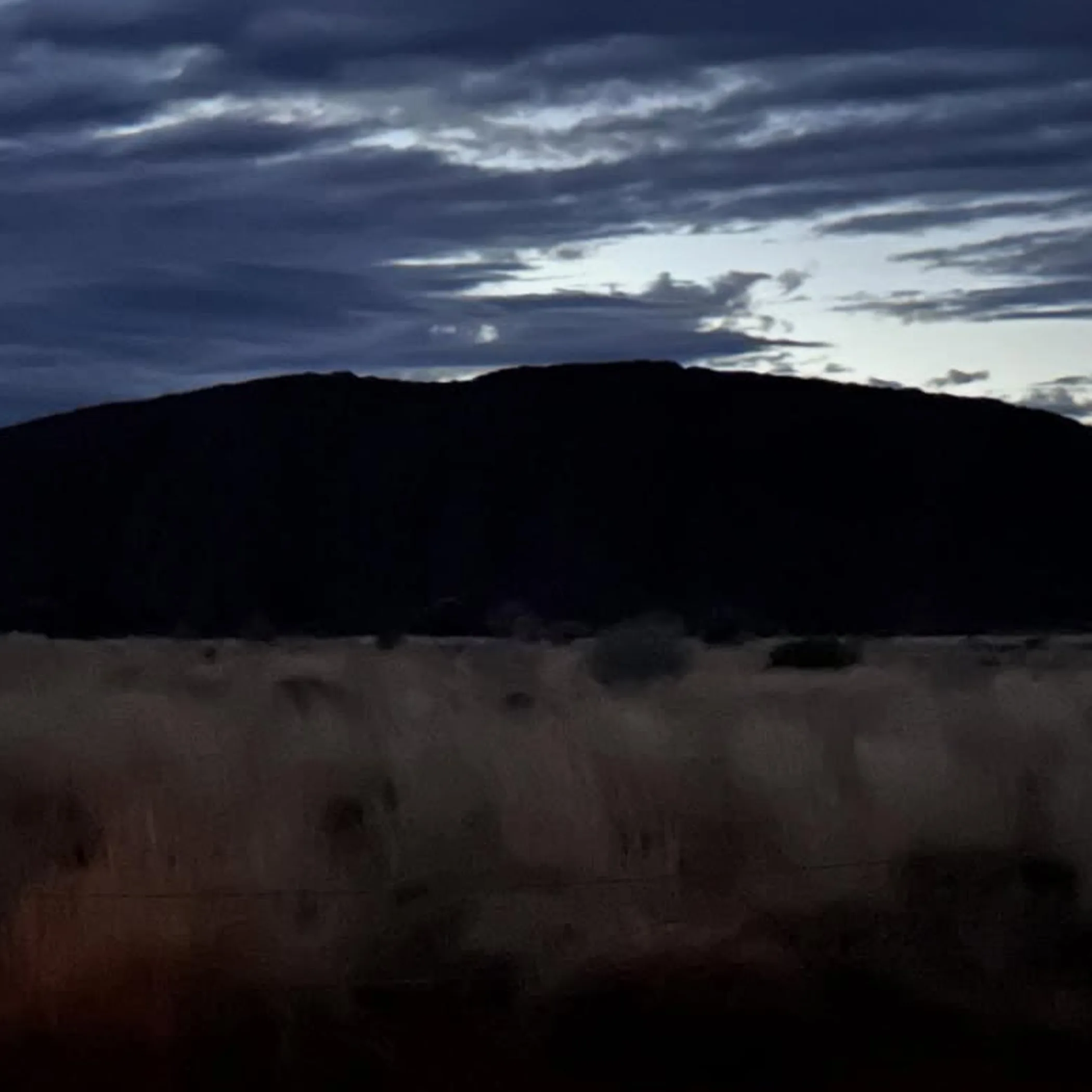
It is all very well at sunrise or sunset but you are not at 11.00 am with the full daylight to show you where you are putting your feet. The low light can play tricks on your depth perception and put shadows over rough ground; a traveller who is not ready can be taken aback by the desert’s quick change of temperature in thirty minutes.
Those making plans for Uluru sunrise safety or Uluru sunset safety are apt to concentrate on the view. Understandable. But they do not give as much thought to the unglamorous yet necessary details: parking, how nippy it gets before the sun comes up, the ease with which one can lose the edge of the track while looking at a phone, or how trying a dehydrated drive back can be.
Reality as against expectation
You might think to arrive, get out and enjoy some quiet with your camera. More likely you will be in the company of hundreds, buses and tour groups, tripods, children and the odd driver who parks as if he were mooring a ferry in bad weather. Not that it spoils it, only that a bit of planning is worth it. I would say this is a case where ten minutes of forethought spares you an hour of faffing about afterwards.
What you will find at dawn and dusk
Beyond the light, it is the sum of the conditions: the insects, the timing, the visibility. Before sunrise the Red Centre is cold enough to surprise you, then when the sun is up it is warm. You will read some generic safety tips Uluru sunrise but they miss the contrast of dark ground and a bright horizon, of warm jacket and cold hands, and the number of people about in a distracted state. Sunset is another matter altogether, with cars heading off in the fading light and drivers getting weary.
The cold of the morning, the warmth of the day
First timers are often caught out by the desert morning, having made the mistake of packing for the notion of central Australia being hot all the time. Out in the open before dawn it is quite chilly; later on in the day the same attire will seem absurd. Put on a fleece or light jacket with long trousers and decent shoes instead of a T-shirt and shorts. If you are in doubt as to what to wear Uluru dawn, go for warmth and leave the sun protection for after.
Then there are the flies
In the right season they are as bad as guts. No danger from them but they are a distraction and that is a safety concern on uneven ground in the dim. Some insect repellent flies is far more use than any photography tip when the pests are at your face. A head torch flashlight is preferable to your phone as a light source; it is hands free and you can save the battery for the return journey or if you need to navigate.
Put some thought into it
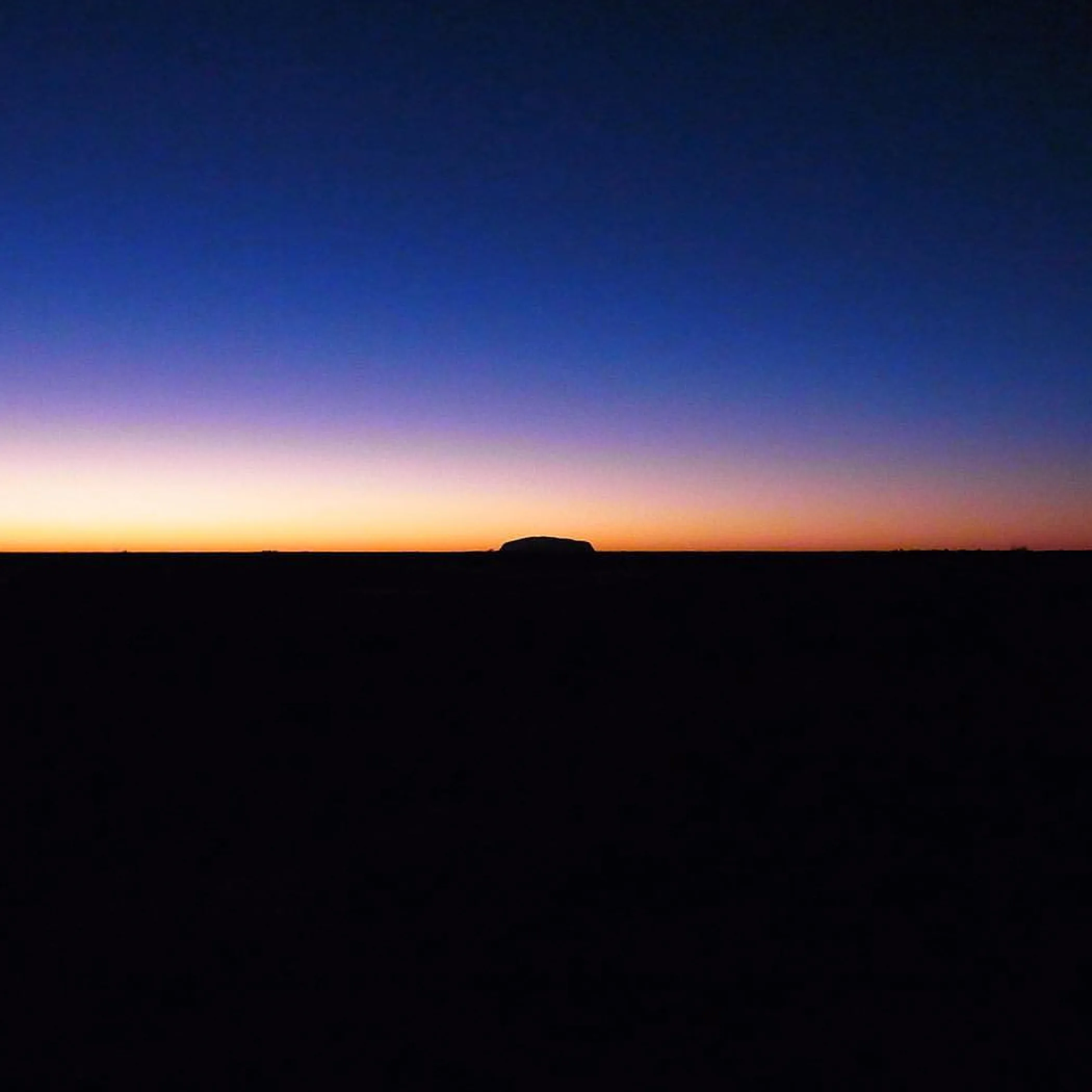
Before you put the key in the hire car or leave the campsite, check the park opening hours of the park and your route, factor in any queues and make up your mind on a viewing area. Even from Ayers Rock Resort the national park is an easy trip but “easy” does not mean foolproof. There are those who will leave of an evening and forget their pass, or not have any water to hand, or think all stops are run in the same manner. A perfectly placid day is quickly made a rush of it that way.
Passes, Access And Official Rules
One cannot take for granted entry conditions and the like, they have a habit of changing; so do yourself the favour of consulting Parks Australia’s Uluru-Kata Tjuta National Park information for the latest word before setting out. For your own safety in Uluṟu-Kata Tjuṯa National Park safety, Parks Australia would have you drink and carry sufficient water and stick to the marked tracks. It is simple advice but essential.
As a matter of practicality, put to rest any doubt as to your pass, if you are on a tour or behind the wheel, and what viewing area you have in mind. Should you be doing both Uluru and Kata Tjuṯa in the course of a day, be sensible. The distances are no problem in themselves but the desert will extend your plans once you factor in the heat, slow going, a toilet break or time for a few photographs.
Self-Drive Or Tour?
If you would rather another party took care of the driving, timing and local logistics, there is no better way to ensure the safety of an Uluru dawn tour safety. The operators of these tours take much of the guesswork out of it, particularly when you have only the one day or are not at ease with the dark.
Then again, self-driving has its freedoms, but the onus is on you for fuel, getting back on time and fatigue. After a poor night’s sleep on arrival in the NT, it is often wiser to let someone else put in the miles.
Dress And Pack For Reality
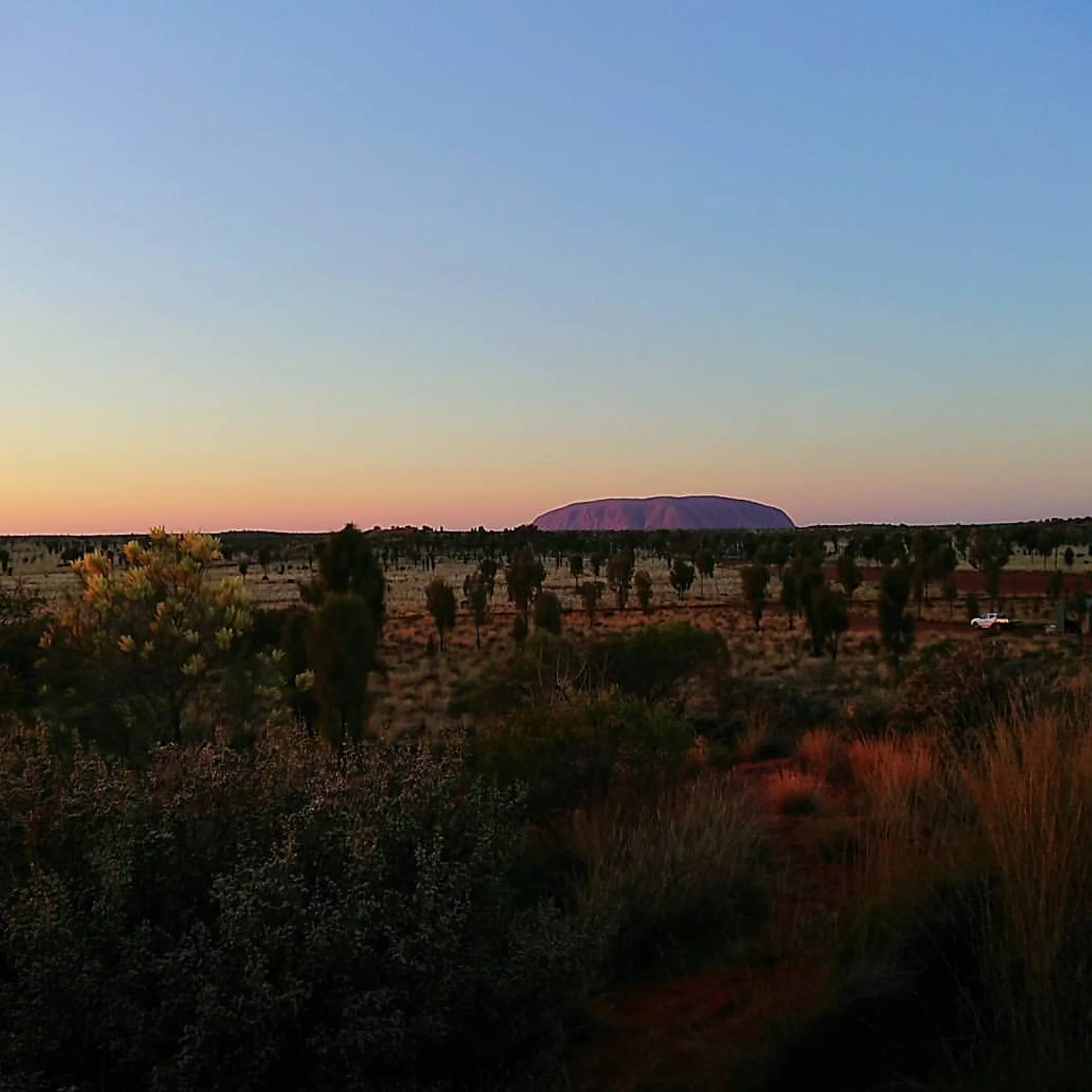
You are not going to need expedition equipment for a sunrise or sunset at Uluru. What you do require is some sensible clothing and water, plus a thing or two that people put down to the trip being too straightforward to warrant any forethought.
The error most make is to dress for the camera. It may look fine in the picture but in the wind it is wretched, and of little consequence if you are flimsily sandalled and squinting at flies while you put a foot wrong on a kerb.
What To Wear
Go with closed shoes that have a good grip. The rock may have its colours to distract you but a bit of gravel or a worn path will be enough to put you off balance. Long trousers are good for the cold of dawn and to spare you from the scrub should you stray from the edge of the track.
A hat is still called for, the light can be unrelenting either side of sunrise or sunset. Put on your sunglasses when the sun is up but see that they do not impede your vision in dimmer light.
What To Bring
- Water for all, even for a brief stop
- A warm layer for the early hours and something lighter to go under it
- Head torch or similar
- Phone and car charger, both fully charged
- Tissues, insect repellent and the basics for first aid, pain relief and blister cover
- Snacks for when you have more than one stop to make
Those of you at Ayers Rock Resort can put in an order for most things ahead of time, but do not count on having the inclination to shop at an ungodly hour before the sun comes up. Make it a point to pack and put it by the door the night before. It is a dull routine but the results are worth it.
Use The Right Access Points
For the sake of safety in the Uluru viewing area safety, use the walking routes and car parks provided. Do not be tempted to pull over on the shoulder of the road because the light is appealing. The designated sites are there for a purpose: less impact on the landscape, better sight lines and parking that is safer. When everyone has had the same notion at once, it is easier to make your exit without any fuss.
Where People Get Caught Out
Timing is the main thing. With sunrise it is more realistic to be there 20 to 30 minutes prior to first light to allow for parking and to get your bearings, rather than try to hit the exact time. In the case of sunset, put in a few extra minutes after the colour is at its best so you are not in a hurry to get back to the car with the rest of them. I have seen it in many a scenic place in Australia, half the crowd are gone too soon, the remainder lingers on and few give credit to the slow shuffle in and out of a spot. At Uluru with the long drives and the light fading it is of more import.
Practical Access Table
| Visit Type | Best Arrival Buffer | Main Risks | Who It Suits |
| Sunrise Self-Drive | 20–30 minutes before first light | Dark in the car park, cold, poor footing, drowsy driver | The confident and the early riser |
| Sunset Self-Drive | For the 45 to 60 minutes leading up to sunset | Expect a measure of crowds, some reversing and people not paying attention as they walk, making for a weary journey back | Best left to those who are independent and can be flexible with their time |
| Sunrise Tour | An operator will run the show | You have less say in the pace and should come with warm layers and water in hand | Suited to visitors of limited driving confidence or with only a day to spare |
| Sunset Tour | Again under the auspices of an operator | The group sets the time so there is little room to linger | A good fit for first-timers, the solo traveller or a couple |
Where you have but one day I would put sunrise first, provided you like the cooler, more sedate atmosphere; it is better to be sensible with what remains of the day than to put together some heroic schedule that leaves you exhausted in an effort to hit every stop. One can do a fine sunset as well, though after a full day in the park the departure tends to be more of a crowd and more tiring.
On Site: Take Your Time
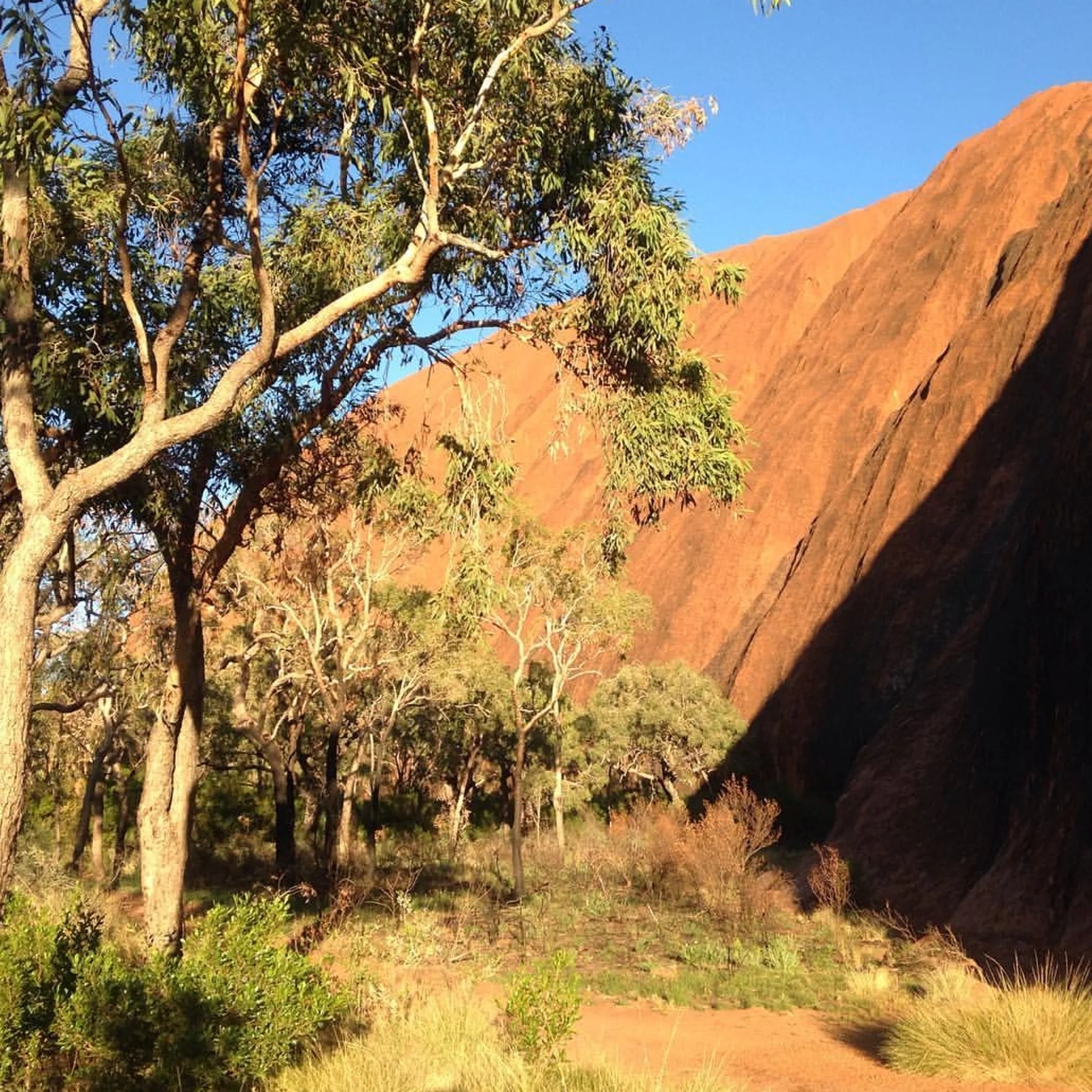
The way to be safe when you arrive is to slow down. Give your eyes a moment to take in where the path starts and stops. And unless you want to put the local first-aid to the test, put the camera away before you start walking backwards.
Stay on marked tracks is not just a conservation message. It is practical injury prevention. Between the low shrubbery and the uneven ground, a dawn or dusk outing can easily become a twisted ankle and an undignified drive home if you let your depth perception fail you.
Visibility, Footing and the Like
With children or older members of the party who might be unsteady, see that they are on the inside of the path and clear of any vehicles in the car park. Groups have a habit of straying too far apart, one in pursuit of a vantage point, another off to find a dunny.
Make sure you have a meeting place in mind before you get out of the vehicle. Reception is what it is and even when it is there, attempting to tell someone where you are in a viewing area at dusk is a bother best avoided.
A Safe Drive Home
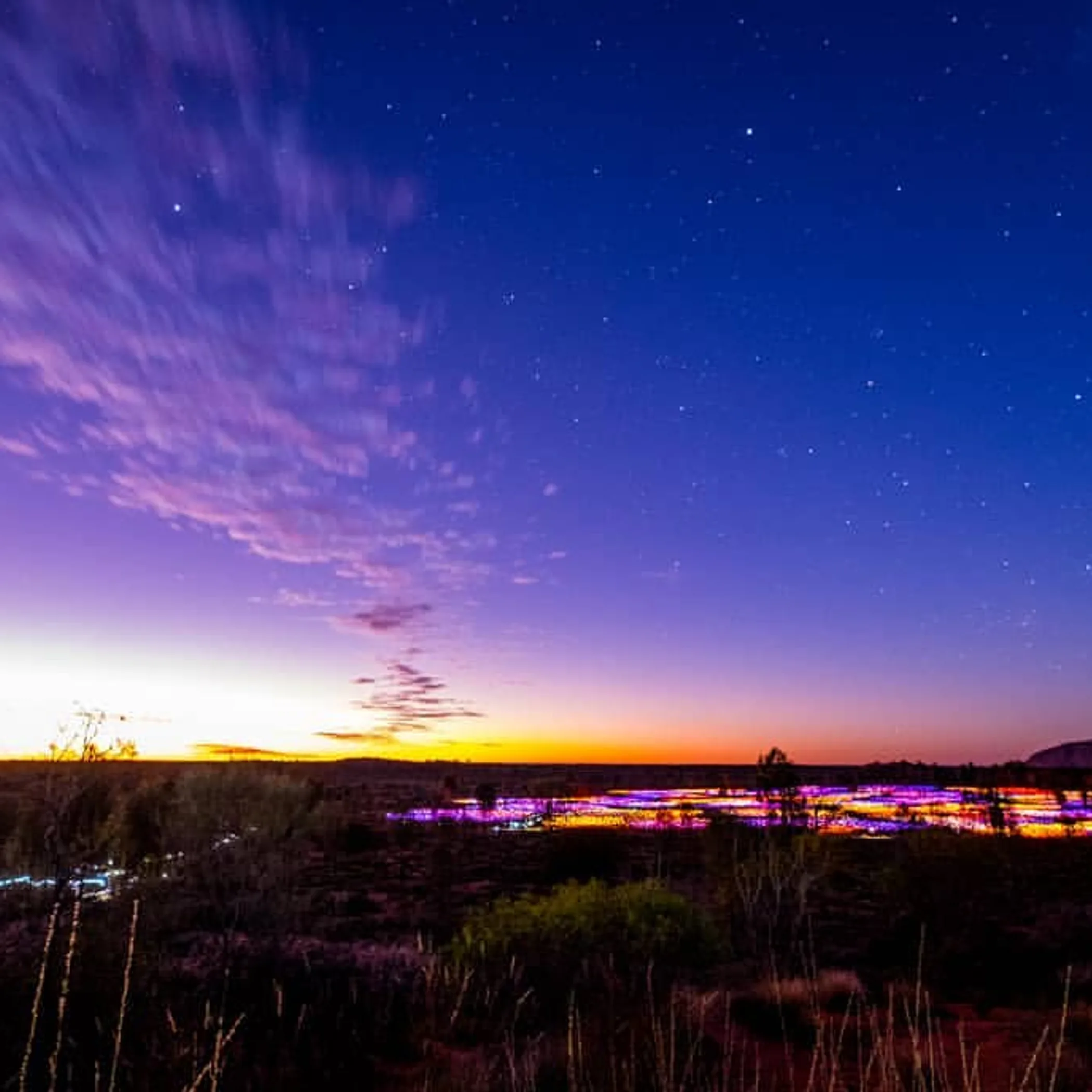
You are driving in the dark at sunset and pre-dawn at sunrise which calls for more care than most will concede. The short walk from the car park is no risk compared to the fatigue or wildlife or the loss of concentration after a long day. Then again, if an unfamiliar hire car and rural darkness do not appeal, a tour is the prudent choice. All the more so if you intend to put in a longer day by doing Field of Light as well.
Uluru and its Rules
One does not travel here with anything less than respect. Uluru is not a scenic convenience with a car park attached but holds deep cultural meaning. Observe the Uluru park rules sunrise sunset, use the areas you are meant to and be mindful of where you should not be photographing. Such respect is not some afterthought to the trip, it is how one visits properly.
Photography And Conduct
Do not be led by others with their phones up to think every angle is open to you; there are cultural photography restrictions in some places and the signage and park advice should be followed. At Uluru you do not leave the path for the sake of a shot, you do not climb where you are not allowed, you do not litter and you do not make of a sacred country a film set. It is not to be treated that way.
Heat, Health and the Occasional Emergency
It does not take much for a short visit to go wrong with dehydration or a minor injury made worse by a “no big deal” attitude. The environment will not tolerate laziness. Most often it is the simple things: overconfidence as to how long you will be out, the wrong footwear, not enough to eat or drink and then the sun comes up. It is rarely the drama that gets people in trouble. More often it is a series of small decisions that could have been avoided.
Common Risks
Outside the cooler part of the year you will find heat rising with some speed after the sun comes up. Travellers not well clothed may be put under cold stress before dawn. Then there are the ordinary hazards in and about the viewing areas: insects, glare, vehicles on the move and ground that is not level. Should one become fatigued to an unusual degree or feel faint or at a loss, the answer is to put a stop to it and address the matter forthwith.
In the event of an emergency, put through to 000 if you can get a signal and make sure park staff or your guide are made aware of it. For something less pressing, a trip back to your accommodation and some first aid is usually more sensible than to be stubborn and press on.
A Checklist
I would run this short list through my mind prior to setting off at dusk or dawn. There is nothing elaborate about it but then most good travel habits are not. The formula for success, whether you want to see the Uluru sunset viewing tips or have a plan for leaving before daybreak, is to know where you are going, have your essentials, observe the rules and not let a fine sky make you negligent.
- Check the park’s access and what conditions are like before you go.
- Have your water, insect repellent, torch, phone and layers to hand.
- Confine yourself to the legal parking and the proper viewing spots.
- Keep to the group and be mindful of your footing as you walk.
- Any restrictions on photography or cultural ones should be heeded.
- On the way back drive with care, factoring in the dark and any wildlife as well as fatigue.
Taking a minute to double-check your gear and plan your exit in advance is one of those Small Personal Branding, Web Design & SEO Consulting habits that pay off when you are out in the desert before dawn.
Keep It Simple
There is no need to make a fuss over Uluru. A visit at dawn or dusk is within the capabilities of most, even those making their first trip, so long as they are prepared for the desert and low light and the inclination to do foolish things in pursuit of a photograph.
Sunrise has a way of being calmer and cooler in my experience, while sunset is more of a social affair and busier. Both are to be done if you have the energy. If only one is on the agenda, pick the one that accords with your sleep patterns and how you feel driving in the dark and the kind of ambience you prefer. And do it right.
Frequently Asked Questions
Is sunrise or sunset the way to go at Uluru?
You could not say one is better than the other. Sunrise tends to be more peaceful and cooler. Sunset will give you more dramatic colour and be more social, if also more crowded. As far as safety is concerned, sunrise is for those who can make an early start, sunset for those who would rather not be on the road before dawn.
When is it best to stay away from Ayers Rock?
If uneven terrain or the heat is problematic for your health, steer clear of high temperatures and poor preparation. You might also think twice about a dawn or dusk outing if you are running on empty or dehydrated, or if you are with someone unsteady in the dim light, or if the thought of driving in the dark makes you uneasy.
How to be respectful at Uluru?
Stick to the marked paths, heed the park and its cultural guidance on photography and act with the understanding that the place is of consequence. Some quiet attention is called for.
What to avoid?
Assume a quick scenic stop requires some planning and have your water. Do not park where you should not, do not wander, do not be oblivious to the weather. Such minor errors are what cause most of the problems.
Will a beginner be all right with a sunrise or sunset visit?
Most will be. Provided they can cope with the basic conditions of the desert and a bit of driving after dark or before it, it is fine. Not so much for anyone with mobility problems or little night vision or who is not confident outside the city; for them a guided tour is the safer bet.
