There are four usual suspects for the seasonal causes of blocked drains in Australian suburbs in 2026: household waste, tree roots, heavy rain and an accumulation of leaves and garden debris. Then there is the matter of weather turning what was a small maintenance issue into a costly plumbing emergency when the stormwater system or sewer line shows its weaknesses and all your neighbours are on the phone as well.
My name is Richard Redfern. I have found that a blocked drain does not give you much warning. One minute the shower is running slow, the next there is a soggy spot by the fence or the stormwater grate has become something of a pond. What follows is a guide to the seasonal afflictions of the suburban drain and how to deal with them before the mozzies make an appearance.
Seasonal Drain Problems Explained
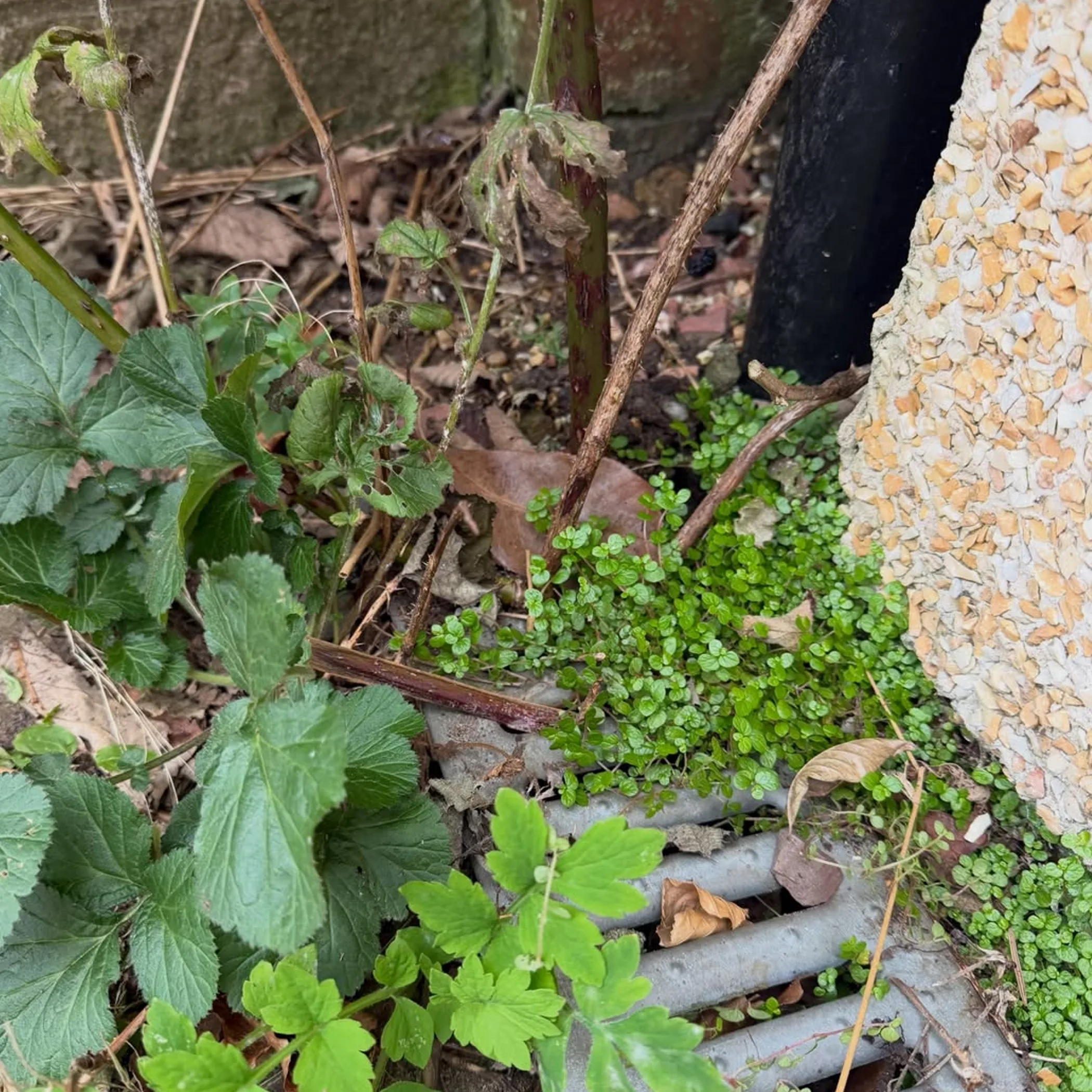
You will find pressure points in any Australian suburb change with the season. Tree roots put in an appearance in spring looking for moisture; winter rain gets at damaged pipes; summer storms are too much for the gutters and autumn grates are full of leaves. During heavy rain, drainage systems can quickly reach their limit, leading to potential flooding in streets and properties.
To forestall a full blockage it is best to be aware of these patterns. The table below offers some practical estimates for planning purposes, not national statistics, as the outcome will be dictated by local conditions such as the age of the pipe, soil type, rainfall and council drainage design.
Read The Warning Signs
Do not write off a drain that is taking its time as being “a bit sluggish”. There could be hair in the bathroom pipe, grease in the kitchen line, an object in the toilet or roots constricting an underground pipe. See the main reasons for new suburb drain blockages.
Waiting for the water to stop is what catches most people out. Take a recurring problem as evidence: if you have cleared a drain and it is blocked again in a week or so, the obstruction is likely more than what is visible at the trap or grate.
The Trouble With Autumn Leaves
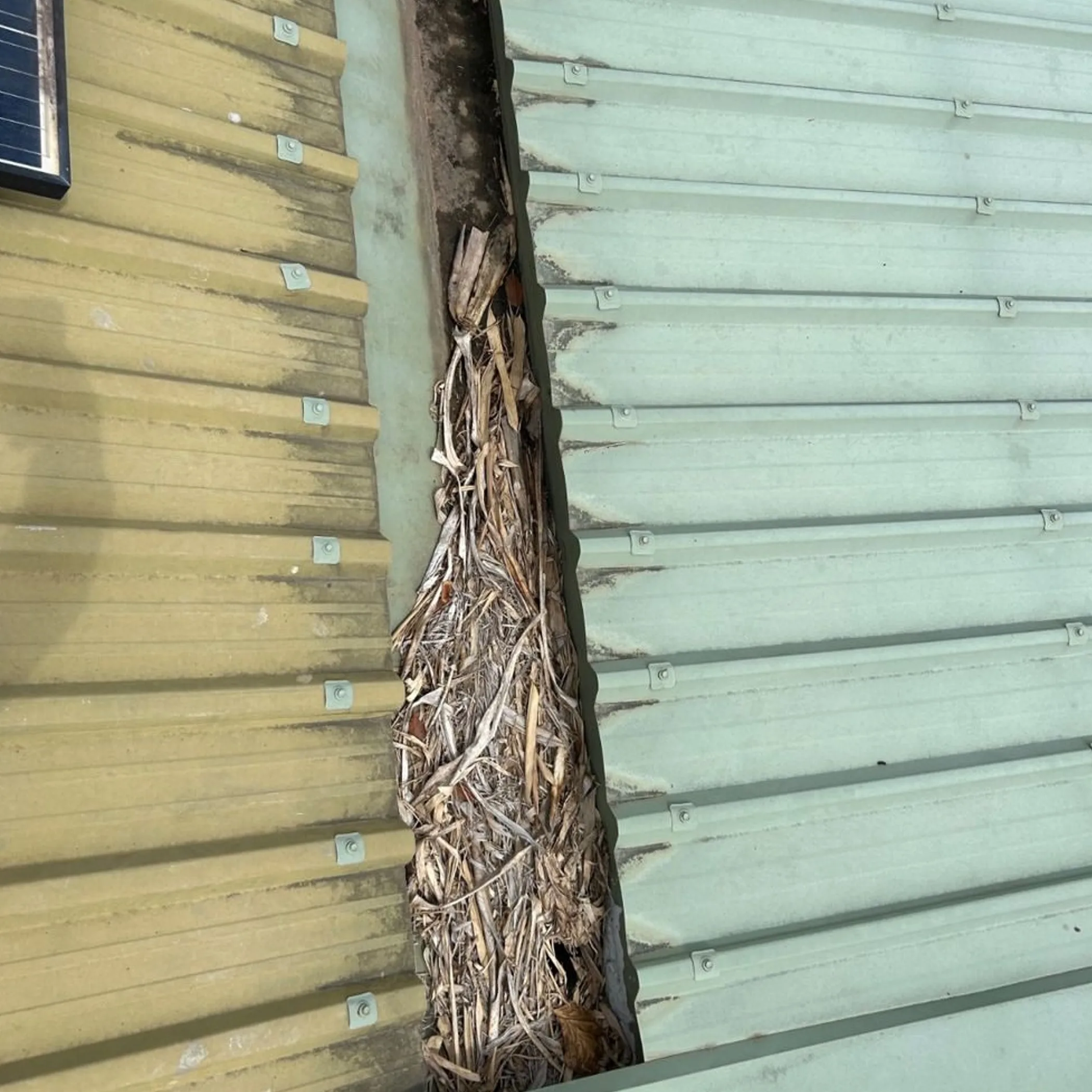
Leaves have a way of clogging a drain by piling up around the kerb, in the garden pit or at the downpipe. A dry afternoon might leave the place looking presentable but one good shower and the loose material is a wet mat impeding the flow.
It is worse still under deciduous trees overhanging the roof or where the garden beds run down to the house. Use a leaf blower and you will have moved the mess from the lawn to the stormwater in no time, which is an efficient means of relocating the problem.
Clear Grates Before The Rain
Before the forecast turns wet, after a bit of wind, take a walk of the property. Rake up the leaves or do it by hand and put them with the green-waste if you can, and make sure the downpipe outlets are not under a layer of mulch.
A word of advice, do not try and heave up an inspection cover in a storm. The covers are slippery and the void underneath is not somewhere one wants to put a foot to discover.
For an autumn check of the places where blockages get started in the suburbs, look at the front kerb, the driveway and backyard pits, the gutters and any low point to a retaining wall.
When Summer Storms Overload The System
Even a conscientious owner can have his drains blocked by a summer storm. Intense bursts of rain put more on the local streets and pipes than they can handle, while the runoff takes with it soil, branches and mulch.
This is typical after a long dry period when the soil is hard and will not absorb the water. The first flush of the storm will send any loose debris right to the grates.
The Bureau of Meteorology has an Australian weather warnings and rainfall service for official information. It is worth checking before you set about clearing outdoor drains in the event of flash flooding, cyclone alerts or severe thunderstorms.
Sudden Downpours: Be Ready
A summer storm will be upon you before you know it. Make sure to remove any debris in plain sight of the grates, but do not wade into floodwater to do so. Put away children’s toys and garden furniture as well as any pot plants that are not put out of the way; a driveway can turn into a shallow creek and carry off all manner of things.
There is no need to put yourself in danger by driving on a flooded road for the sake of looking at a drain. A stormwater drain may be blocked and an inconvenience, but the water itself is hazardous. Should you see water encroaching on electrical equipment, get some distance and put in a call to the local council or emergency services.
Once the storm has passed, see if the water has made its way out as it should. A pit that is still full while the rest of the area has dried up is cause for concern. From a safe vantage point, take a photo and let the council know of any public infrastructure issues.
Pipe Damage Laid Bare by Winter Rain
Dry weather has a way of concealing faults that winter rain will put on display. Joints can be dislodged by the soil, tree roots will make short work of a small crack and the likes of an old pipe may give way under the ground pressure it has been under for years.
One does not always have to look inside the house to find evidence of a damaged pipe. Damp odours, paint that is bubbling, a soft spot on the lawn or a toilet with a habit of gurgling are tell tale signs. They should be heeded since a blocked drain can be what is apparent of a more extensive drainage problem.
When to Have Things Inspected
If a plunger has not done the trick after a few tries, leave the chemicals alone and set up a plumbing inspection. They will not fix a structural issue and can be a safety risk for whoever has to work on the pipe down the line.
With a CCTV inspection the plumber can put his finger on a root, an object or a section of pipe that has caved in. It is better than having to dig up a driveway or part of the garden over an obstruction.
Make access easy for the plumber. An unlocked side gate, vehicles moved from the vicinity of where he will be working and a clear driveway are good logistics to have in place, not least when the ground is sodden and the weather is against you. Point out where the internal fixtures tie in to the outside drain.
An Invasion of Spring Growth
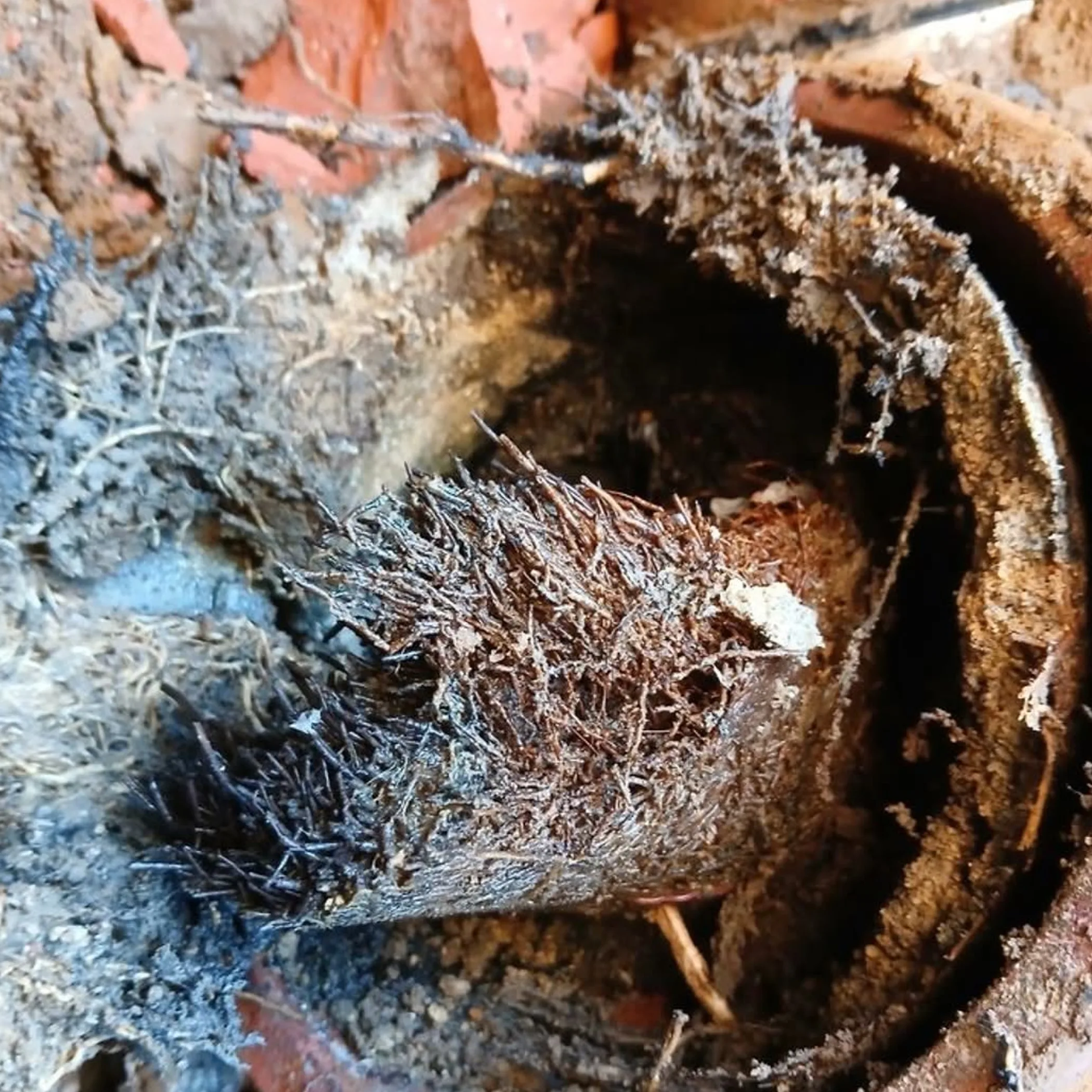
Spring is not just for flowers and new plants. When tree roots are after water and nutrients they will go through loose joints or a hairline crack in the pipe and become a nuisance in your drains.
They will not force their way through a properly sealed pipe. They look for weakness. And once in there they make for a rough surface on which grease, soil and toilet paper can accumulate and a blockage will form.
Root Blockages
These tend to reappear in the same spot. The outdoor gully overflows despite your having cleared the debris, or you have trouble with a number of fixtures at once and the toilet is slow to flush.
It does not follow that the tree in the vicinity has to come down. What is called for depends on the rules in the area, the tree and how much the roots have grown and the kind of pipe. Let a qualified plumber examine the line and advise on whether the drain needs cleaning or the pipe replacing.
While you are at it, spring is a good season to see to the gutters and the drainage of your retaining wall and put in order the garden irrigation. It relieves the pressure on any weak pipes by keeping water off the ground.
Household Waste Exacerbates the Problem
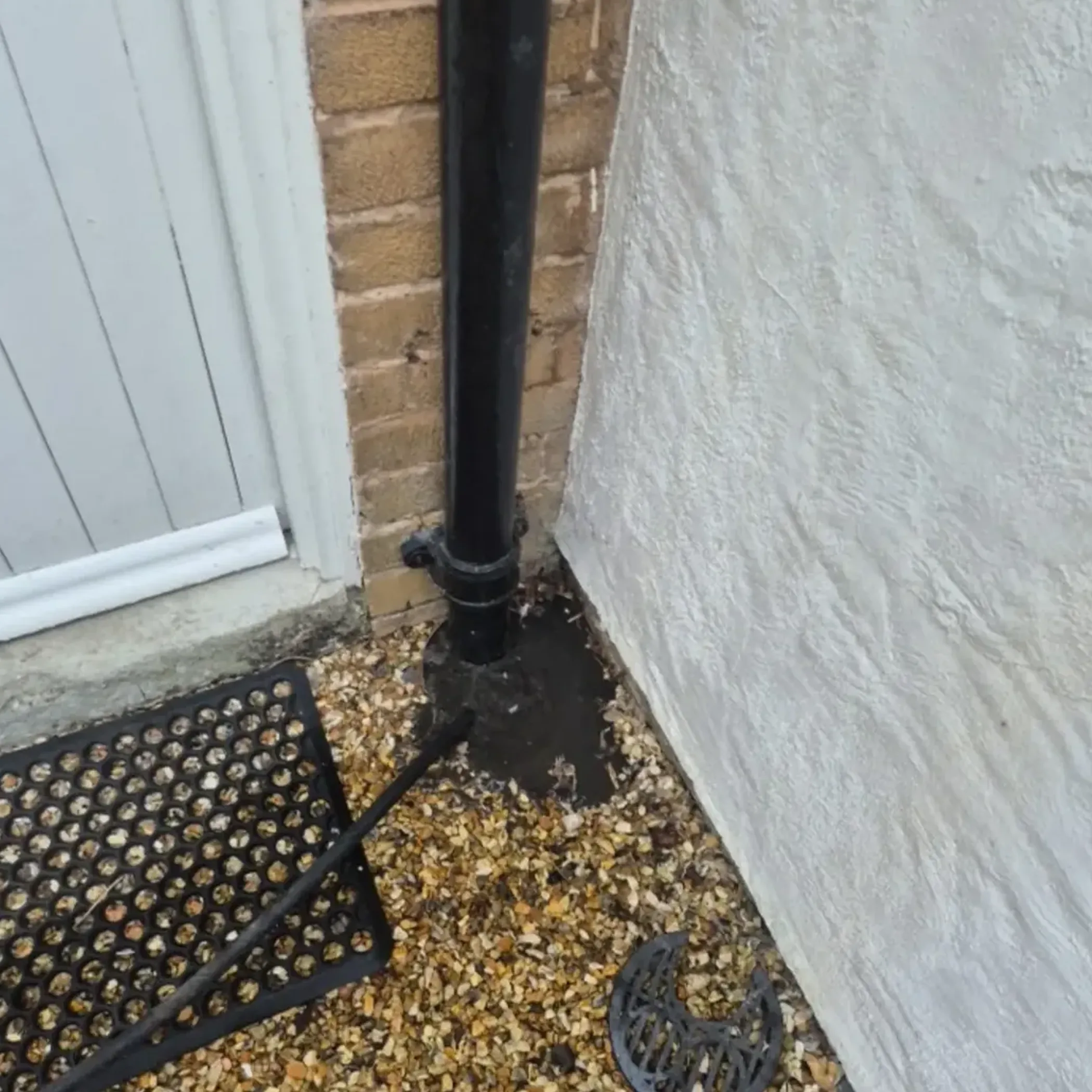
Blocked drains are an Australia wide issue and the weather is only part of the explanation. Rain can add to what is already in a constricted pipe and household waste can make a seasonal restriction a total blockage.
The kitchen is where one is most likely to run into trouble. Grease and fat pour easily into a warm pan yet in the pipe they cool and hold onto food, making a sticky impediment of sorts.
Drain Habits Need Changing
Bathroom and toilet drains are no place for cotton buds, hair or other objects. Food should be scraped into the compost or bin, cooking fat left to cool and then put out in accordance with local waste rules. A sink strainer should be used and kept clean, as should a hair catcher on the bath or shower. As for the toilet, only human waste and toilet paper belong there. Paint, cement and mulch are to be kept from the drain.
- Use a sink strainer and keep it clean.
- Put a hair catcher over the bath or shower outlet.
- Only flush human waste and toilet paper.
- Keep paint, cement and mulch away from the drain.
People are apt to think anything with “flushable” on the label is fine for a sewer line. But municipal systems and the state of the pipes in a home are not uniform. A bin is not as appealing but it is safer.
All Year Round Blockage Prevention

One does not find drama in the upkeep of a drain, only repetition. Yet a cursory look after some hard rain or wind, or when you have been at gardening, will spare you the indignity of a weekend emergency with nothing but a torch and a bucket of little use to stand in the downpour.
An effective routine is a matter of sensible household habits, surface cleaning and having a professional on hand if the symptoms make themselves known again. One has to be mindful too that where the responsibility lies can be a different story for private plumbing as it is for shared systems, public stormwater or sewer lines.
A Simple Maintenance Routine
Make it a practice to go over the property at the turn of the season and see what is to be had of the visible grates, gutters, downpipes and low spots. In the wake of a big storm, silt and branches may have made their way in, or covers are out of place. Tenants should put any recurring issues in writing to the property manager and have photographs of water damage to hand.
Where there are mature trees about, clay pipes of an age or a propensity for blockages, it is wise to have a professional assessment done from time to time. The interval is up to the site; no national schedule will do for every Australian suburb.
Follow this order: put people first, get rid of what is safe to on the surface, steer clear of contaminated floodwater, make a note of the symptoms and put in for qualified help should it happen again.
Local Conditions Will Dictate Your Plan
There is no single climate across Australian suburbs. You have the wet and dry seasons in the Top End, cyclone warnings in the north between November and April, protracted winter rains in the south. The Red Centre, the Pilbara, Adelaide and the NSW coast all exact a toll on drainage in their own way.
The council can tell you who is in charge of a roadside pit or public stormwater grate. As for private drains and the like within a property, that is generally on the owner or occupier, though boundaries are not always clear. Make sure of the proper authority before putting money down on work that could be someone else’s.
When To Call A Professional
If you are seeing sewage, an outdoor drain is running over with no debris to account for, or a blockage is back in short order, or water is backing up in more than one fixture, then you want a professional. It is a sign of something amiss in a branch of the system or pipe damage.
Any plumber worth his salt will put forward the cost and method of non-urgent work and the reason for it before he starts. Get a quote that makes allowances for call-out fees, disposal, excavation, CCTV and any repairs that follow.
The Right Response
Drain cleaning will deal with roots and soft deposits but is not a panacea. Should the pipe be cracked or badly displaced, you may have better flow for a while but the fault remains.
In an emergency, do not mix your chemicals and ensure children and pets are not in contact with the water. Walter the greyhound would put his old head into a dubious puddle with the aplomb of an engineer; one has to be the supervisor in such matters.
And do not expect a price for blocked drains to fit all. Location, access, timing and the need for excavation or repair will set the cost. Have it in writing in Australian dollars before you give the nod to more work.
Some Common Questions
I put these here to address the misunderstandings I come across. The answers are straightforward enough but a blockage that will not be put off calls for an assessment of the site.
What is behind a drain blockage in Australia? Leaves, garden waste, grease, hair, tree roots, objects, soil movement and pipe damage are the usual suspects in new suburbs. Seasonal weather will hasten matters by forcing water and detritus through already constrained pipes.
Can you get a blocked drain from heavy rain?
You can. Flash flooding will put larger debris in the stormwater and heavy rain can bring in mulch and sediment. After a dry spell it can also reveal a damaged pipe or be more than the local drainage can handle.
Are tree roots to blame?
They will find their way into a poorly sealed or cracked pipe and gather material. They are unlikely to breach a sound pipe however, so a CCTV inspection is useful in determining the true cause.
Prevention?
Use strainers in the shower and sink, keep waste out of the drain, check after a storm and do not let slow drainage go unheeded. For older pipes or where there are large trees, planned maintenance and an inspection are good things to have.
Who is responsible for stormwater?
It is a question of ownership and location. The property owner for private plumbing, the council or other authority for public pits and roadside infrastructure. Check with the council before you have major work done.
After a deluge?
From a safe vantage point, check the drainage but stay well clear of any electrical hazard or unstable cover. Put the issue on camera, how long the water lingers, and if it is affecting public or private infrastructure, ring the council or a plumber.
Let The Water Run
In the end the seasonal problems of an Australian suburb are manageable. There are hints in the autumn leaves, the summer storms, spring roots and the odd bit of household rubbish before they become an issue.
Do what you can safely, alter the habits that lead to blockages and put in a call to a professional when it recurs. A little attention will see your drains in working order and your garden the drier for it, leaving the weekend for pursuits more agreeable than an altercation with a gully trap.
