Under the 2026 regulations in Australia a business has to put in place controls for fall risks and identify them, it does not matter if the job in question is above some fixed legal height or not. The 2 metre mark is well known when it comes to safe work method statements and high-risk construction, but one should not think of it as a line under which gravity ceases to be a concern.
Richard Redfern has put together this guide to set out the principal WHS duties in Australia for working at heights, along with any state variations, what is expected by way of training, equipment and SWMS. It is for the PCBU, contractor, worker or supervisor who would like a straight answer before an employee is up a ladder with nothing but a toolbox and optimism to see him through. For further guidance, see these height safety guidelines.
Rules In Force For 2026
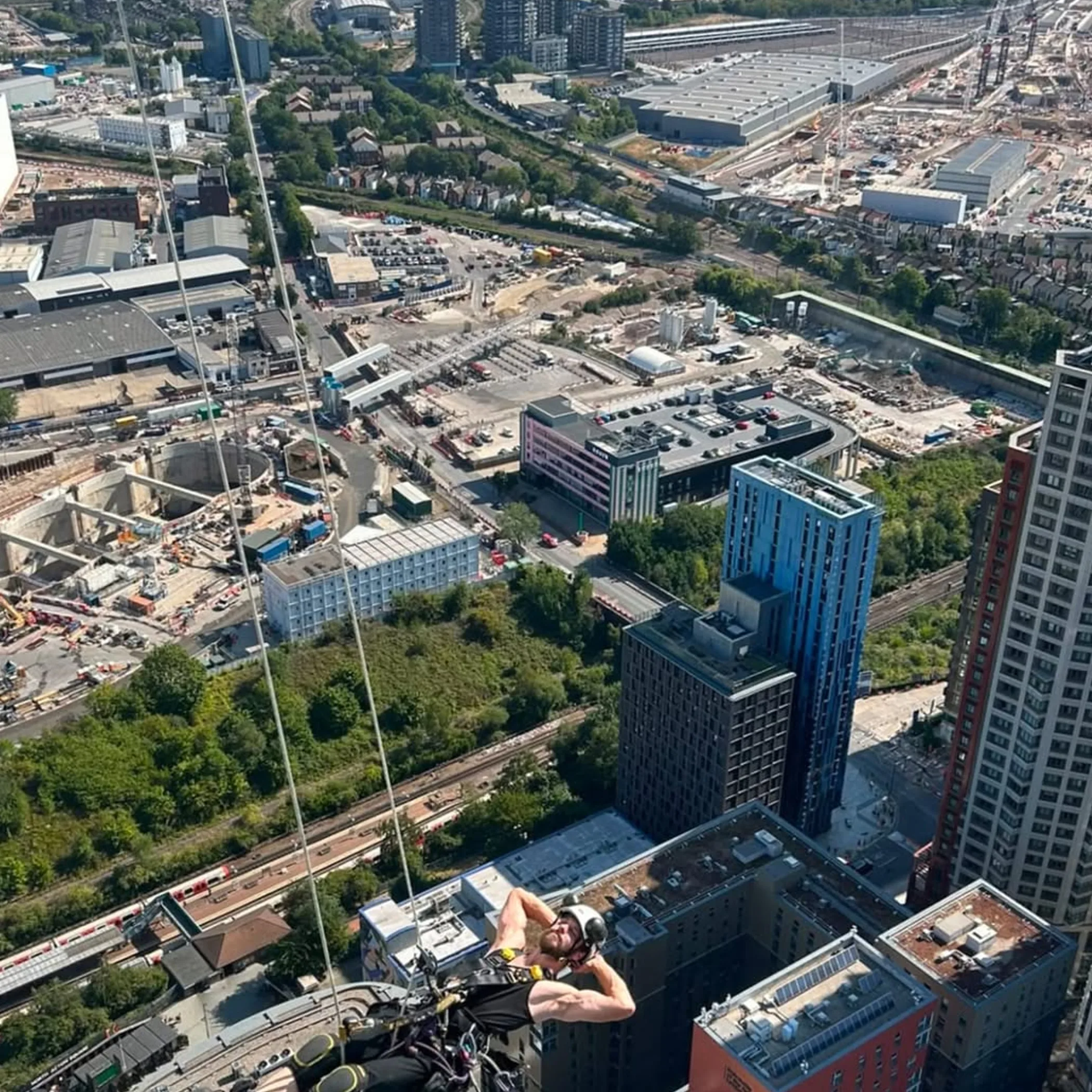
Australia-wide requirements are a matter of each jurisdiction’s occupational or work health and safety laws and the attendant codes of practice and regulator guidance. Safe Work Australia may have its model laws, but it is the states and territories that enact and police their own.
Risk of falling is where you start. Be it a roof edge, an excavation, a mezzanine, a fragile surface or a scaffold, a worker can be in for a bad fall. And the fact the tape measure reads 1.99 metres does not make the job any safer.
Legal Height Limit?
You will not find a legal height across Australia that is the universal starting point for all working-at-heights duties. What the law asks is if there is a risk of falling and, in the case of construction, if the work qualifies as high-risk under the regulations.
A serious injury can result from a fall off a low level onto concrete, rebar or an exposed edge. Duty holders and employers are obliged to do a risk assessment and have the right fall prevention in place to deal with foreseeable risks.
See Safe Work Australia for the most recent national regulator guidance on working at heights.
The Two-Metre Rule For Construction
In the model WHS construction regulations a fall of more than 2 metres is the trigger for high-risk work in Australia. That means a safe work method statement is called for before commencing.
Do not mistake the threshold for an exemption from safety duties when the work is below 2 metres. The PCBU must still see to it that the risk of falling is minimised or eliminated so far as is reasonably practicable. More often than not people are caught out by that.
What You Are Measuring
It is the distance of the potential fall that is being measured at 2 metres, not the length of the ladder, the handrail or the person. On a 1.5 metre platform next to an unprotected 3 metre drop, a person is still open to a fall in excess of 2 metres.
Then there are other high-risk elements to construction such as trenches, shafts, traffic or powered mobile plant and live electrical services; a SWMS could be required on those grounds alone.
Western And South Australia
One has to look at these two states on their own as they do not follow the model WHS laws to the letter. The way to go in 2026 is to note the state in which the work is being done and follow the regulator’s legislation and codes.
SafeWork SA has the regulations and the Work Health and Safety Act framework in South Australia. In Western Australia WorkSafe WA is the administrator of its own legislative framework. A contractor on the Nullarbor would be unwise to think a form or the wording of a training request from one side of the border holds good in the other.
Checking For Changes
Calling them “2026 changes” is something of a misnomer. They may be new enforcement priorities, an amendment, a revised code or updated training products. Prior to a big project it is worth confirming your documents are in order with the worksite and reviewing the material from the state regulator.
The hierarchy is the same but the conditions are not. A risk assessment for a roof in Adelaide might be concerned with access, heat and fragile surfaces. Out in the Pilbara the basic fall controls have to be adjusted for the wind, extreme heat and the prospect of cyclone alerts or remote rescue in the northern wet season.
Duties For All Duty Holders
Under the Work Health and Safety Act, one is not limited to the individual in the harness when it comes to duties. Be it a PCBU, an officer or principal contractor, a designer, manufacturer, supplier, installer, supervisor or worker, there will be responsibilities that flow from one’s role.
A PCBU is required to put in place safe systems of work and provide the necessary equipment, training, instruction, supervision and information. Workers in turn have to use their equipment as intended, heed reasonable direction, make sure any hazards are reported and not circumvent controls. There is value in consultation; the one on the ladder will be the first to see what is awkward.
PCBU And Worker Responsibilities
It is for the supervisor to make certain workers know the rescue plan, the exclusion zones, how to inspect equipment, what the weather limits are and the way they will access the task. If the job departs from what was planned, the supervisor should see that the control is still doing its job.
As for the worker, a harness is no licence to be at an unprotected edge without a proper anchor and means of rescue. It will stop a fall but does not get rid of the hazard nor ensure you are rescued in short order.
The Control Hierarchy
One should not have to depend on equipment to catch a fall when regulations across Australia prefer a control that precludes it in the first place. The hierarchy of controls is there to give supervisors a sensible way to decide, with personal protective equipment being the last resort after the risk of height has been taken away.
I have found the error is rarely one of not having the right gear. It is in putting on the gear before considering if the work can be done from the ground. An extension pole, a cordless tool or a component put together in advance will do away with the necessity to climb.
| Control level | Practical example | What catches people out |
|---|---|---|
| Eliminate | Do the task at ground level or have components assembled prior to lifting. | People are prone to assume climbing is the only way without trying something else. |
| Substitute | Put a long-reach tool or a more stable platform in place of a ladder. | One might be drawn to a quicker option that is less steady. |
| Engineering | Make provision of guardrails, scaffolding, safety nets or a compliant form of edge protection. | A common oversight is to leave a gate or floor opening unguarded. |
| Administrative | Enforce a SWMS, permit process, weather limit and so on. | Do not mistake the paperwork for a control while the physical hazard is there. |
| Personal protective equipment | This includes the harness, travel restraint, fall arrest and anchor systems. | Pay attention to clearance, fit, inspection and the like. |
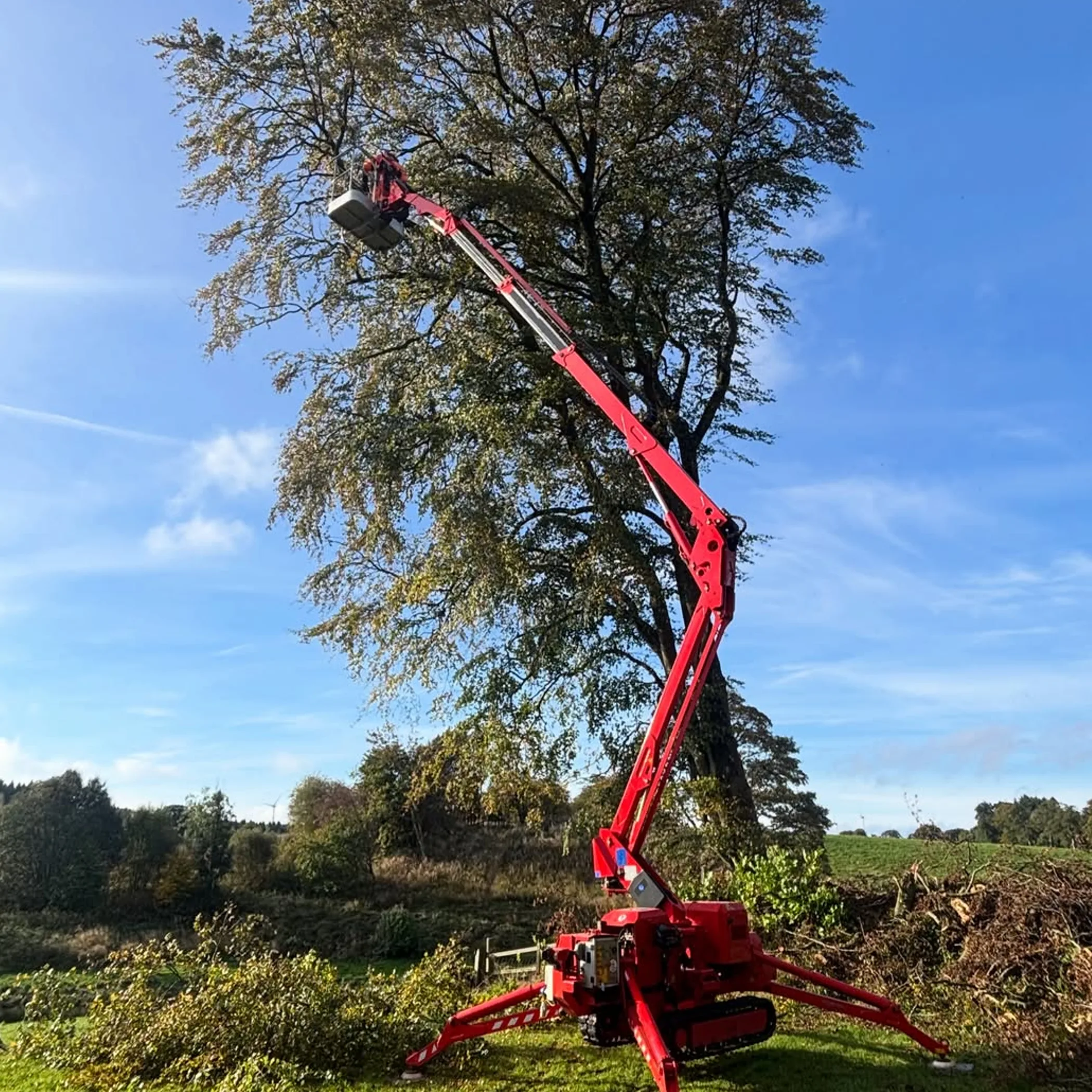
For fall prevention, guardrails and scaffolding are generally superior to fall arrest alone. Elevated work platforms will lessen exposure yet the operator must be trained and have a way to handle entrapment or a breakdown of the machine, as well as do pre-start and ground checks.
When You Need A SWMS
Construction work carrying a risk of a fall in excess of 2 metres will normally call for a working at heights SWMS. That document is to set out the high-risk nature of the work, the hazards and the controls and how they are to be put in place and seen to.
Do not put forward a generic SWMS from another site as planning. It could talk of a roof and yet overlook the fragile skylight, an access hatch or a mobile crane in the vicinity, not to mention that the sole rescue vehicle is behind a locked gate.
Making A SWMS Of Some Use
In a working at heights SWMS one would expect to find the work area, egress, fall edges, weather, communications, emergency arrangements and who is answerable for each control. What happens if things change should be made clear.
And have a rescue plan, not just “call for help”. Think about suspension trauma, whether the injured party can self-rescue, traffic, first aid and a failure of communication. Run through the plan before anyone goes up.
On Training And Competency
There is no national “working at heights ticket” that applies to all above a given height; what is called for will be a matter of the workplace risk, jurisdiction, the equipment and the competency shown by the worker.
RIIWHS204E Work Safely At Heights is a unit of competency that a client or employer may insist upon. But RIIWHS204E is no substitute for a current risk assessment, induction, being put through your paces with the equipment or receiving instruction on the task.
Equipment-Specific Competence
Some high-risk plant calls for a licence. A boom-type elevated work platform of a certain length will need the appropriate class. That does not mean a licence for one piece of machinery makes one competent on every restraint system or rescue device.
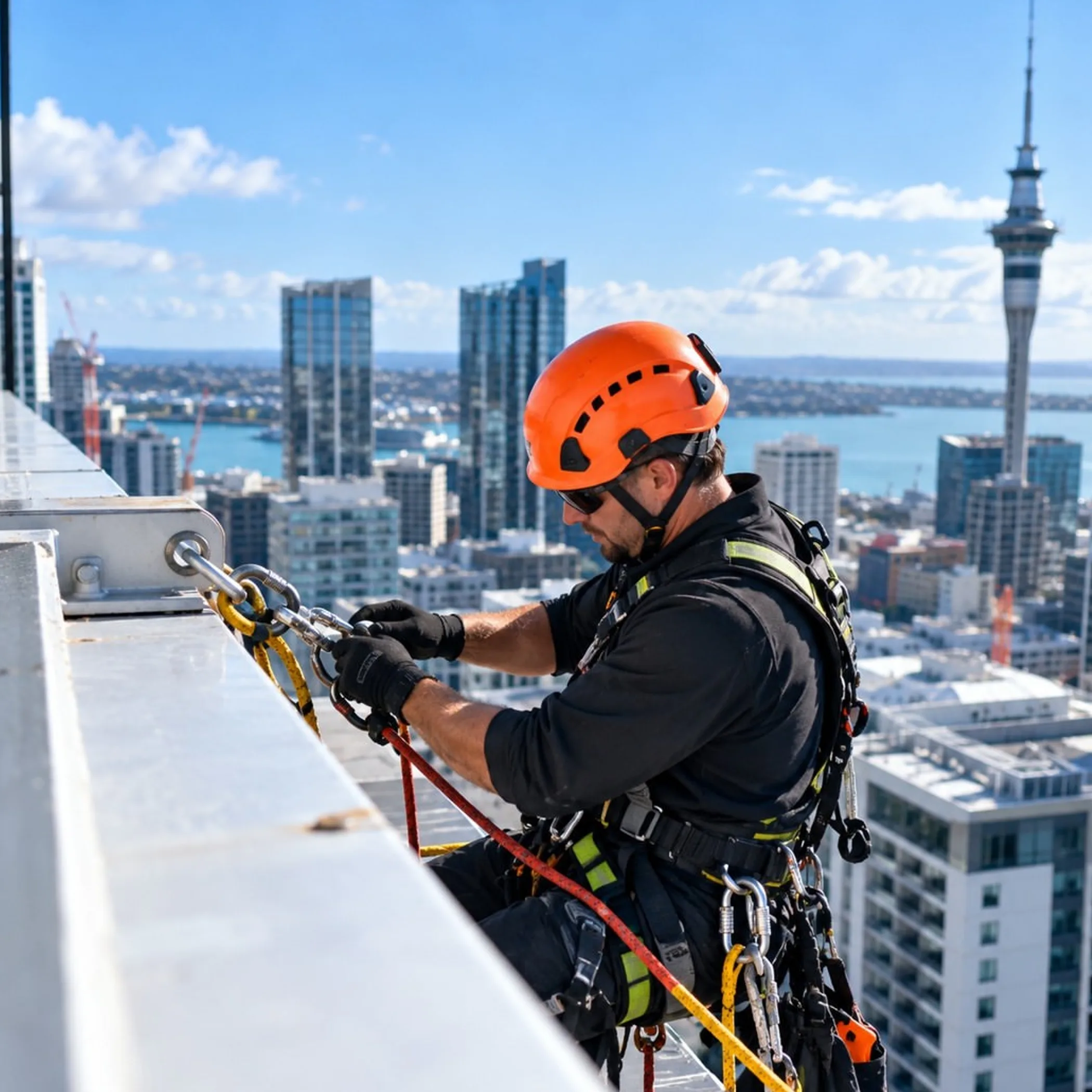
Where applicable, training must encompass the fitting of harnesses, how to choose an anchor, lanyard constraints, inspection and suspension relief, as well as the operation of platforms, access to scaffolds, ladder positioning and what to do in an emergency. Then there is AS/NZS 1891.4 which is pertinent to the safe use, maintenance and selection of industrial fall-arrest systems; it does not, however, absolve one of WHS obligations.
State And Territory Requirements
The intent behind the rules in any state or territory is safety, yet they will have their own Acts, codes, terminology and regulator processes. In Victoria for instance, you will find occupational health and safety legislation, a departure from the model WHS Act wording that is the norm in most other jurisdictions.
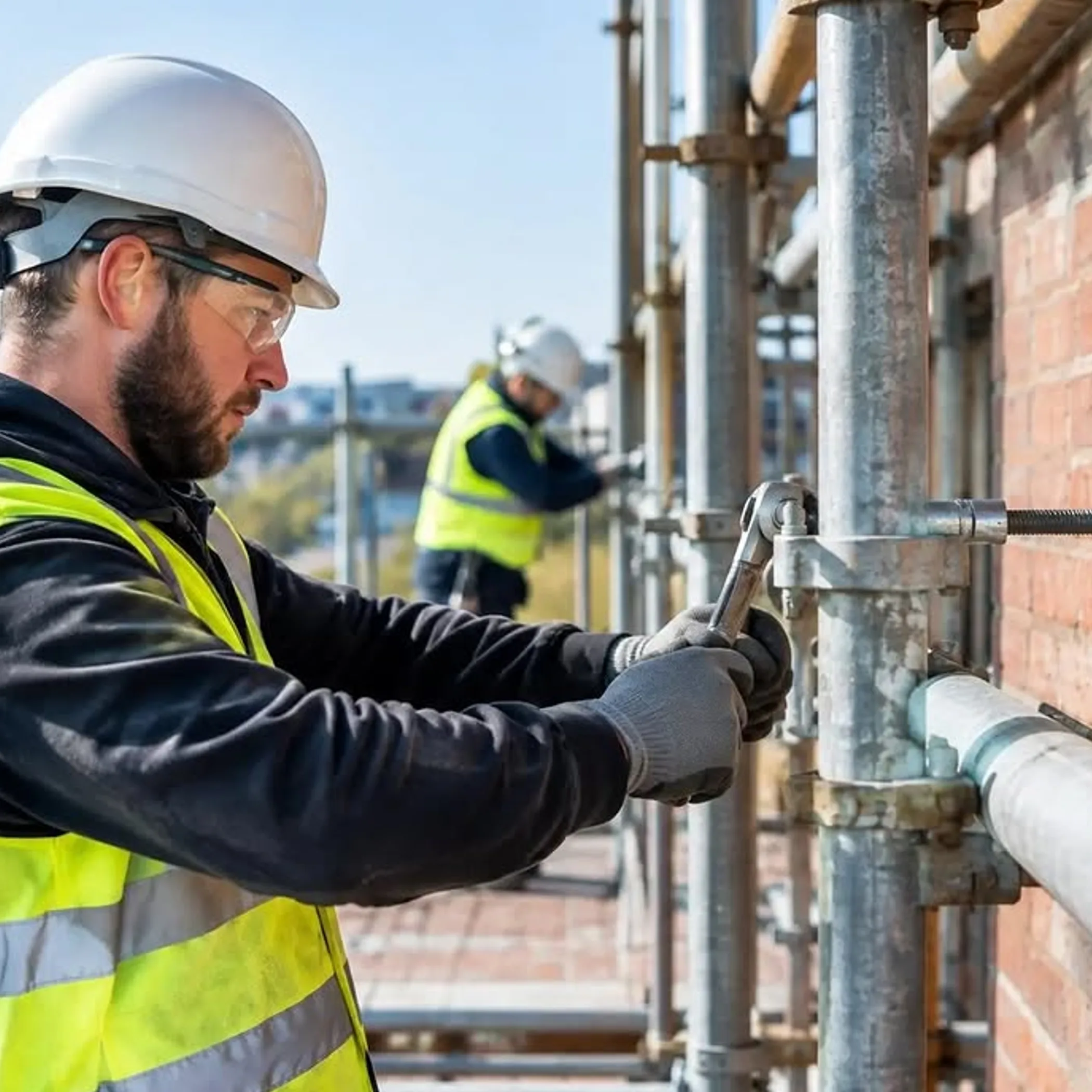
Do not put too much stock in a template without first consulting the regulator, on construction work in particular, be it roof work, scaffolding, excavation edges or anything requiring a licence. Safe Work Australia puts forward the national model law but is not some kind of national inspector with a permit valid across Australia.
| Jurisdiction | Regulator to check | Practical focus |
|---|---|---|
| New South Wales | SafeWork NSW | Model WHS duties, SWMS controls and high-risk construction work. |
| Victoria | WorkSafe Victoria | Occupational health and safety duties and controls to prevent falls. |
| Queensland | WorkSafe Queensland | WHS duties, plant and competency issues, construction risks. |
| Western Australia | WorkSafe WA | Regulator guidance, construction requirements and State WHS legislation. |
| South Australia | SafeWork SA | Roof work, ladders, scaffolding, fall prevention and WHS legislation. |
| Australian Capital Territory, Tasmania and Northern Territory | Relevant local regulator | For the worksite one has to apply the current codes, regulations and the local Act. |
Site Planning That Works
Planning is rarely glamorous. One has to make sure the return route is unobstructed, materials are put in place prior to climbing, the access point is sound and a rescuer has somewhere to stand. On a big site the plan should account for vehicle movements and parking so a rescue or ambulance is not hemmed in by deliveries.
A risk can alter with the weather in short order. Roofs, ladders, scaffolds and platforms are all subject to wet-season rain, wind, frost, glare or heat, and bushfire closures. The original risk assessment may have been as flat as a pancake but when storms come or visibility is poor, work has to cease.
- See to it that the task, the fall distance, any openings or fragile surfaces, edges and the way in are all confirmed.
- If possible do away with the climb and opt for collective fall prevention over personal arrest.
- Ladders, guardrails, scaffolding, harnesses, anchor points and lanyards are to be inspected before they are used.
- Make sure there is adequate supervision and training, that licences and a SWMS are at hand and the worker is clear on things.
- Put in place a rescue plan that will work, set your limits on the weather and establish zones of exclusion and how to communicate.
A short job in a day calls for priorities: the access, edge protection, equipment and rescue arrangements. Do not think the job is fit for an inexperienced hand because it is brief. A five minutes on the roof can generate a lifetime of paperwork of the less enjoyable variety.
Frequently Asked Questions
You will encounter these questions on an Australian worksite more often than not and they are a source of confusion. The short answer is only part of it; the legal position is dictated by the jurisdiction, the risk and the equipment.
What Are The Legal Requirements For Working At Heights In Australia?
It is incumbent on duty holders to put an end to or at least minimise fall risks as far as is reasonably practicable. This may mean providing safe access and guardrails, having suitable platforms, doing a risk assessment, consulting and ensuring there is training and supervision. Where there is a fall risk in excess of 2 metres in high-risk construction work a SWMS is required.
Which Two Places Would Not Generally Be Working At Heights?
There is no list of two places that are universally excluded. In practice, being in a room with no edge to fall from or on ground level would not be termed working at heights. But an unprotected opening in the floor or an excavation edge presents a risk even if one is not on the roof.
Do You Need A Permit For Working At Heights?
No single WHS permit exists for every such task in Australia. The principal contractor or site owner might insist on one, as may procedures for hot work, confined spaces, crane operations or electrical isolation. It is not a substitute for a risk assessment or physical fall controls.
Do You Need Working At Heights To Wear A Harness?
Not of itself. A travel restraint or fall arrest system of proper design will call for a harness and it has to be of a type to suit the anchor points. A compliant platform or guardrail may make a harness unnecessary; conversely, donning a harness with no clearance or plan for rescue is false security.
Is RIIWHS204E Legally Mandatory?
It is not a catch-all for training in this area. An employer or client may want it but the worker’s competency has to be commensurate with the environment and the task. More instruction could be called for on elevated work platforms, ladders, rescue systems or whatever hazards are peculiar to the site.
Make The Safe Route Normal
Australia’s legislation on working at heights is plain enough: control the risk of a fall and have those doing the work know the system inside out. While the 2 metre mark is significant for SWMS and high-risk construction, planning for safety should begin below that.
Here is my view on it. Before anyone goes up, see if the edge can be made safe, if the equipment is right for the job, if the rescue plan is for real or if the task can be done from where one is standing. Should the answer be in any doubt, put the plan right and be done with it. Gravity is not one to wait for and neither should you, mozzies or not.
