Marine Stinger Safety in QLD
One could not put it more plainly when it comes to marine stinger safety on the Queensland coast: heed local warnings, put on protective gear, swim where there is a patrol and do not dismiss a warning sign as mere beachside ornamentation. There are stingers to be found in much of the coastal waters of Queensland; the risk is apt to be greater in the warmer months or in the wake of certain weather.
I am Richard Redfern and my writing is concerned with the practicalities of travel. On a Queensland beach that entails an understanding of where and when to get in the water and how to react if someone gets stung. You can enjoy the coast but a jellyfish will not be deterred by the fact you have put in for parking, located a fine spot under the pandanus or have a picnic ready.
An Introduction to Marine Stingers
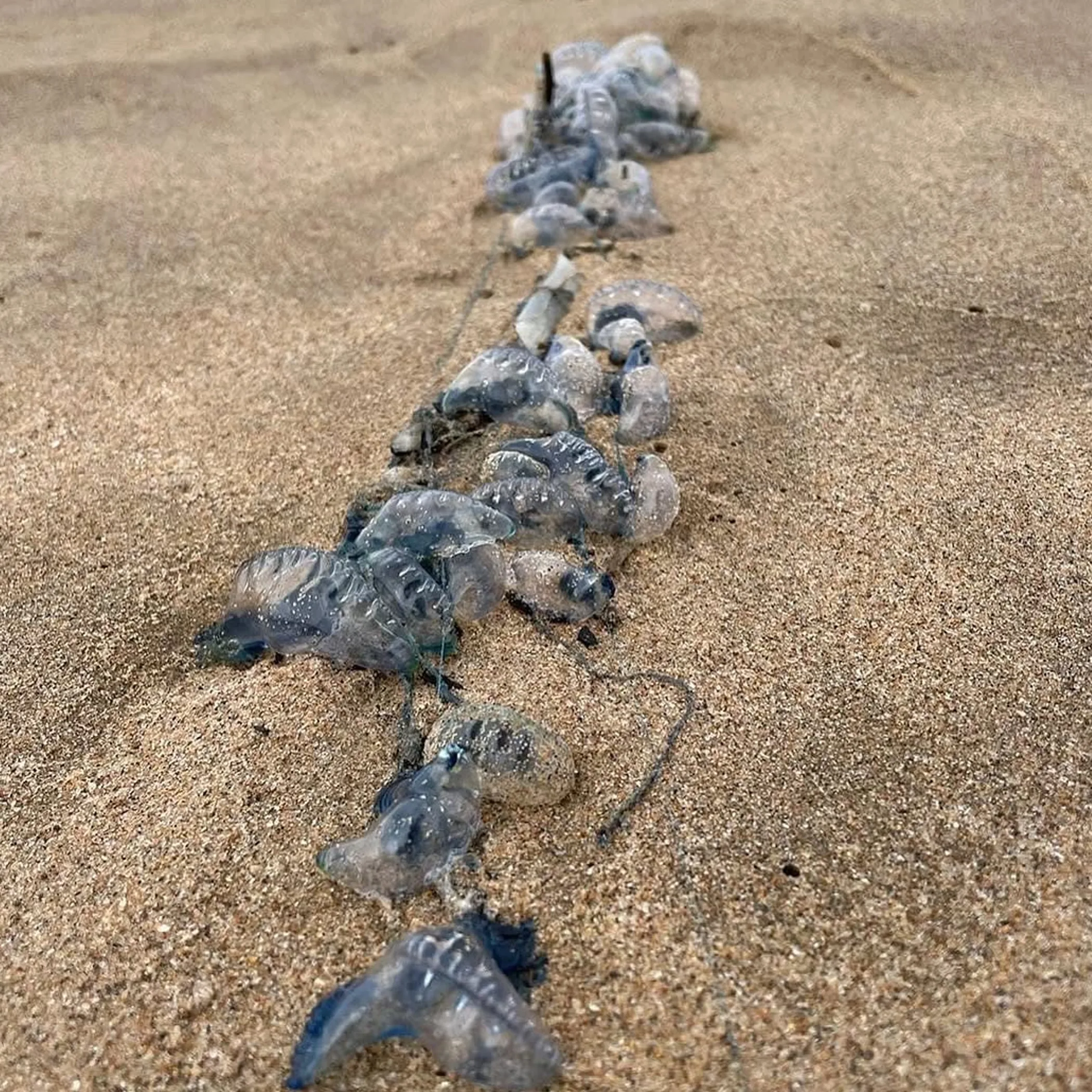
These are gelatinous sea creatures, jellyfish among them, equipped with microscopic cells to deliver venom. The pain from some is only localised and of short duration, while others may bring on serious problems with the skin, heart, nervous system or breathing.
It is not any one animal that is the chief safety issue on the tropical and subtropical shores of Queensland. Box jellyfish, Irukandji and bluebottles present their own set of risks and call for different first aid. When in doubt as to what has stung you, take it seriously and get medical opinion.
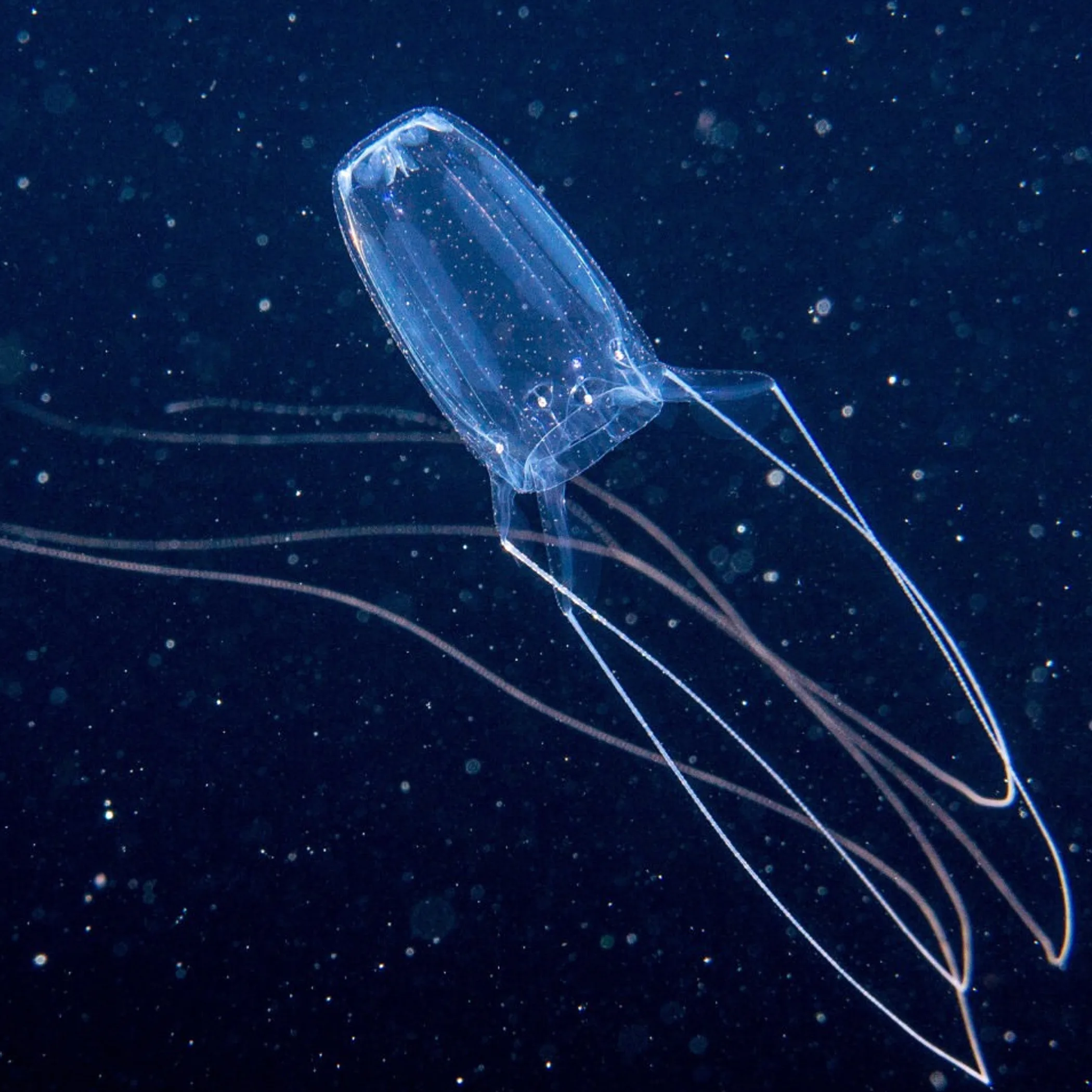
Box Jellyfish And Irukandji
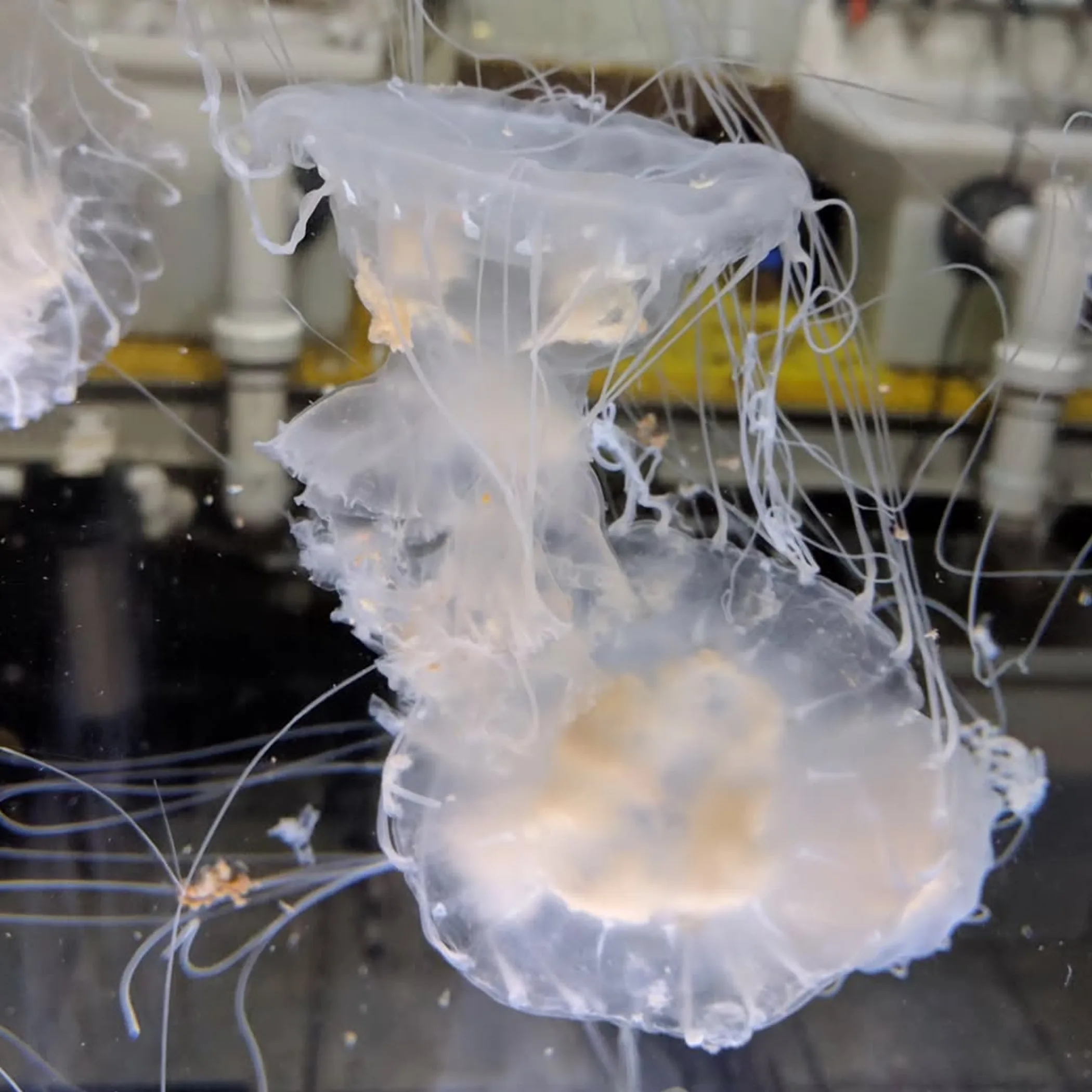
In the waters of northern Queensland you will find box jellyfish. Their tentacles are capable of inflicting intense pain and envenoming of a serious nature. Then there is the Irukandji. A small jellyfish and hard to spot, yet a sting that seems minor at first can turn severe.
The syndrome they produce is characterised by a sense that something is very wrong along with anxiety, trouble breathing, nausea and vomiting and acute pain in the back, chest or abdomen. Do not be fooled if a person is all right in the immediate aftermath of a sting; symptoms can be delayed so keep an eye on him or her.
Bluebottles And Other Stingers
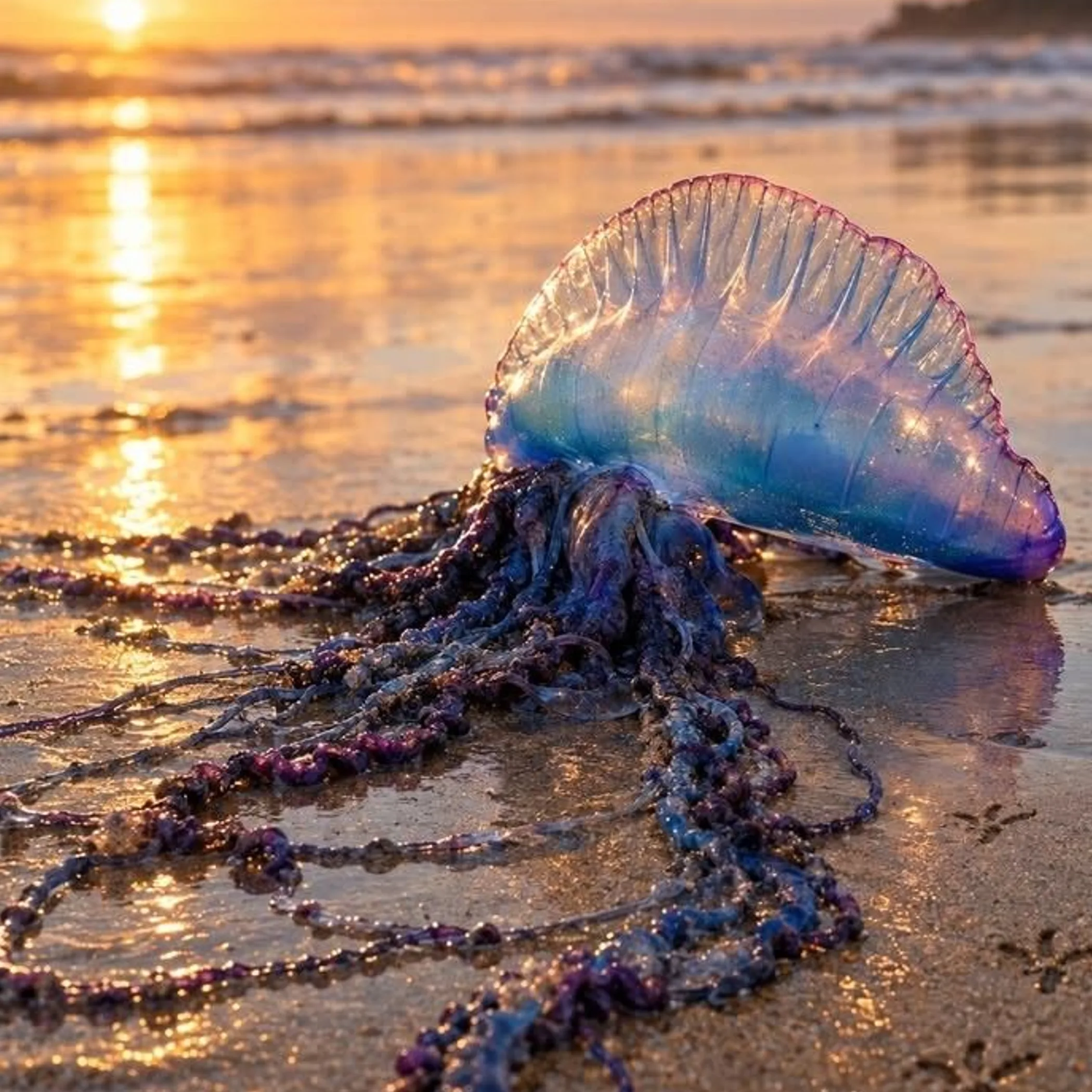
You will come across bluebottles on many an Australian beach, Queensland included. They tend to leave raised red welts and a sharp pain where the tentacles have been. Not as perilous as a box jellyfish, as a rule, though “as a rule” is doing a lot of heavy lifting there.
Even in clear and still water a beach can have stingers thanks to wind and currents. And never handle a bluebottle with your bare hands, even one lying dead on the sand.
When To Swim
In northern Queensland the period of highest risk for marine stingers is normally November to May, when it is warm. But water temperature, tides, wind and what has been sighted recently will dictate things. The tropical north of the state can have stinger risk beyond the normal season and the south may see bluebottles put in by onshore winds. Do not look to a calendar for a date the water is safe; local counsel is better.
The Wet Season
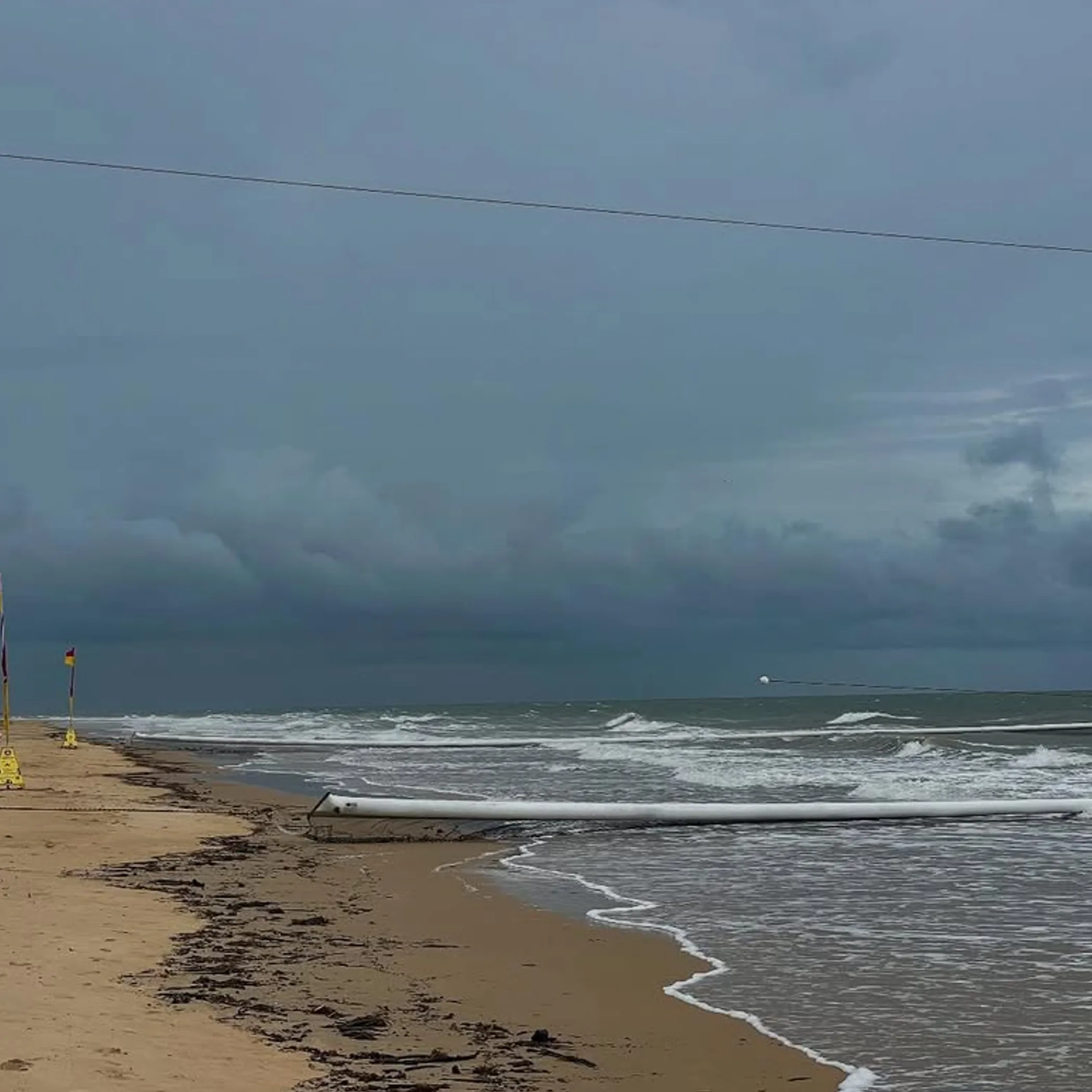
A change in conditions can be swift with the rougher seas, strong winds and runoff of the wet season. Cyclones and tropical storms have a way of bringing animals and debris in from the open. Make sure to check any warnings after such weather, some facilities and access roads will be shut.
In drier months things are more agreeable but the seasonal risk is not nil. Put some faith in the signs, ask a lifeguard and confine your swimming to the proper areas.
| Situation | What It Can Mean | Safer Choice |
|---|---|---|
| Warm tropical water | Higher chance of dangerous stingers | Opt for a patrolled beach and don a full stinger suit |
| Onshore wind | Bluebottles will make for shore | Have a look at the shallows and the sand before you go in |
| After a storm or heavy rain | Reduced visibility and stronger currents | Wait for the authorities to say it is all right |
| Beach warning signs | A recent sighting or restricted swimming | Find another beach |
| Unpatrolled beach | No lifeguard if the situation goes south | Pick a patrolled one, especially if children are in tow |
Safer Beaches in Queensland
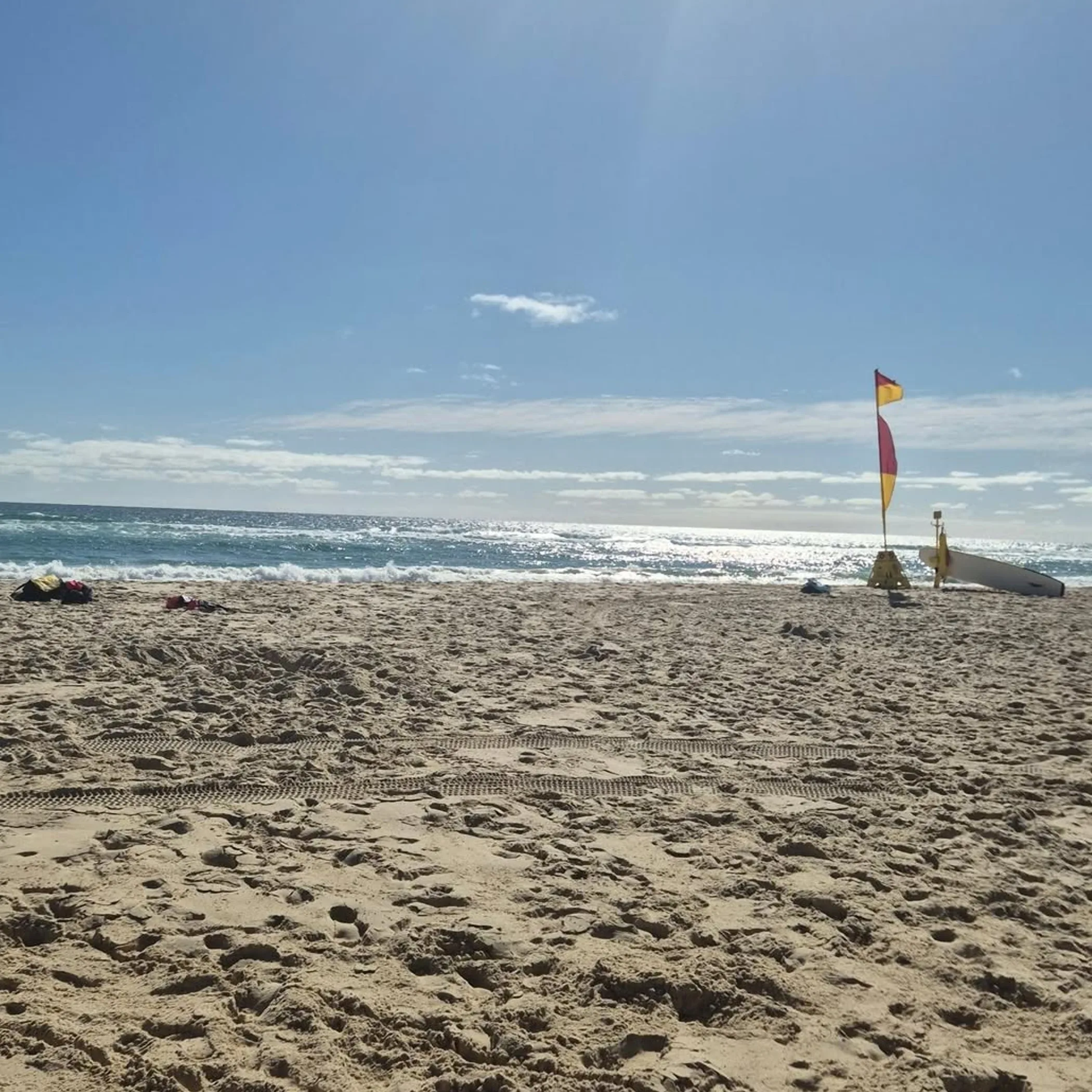
Patrolled beaches are the place to be for a swim, with lifeguards on hand for the latest local word. Heed the red and yellow flags and the signs at the entrance. Patrol times are subject to change so verify before you head off, do not make the assumption the flags will be in place after lunch. There are marked differences in the conditions one will find on Queensland’s extensive coast, from the Gold and Sunshine Coasts to the Whitsundays, Cairns, Port Douglas, Townsville and out in the Far North. A beach that was fine yesterday could have a warning posted today; safety here is a matter of ascertaining the local situation rather than putting stock in what a friend recalls from last summer.
Local Information
Find out from your accommodation, a visitor centre or a lifeguard what marine stinger activity is like at present. Heed any signs at the beach and for updates look to the council or Queensland Government. The guidance put out by Queensland Health on marine stingers is the place to go for first aid and prevention advice.
In some favoured swimming spots you will see stinger nets or the like in use when the risk is higher. They serve to limit exposure but are no invisible force field. Do not be lured into swimming past the barriers because the water is appealing, stick to the rules of the beach and stay within the bounds set down.
Plan Your Access And Return
Before you head out for the day, make sure there is parking, shade, drinking water and mobile reception. In more isolated parts of the coast facilities are few and far between and there may be no easy way to a medical centre if needed. If you are away from the tourist trail, let someone know where you are going and have with you sun protection, water and a fully charged phone.
Weekends, school holidays and the aftermath of a storm call for allowing yourself some extra time. You can find the car park full before the beach appears so, and getting back to it with bags and wet gear and children in tow is no fun. Make certain of your return service if you are on an island or have taken a boat, do not count on being able to pick up another later.
Limit Contact When Swimming
A good plan for stinger safety has to do with where and when you swim and what you wear. In tropical Queensland a stinger suit is a sensible physical barrier for anyone in the water for any length of time, be they a child or a cautious type.
But it is not a licence to disregard warnings. Make sure the fit is right and cover as much of the neck, wrists and ankles as possible. Exposed skin still requires sunscreen, since a suit will not shield your face or hands unless it is made for that purpose.
Things To Watch For
It is not dependable to think you can spot a dangerous jellyfish before coming into contact with it. Some stingers are small or transparent and hard to make out in the water, others are there whether anyone has seen them or not. Then there is the error of venturing outside the flags for the quiet; often that is just an unpatrolled area with stronger currents or greater depth. Or the mistake of rubbing the skin or using fresh water on a box jellyfish sting, which can only make matters worse.
When there is a warning do not be splashing about the shoreline, keep the children near and if the lifeguards say to leave the water, do so. A closed beach means something more than an inconvenient holiday photo.
After A Sting
Remove the person from the water at once, provided you can do so without hazard. Should there be chest pain, collapse, trouble breathing or any sign of a serious reaction, call Triple Zero (000) or get a lifeguard.
What constitutes first aid will vary with the stinger. Do not be guided by some generic internet remedy when Queensland Health makes a distinction between a bluebottle and a more hazardous jellyfish. There is no point in trying to identify the animal and putting off emergency care. Never handle tentacles with bare hands.
First Aid
If you suspect a box jellyfish or Irukandji, 000 should be called and you must comply with the operator. Vinegar is sometimes the course of action for a tropical jellyfish sting but only in line with the species and current Queensland protocols; pour it on for 30 seconds or so if that is the advice.
With a bluebottle however, do not reach for the vinegar unless local medical opinion says to. Seawater is better than fresh for rinsing. Remove any tentacles you can see in a safe manner and if the pain is bad or the person is feeling ill, get help. Hot water is a treatment for some stings but mind the temperature so as not to cause a burn.
Recognise Emergency Warning Signs
There are times when 000 must be called without delay: if someone is in severe distress or pain, has collapsed, can hardly breathe, is in shock or has chest pain. A case of serious marine envenoming has a way of getting worse in short order and the individual may require resuscitation or to be taken to hospital.
One should also put in an emergency call if the victim is an older person, a child or one with a pre-existing medical problem, or where the stinger is not known. And do not discount a sting that at first seems minor if the symptoms are on the up. For heaven’s sake do not leave the person to his own devices while you look for a chemist or the car.
Do Not Drive In An Emergency
In the event of severe symptoms, make the call to 000 instead of heading to hospital under your own steam. Put the operator’s instructions into effect, keep the person calm and still. Should they stop breathing normally and become unresponsive, administer CPR if you have the training and don’t stop until the person is better or assistance is at hand.
For anything less than an emergency, get advice from a health professional or medical service. You might take a picture of the stinger to help with identification but do not put yourself in danger of being stung again for the sake of evidence; a poor quality photo does not make for a second patient.
A Beachside Checklist
Before you go into the water in Queensland, run through this. It is not glamorous, but then safety advice ought not to be.
- See what the local signs and weather say, and any stinger warnings.
- Make for a patrolled beach and stay between the red and yellow flags.
- Put on a stinger suit of the full-body variety in tropical waters where the risk is greater.
- Have a look along the shore for bluebottles and do not handle them.
- Don’t let children out of your sight and remain in the area set aside for swimming.
- Have a phone with charge in it and know the number, Triple Zero (000).
- When a lifeguard tells you to vacate the water, do so.
If the day is limited, a patrolled beach with proper facilities and transport back to where you are staying is the way to go. Do not be tempted by some remote spot unless you have made sure of access, communications and the like. This is no time to see if “just around the headland” will take ten minutes or an hour, or whether the rental car is up to a rough track.
Questions On Stingers
Travellers with a Queensland beach day in mind tend to ask these of me. The answers below are as brief as they are useful, though you would do well to heed local warnings above all.
Are Marine Stingers Around All Year?
They can be. Warmer months bring more of a risk, in northern Queensland especially, but it is a matter of species and weather as much as anything. Do not assume the traditional stinger season has run its course and you are safe.
Is There Any Risk With Stinger Nets?
Yes. While a net or a designated area will lessen the odds, they are not infallible against every small jellyfish or hazard. Heed the lifeguards and swim only where you are meant to.
Night Swimming?
Best avoided, on an unpatrolled beach in particular. You will have little visibility of currents, debris or jellyfish and there is likely no lifeguard about.
Vinegar For A Sting?
Not always. It is a question of what you think has stung you. Vinegar is in order for some of the more perilous tropical jellyfish but not for a bluebottle. With serious symptoms, 000 is the number to put in and you should follow the direction of the operator or Queensland Health.
Can A Minor Sting Turn Serious?
Indeed. Irukandji syndrome is one example where symptoms can be delayed or build up. Watch the person and get urgent medical attention for any chest trouble, nausea, sweating or difficulty in breathing.
Safety First
The coast of Queensland is to be savoured but a good day at the beach is put together before anyone is in the water. Observe the conditions, cover up if need be and when the authorities want you out of the water you go.
The point is plain enough. One does not try to divine what is in the water so much as cut down on exposure and be quick to act when things go amiss. That way you have more time for a swim and fish and chips and can put the planning of an American coastal holiday in its proper perspective.
More on this: best windows for American coastal holidays.
