For a traveller wanting to get to grips with the Red Centre, its stories and living culture, there is no better way than an Aboriginal cultural experience in Central Australia. The top tours from Indigenous outings in Alice Springs to those at Uluru and in the Watarrka National Park vicinity of Kings Canyon have one thing in common: they are run by Traditional Owners or locals in the know who will tell you what the landscape signifies as much as they show you how it appears.
My name is Richard Redfern. I put pen to paper on the subject of regional food, practical travel and the kind of minor choices that simplify a trip. In Central Australia you will find that means taking more time than the map would have you believe, being prepared with ample water and coming to terms with the outback’s indifference to your mobile phone. Here is a guide to building a sound cultural itinerary, picking an ethical tour and knowing what is in store.
Understanding the Culture of the Region
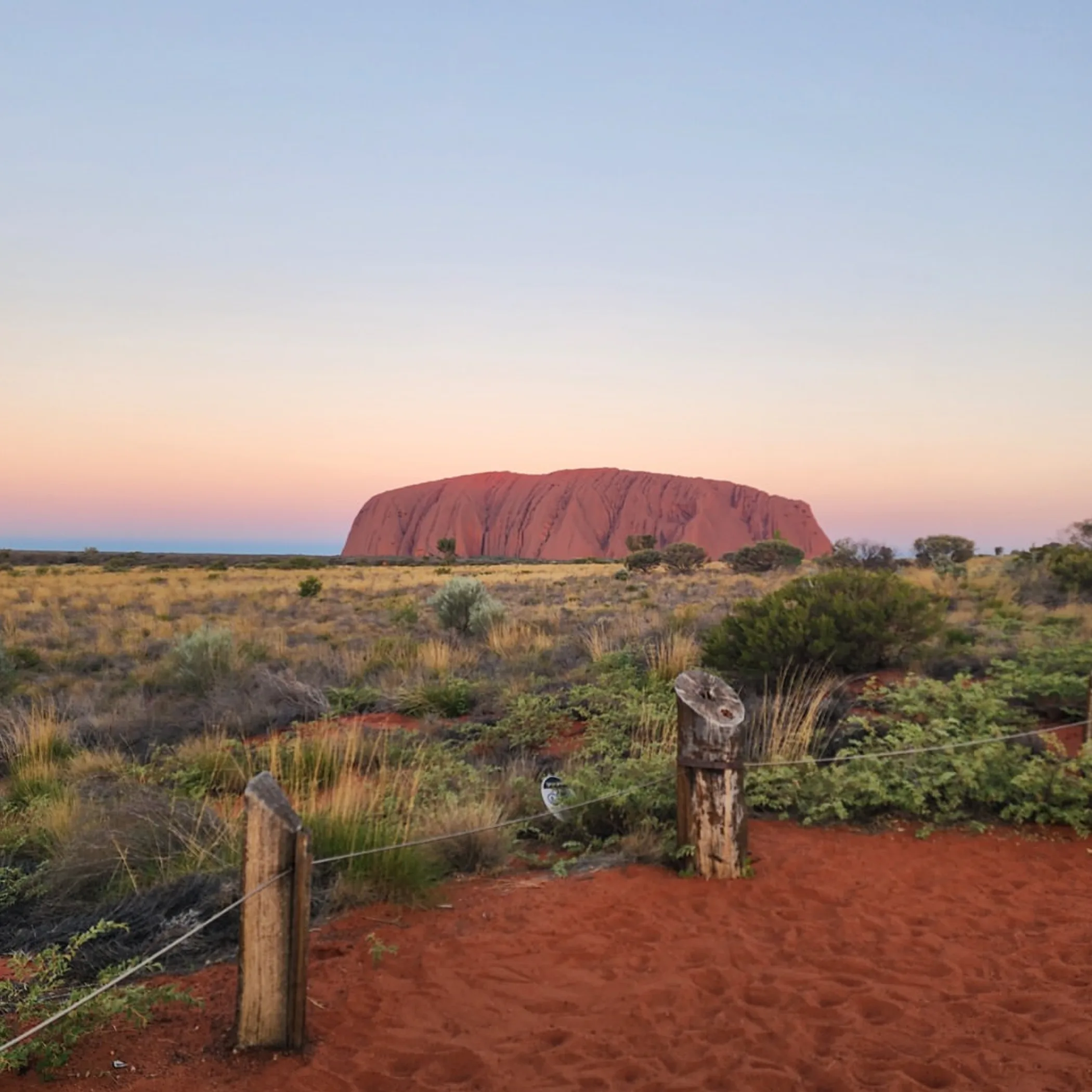
One does not speak of a single tradition when it comes to the Outback. Central Australia is home to a number of communities and language groups – Anangu, Luritja, Aranda, Pertame to name a few – all of whom have their own ties to law, family, ceremony and Country. The Arrernte people as custodians highlight the deep spiritual connection to Mparntwe and surrounding lands.
You will come across Tjukurpa, a term for the laws, relationships and foundational stories of the Anangu. A good guide puts such concepts in their proper setting and will not make of sacred knowledge some potted tale for the bus journey home.
More Than Folklore
To call it living culture is to acknowledge that it is not something put on display in a museum. It is present in the education, music, dance, art and the care of Country. An authentic tour in these parts might involve traditional medicine, bush tucker, tool demonstrations or a walk with a guide. There is also private or restricted knowledge; a guide worth his salt will let you know what is off limits for recording or repeating. Visitors can also combine glamping with cultural tours.
Getting Started in Alice Springs
Alice Springs makes sense as a base for your supplies and any vehicle checks before you put in the miles to the bush. It is where you will find the galleries and cultural centres for an Indigenous experience in the area.
The land around here has been known to the Arrernte (or Aranda) people for a long time. When making a booking, enquire of the operator whose Country you are on and in what way the community is put to benefit.
Make a Local Your First Port of Call
Before you go to Uluru or Kings Canyon, the local venues and galleries can put the region in perspective. Do not buy from an anonymous seller on the side of the road but through a reputable gallery; take in the artist statements and what the locals have to say.
There is the Larapinta Trail to appreciate Country, yet a walk is not in itself a cultural tour. You do not gain an understanding of the stories simply by putting in the steps. With a guided outback tour you get some interpretation of the tracks, waterholes and the responsibilities that certain places carry.
Stories of Kata Tjuta and Uluru
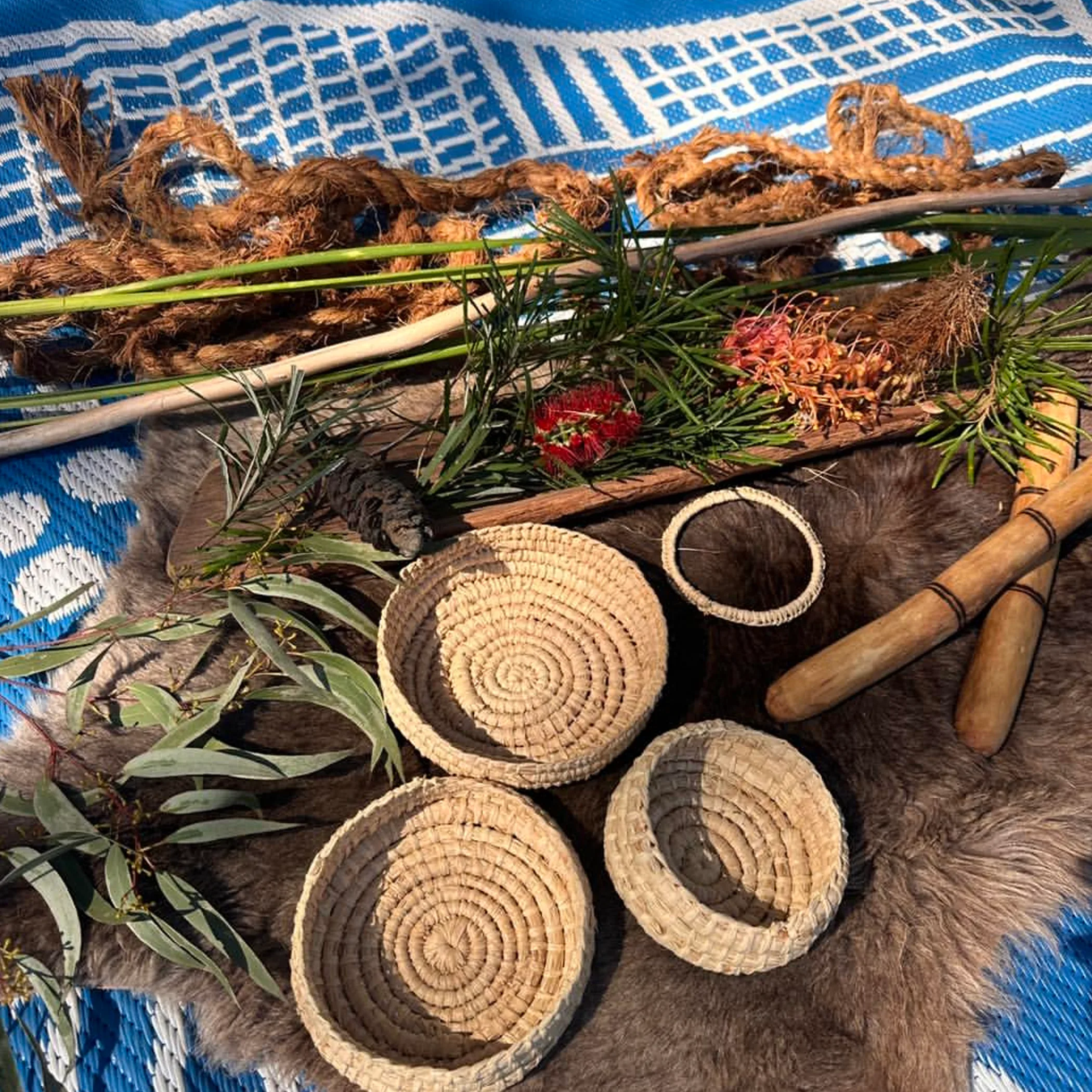
Anangu cultural knowledge is key to the land in the national park. Among the Aboriginal experiences on offer at Uluru are art activities, presentations and walks, as well as a trip to the Mutitjulu Waterhole or the Cultural Centre.
Check with Parks Australia for the official word on protocols and access for Uluru-Kata Tjuta National Park prior to your travels. One never knows when a closure or safety issue may arise with the heat or threat of fire.
A Stop at the Cultural Centre
If you are unacquainted with the area, begin there. The centre will give you an Anangu context for the rules, language and artwork you will encounter on the track.
From Yulara factor in the drive, the parking and any detours. The road distance is not the whole story. With the heat a short walk can be protracted, and longer still if there are children or older members of the party not accustomed to desert life.
Guided Walks
Put down the camera for a moment. What you picture as a quiet stroll and a snap of the scenery is not always what you get. On a walk about Uluru a guide will set out the creation stories and rock formations for you, and outline any restrictions. The area of the Mutitjulu Waterhole is instructive in showing the link between story and the flora and fauna. One has to be patient in the field with the heat and the open ground, not to mention the need to respect designated paths. Permission is required before photographing any person, artwork or off limits area; one should also refrain from climbing where it is not allowed or putting hands on rock surfaces.
Bush Tucker And Medicine
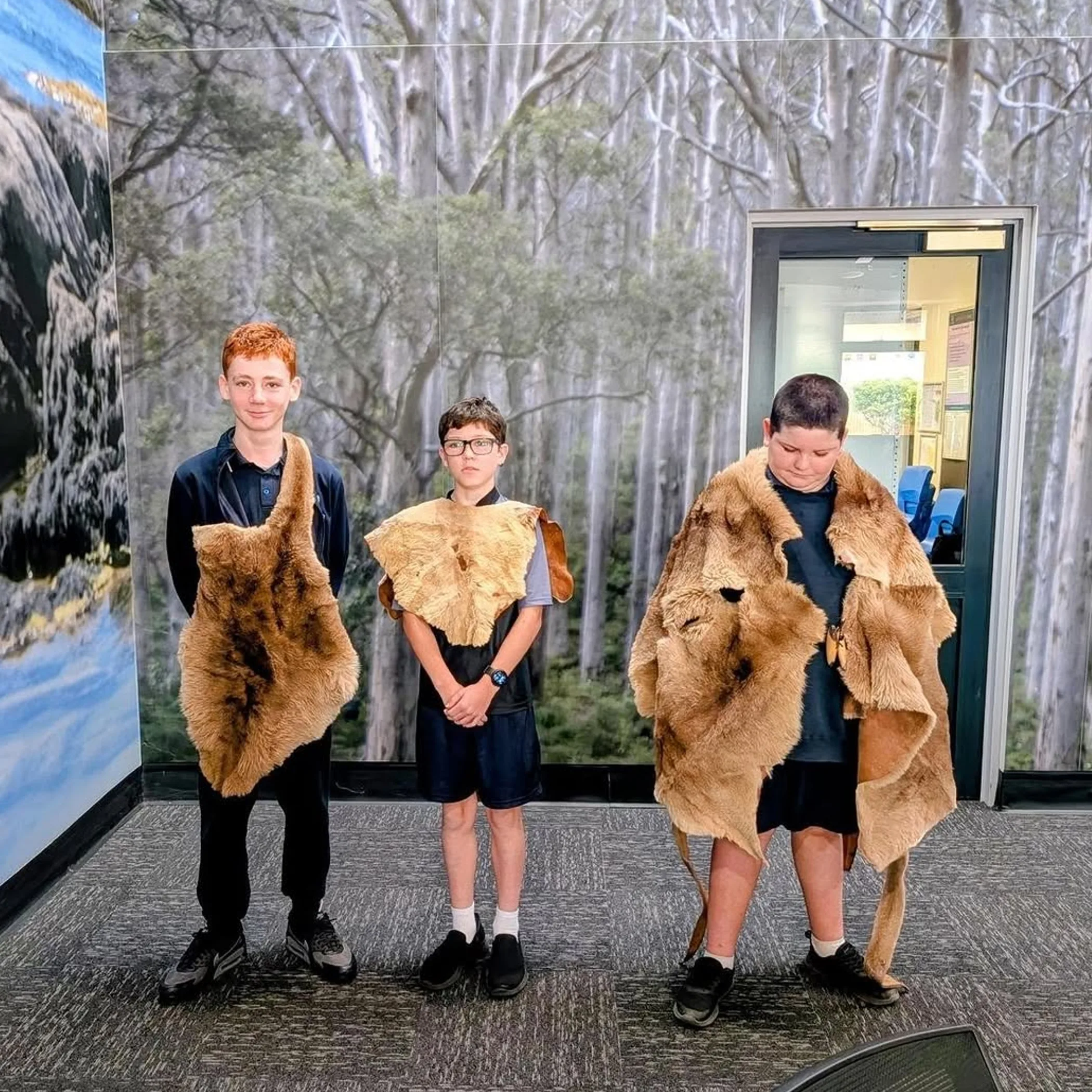
On an Aboriginal bush tucker tour the dry country is put under scrutiny for food, water and other materials. It is as much about understanding what plants are on offer and how they are to be put to use as it is to put a snack in your pocket. You will learn which parts of a plant are safe, the preparation involved and the reason for limiting the harvest.
There may be some discussion of traditional remedies and the cultural application of local flora. But do not be tempted to make your own remedy, pick at the plants or have anything to eat without proper guidance and permission. There is no equivalence between “natural” and “safe”, and a billy of unknown leaves is no medical plan to be had.
What You May Learn
From a guide you can expect instruction on nectar, roots, seeds, grasses, fruits, edible insects, animal tracks and the like, as well as seasonal water. Smoke, the direction of the wind, shade and the state of the ground all factor into desert travel and this too will be made clear.
Such knowledge is very much of its place. A given plant might be out of bounds or simply not there in another part of the country. The better Aboriginal bush tucker tours will link practicalities with Country and not put forward plants as some kind of novelty.
Rock Art And Sacred Places
The carvings and art of the Aborigines are a record of ceremony, of movement and relationships with Country, and of knowledge. In some places contemporary work that harks back to older systems will be seen along with engravings and petroglyphs.
But public interpretation is not to be made of every mark on a rock. Certain images are not to be photographed, some stories are the province of certain people and some are sacred landscapes. Any responsible guide will make the boundaries plain and want them observed.
Read The Landscape Carefully
Pay attention to what the guide indicates: a change in the rock that gives you shade, a protected hollow where a plant is found, a line of walking tracks or a water catchment. From the window of a car the Country can seem as flat as a pancake but on foot there are layers of information to be had.
When near cultural sites keep the noise to a minimum and stick to the marked way. Rubbish is to be taken with you. Leave stones, ochre, seed pods and artefacts where they are. Should something of significance come to light, inform a ranger.
Kings Canyon Cultural Encounters
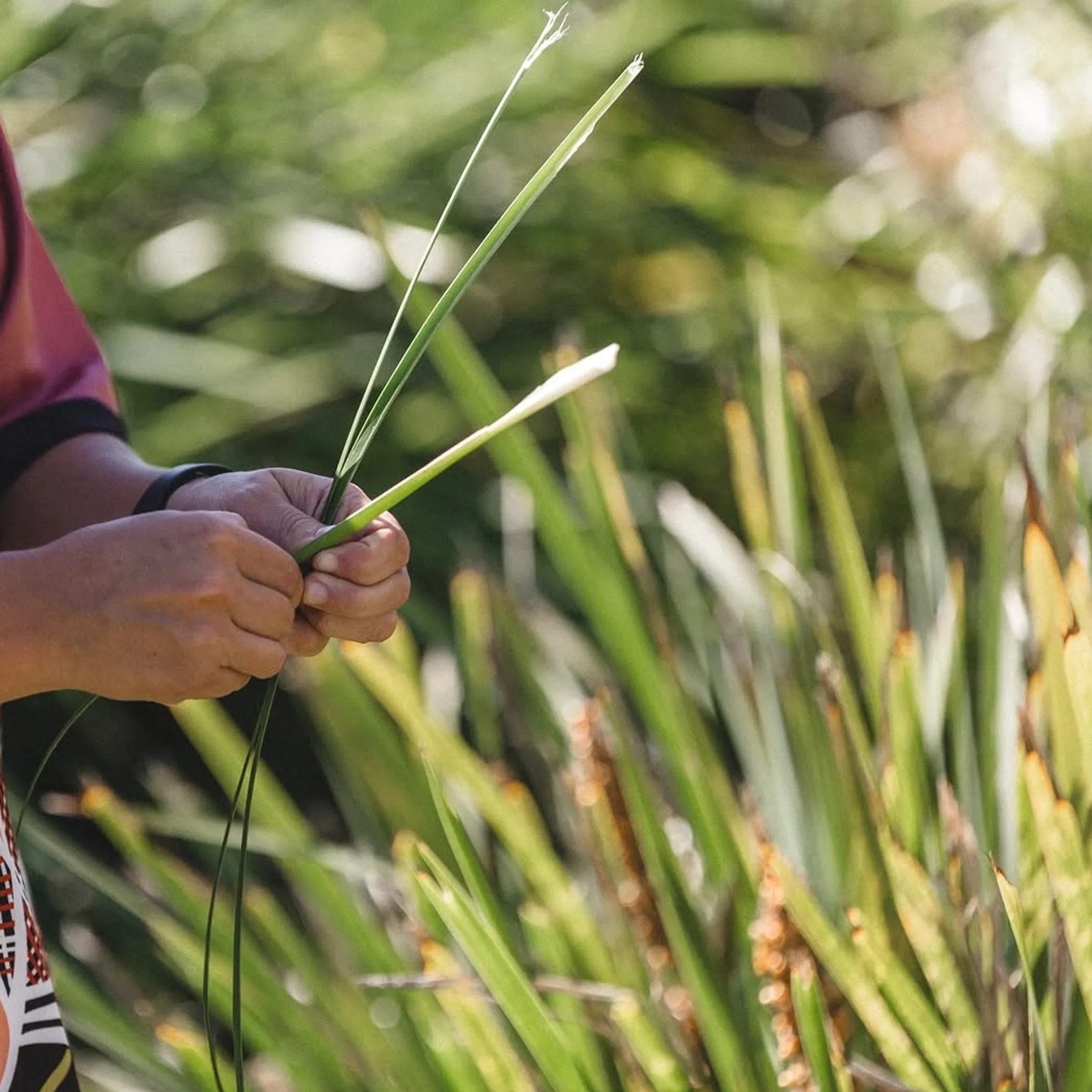
Located in Watarrka National Park, Kings Canyon has Luritja and Pertame associations. The cultural experiences here can be a mix of short walks and storytelling with an account of how the ranges were traversed and some local plant lore.
Then there is the rim walk. With its stairs and uneven terrain it is hard going in the heat and not for everyone, especially if unaccustomed to long exposed walks or when the day is at its hottest. For less strain and more culture a shorter guided version is available.
Plan Around Conditions
Do not set off from Yulara or Alice Springs without seeing to your fuel, accommodation and the roads. The distances in the outback are what they are, not figures for a brochure to be admired. A road train or a puncture will alter the day in a hurry.
Have water, good footwear and sun protection to hand and a phone with charge in it, though reception can be a thing of the past. Let someone know where you are going and heeding park warnings is advised; do not put off a demanding walk until late. Those on their own would do well to put in a call to the visitor centre or rangers on track conditions.
Comparing Tour Options
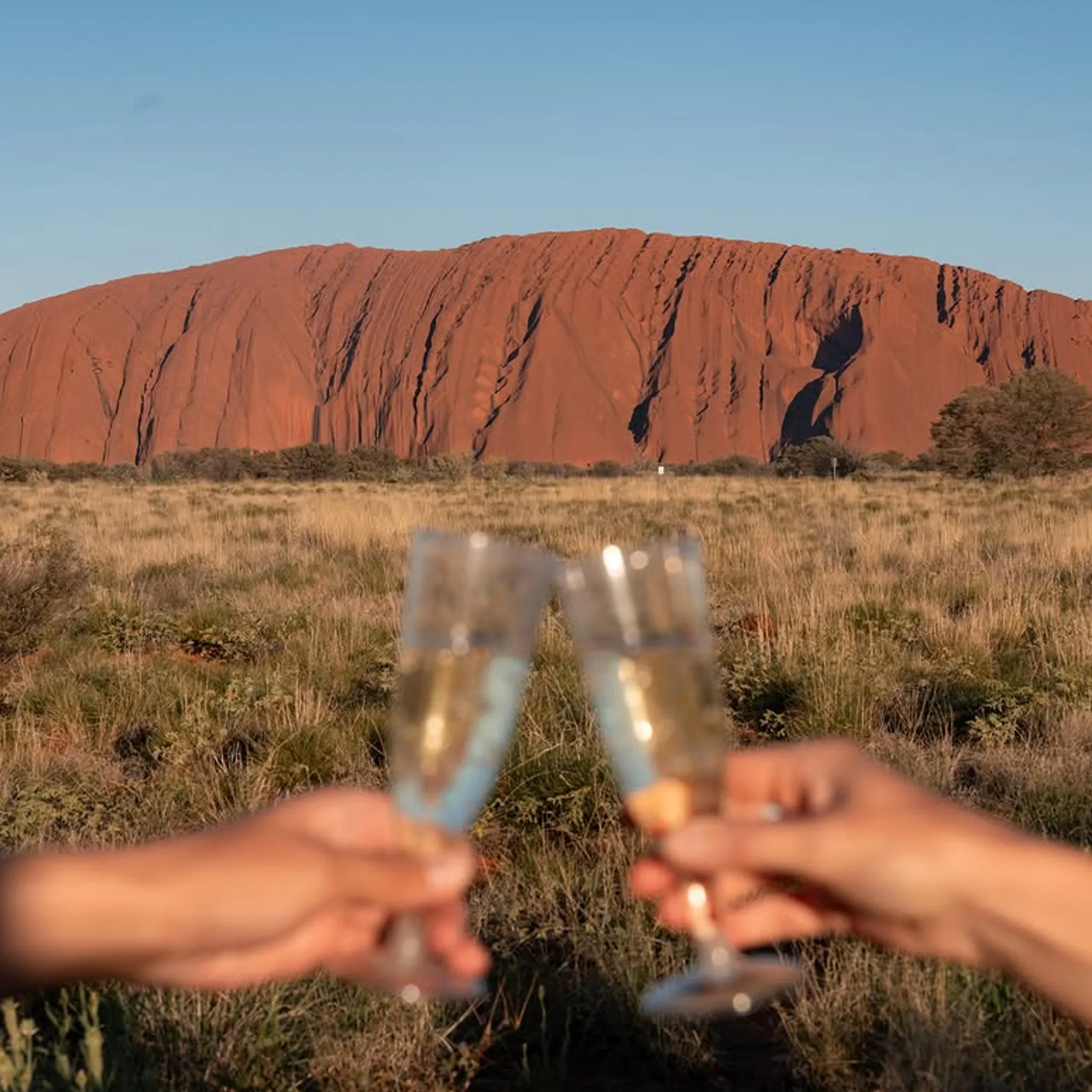
Be it time, budget, mobility or interest, these will dictate the right community-connected or Aboriginal-owned experience. A family with small children could be well served by a brief cultural presentation; those able to cope with the heat and ground and wanting a longer conversation might prefer a guided walk.
Consider the table below a planning aid and nothing more fixed. As for departure points, access and operator prices, they are subject to change so get confirmation from them before you book.
| Experience | Typical Focus | Best For | Things To Check |
|---|---|---|---|
| Alice Springs cultural visit | Perspectives of the community, language, history and art | Short stays and first-timers | Photography rules, credentials of the guide and ownership |
| Karrke Aboriginal Cultural Experience and Tours | Storytelling, artefacts, language, bush tucker and traditional medicines | Hands-on learning for those in the vicinity of Kings Canyon | What is in season, pricing and where you depart |
| Uluru guided walk | Tjukurpa, Anangu stories, the sacred and water | Yulara visitors | Protocols, how far you will be walking, the heat and entry to the park |
| Kings Canyon cultural tour | Desert travel, plants and Luritja/Pertame links | Making of a trip to Watarrka National Park | How difficult the walking is, transport back and the roads |
Choosing An Ethical Tour
A genuine experience will put the Traditional Owners of the place in context and set out the operator’s relationship with the local populace. One should be able to find unambiguous details on the guide, community ties, cultural permissions and what is covered by the fee.
Tours that make a show of Aboriginal culture or entice you to handle cultural artefacts in the name of entertainment are best avoided; so too are those touting secret knowledge. An operator of repute will field any respectful questions but not put people on the spot to put on a private cultural display.
Questions at the time of booking
Before handing over your money, enquire as to where the tour is from, if there is transport, the length of any walking and what the plan is for inclement weather. Make sure the outing is within your fitness level. Scrutinise the cancellation policy, particularly when a long drive to the outback is part of the equation.
- Who is behind the operation?
- What Traditional Owners and language groups have a connection to the site?
- Are there any limitations on photography, recordings or inquiry into ceremony?
- What do visitors need to provide in the way of food, water and gear for the walk?
- Does the operator have the necessary permits and access?
Putting together an itinerary
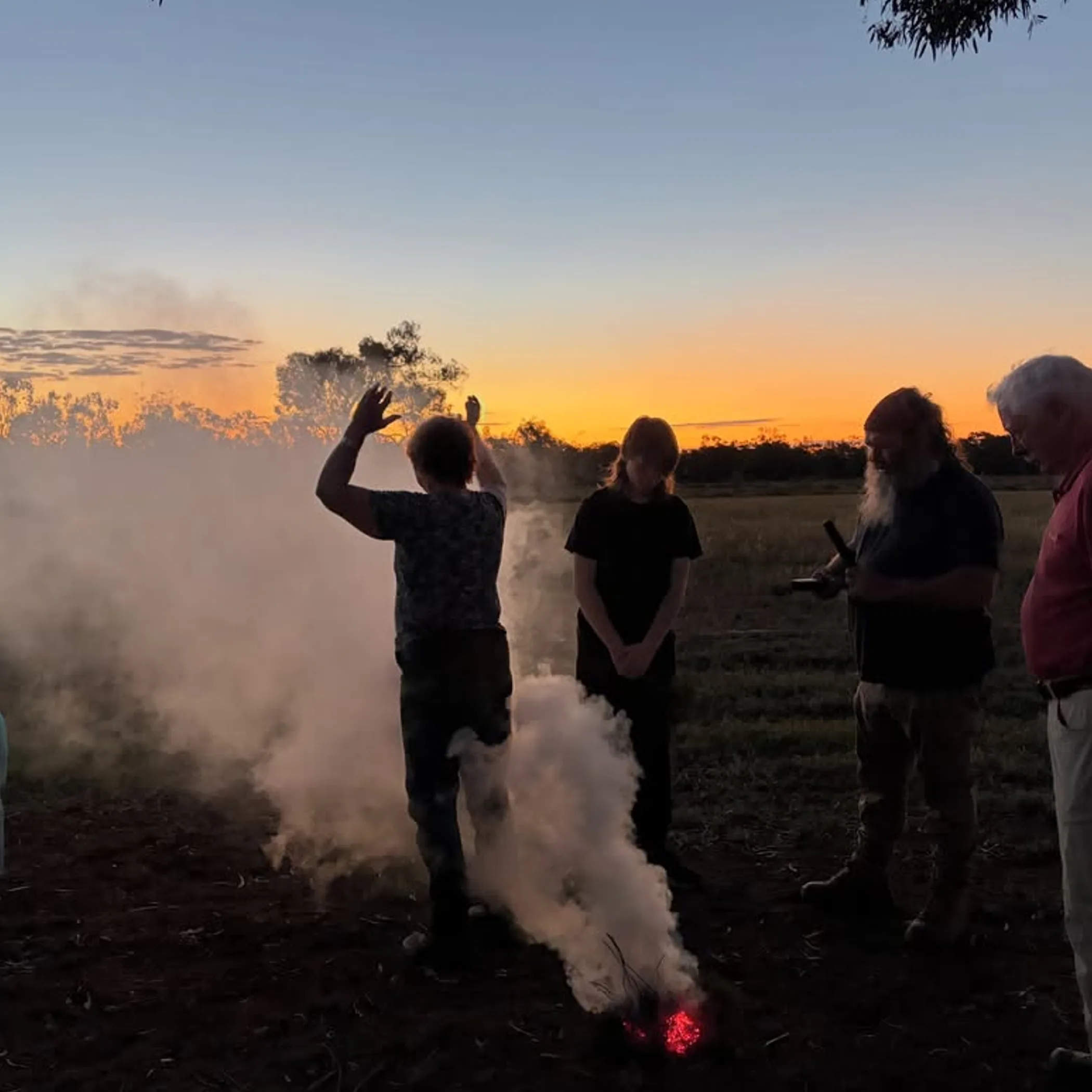
There is no point in making a blur of it from Alice Springs to Uluru and then Kings Canyon on a diet of fuel stops; a well planned itinerary lets the culture have some space. Put aside a full day or more for each major base if you can. Yulara is the place for Anangu experiences and the national park, Alice Springs for its galleries and cultural side, and near Watarrka National Park one can get a Luritja or Pertame view of things at Kings Canyon.
One day only
Make Yulara your base and see the Cultural Centre and put in a good guided walk before a properly timed visit to Uluru or Kata Tjuta. There is no need to be at every lookout. You will come away with more from a single well run session than four hasty ones and a sandwich by the car. Should bush tucker and traditional medicines be of interest, the Karrke Aboriginal Cultural Experience at Kings Canyon is the way to go. Make the rest of the day revolve around the tour, not the other way round.
Seasons
You will find the cooler months more amenable for a walk but they book up sooner. In the heat of the day during summer one has to cut back on exertion and be on top of heat warnings; storms and bushfire activity can also mean closed tracks. The wet and dry seasons in the Northern Territory have a different effect on roads and humidity than in the south. Cyclones are a Top End concern from November through April but anyone with a broader route should be checking Bureau of Meteorology and park notices.
Comfort and culture
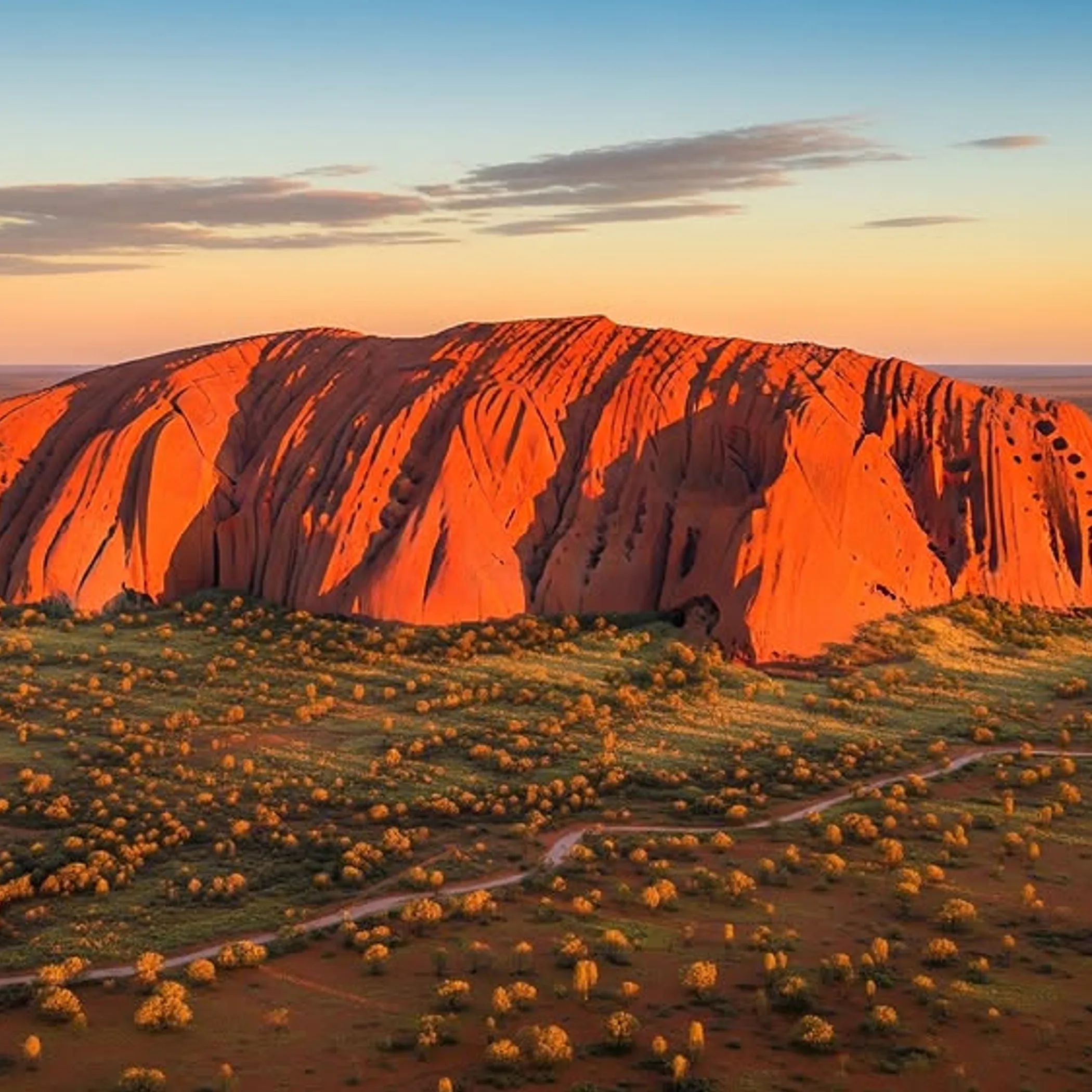
Glamping and a cultural tour can be had in conjunction provided the accommodation is not too far removed and the itinerary is not stretched. A comfortable bed makes for an easier start in the morning though it does not obviate the need for sun protection and a sensible driving plan. Pick your lodging in Alice Springs, Yulara or Kings Canyon to suit the tours you have booked and confirm what is on offer: linen, power, meals, transfers, luggage restrictions and so on. A tent with none of the shade, ventilation or a dunny that works is just camping with a better hat.
Some FAQs
What constitutes the culture of the Outback?
It is not a monolith. The Outback is home to a number of communities and languages. In Central Australia the Anangu, Luritja, Aranda and Pertame all have their own way of Country, law and art.
Where to go for Aboriginal culture?
It is subjective. For Anangu there is Uluru, for a range of artistic and local introductions Alice Springs, and at Kings Canyon operators will put you in touch with Luritja and Pertame.
What is on offer?
From storytelling and music to bush tucker and art, and the services of Aboriginal-owned businesses. It is a matter of location, the season and the operator’s schedule.
How to be respectful?
Do not take anything from Country, remain on the track and ask permission for a photograph. Book with an operator who is of the community or connected to it and approach it as a chance to learn, not put on a show for the visitor.
Is it for beginners?
For the most part yes, including families and those not keen on a hard walk. But a hot-weather or remote tour may not be to everyone’s taste. Put some questions to the operator on terrain and facilities first.
Respect and patience
The measure of a good Aboriginal cultural experience in Central Australia is not the number of sites you can put on a list. It is in having the time to let the place speak to you and to understand whose Country it is.
Get your bookings and water and permits in order while still on the bitumen and then take it easy. The Red Centre has a way of rewarding the prepared traveller with a story one did not anticipate.
