There is no better way to be sure of your season than to know what it affords you
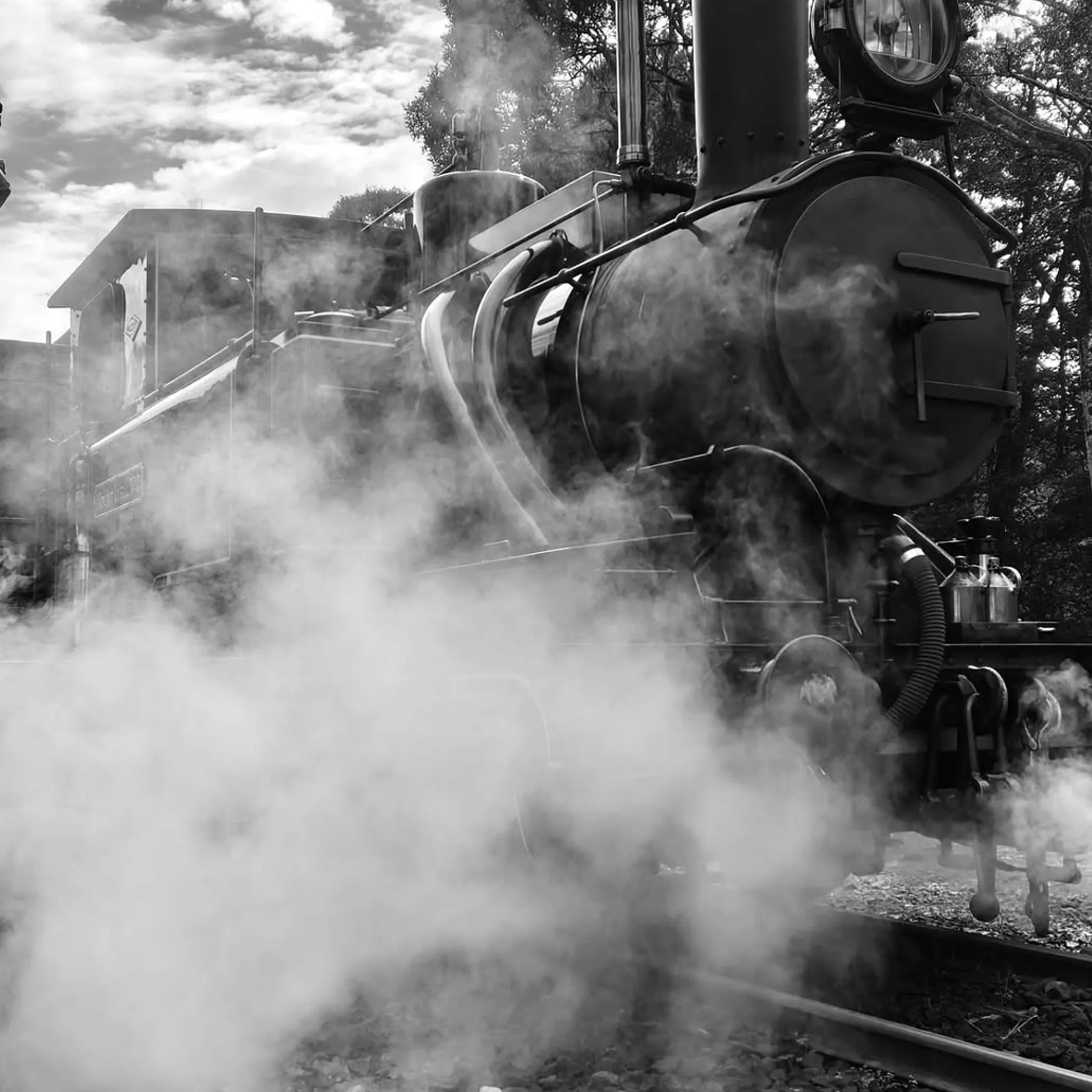
For most, autumn and spring are the answer to good heritage train travel in Australia; one can expect agreeable temperatures, plenty of daylight and some of the region’s more interesting scenery. Then there is winter for those in pursuit of crisp mountain air and a steam train or two, and summer which is ideal for families after a long day out on an easy excursion.
I am Richard Redfern. One learns from putting together enough itineraries over the years that the finest journey is seldom the one you would see in a glossy brochure. It is the one that is in keeping with the timetable and the weather and your own constitution, including how much standing next to a hot locomotive while a mozzie has its way with you you can put up with, not to mention school holidays and walking ability.
From the coastal railways of Tasmania and South Australia to the mountain lines of Victoria and New South Wales, the heritage rail network in this country is extensive. But because conditions differ so markedly from state to state, the right time for a ride is dictated by the route, not some national calendar. For broader context, see American heritage trains in valleys.
Comfort in Autumn
For many of Australia’s heritage railways autumn is the sensible option. The heat of summer is a thing of the past and the days tend to be mild; you will not be getting off at the station as if you have been left in a ute tray but can take in the open country.
Mild Days and Foliage
The forested paths of the West Coast Wilderness Railway in Tasmania or Puffing Billy in Victoria put on a fine show of foliage in autumn. Mornings are cool enough to give the steam locomotives their due atmosphere and the afternoons are still pleasant for a walk about the old stations and cafés. Red and gold foliage enhances the scenic beauty, making autumn the perfect season for heritage train journeys in these regions.
Photographers will find the lower sun gives texture to a railway cutting or timber bridge. Do not be surprised if the colour comes and goes a week or two early or late; a dry spell or unseasonal cold can do that.
Recommended for Autumn
A short hop from Melbourne on Puffing Billy makes for a good autumn outing, provided you have checked the operating patterns and carriage access. Put aside some time for the run to Belgrave on a weekend and do not count on finding a parking spot with your name on it.
Or for something altogether different, the West Coast Wilderness Railway near Strahan. You will want a waterproof jacket and to look after your camera as the rainforest is damp; the rain is part of the experience here. It is for the traveller with an appreciation of history and the bush who does not mind a leisurely pace.
Steam and Clarity in Winter
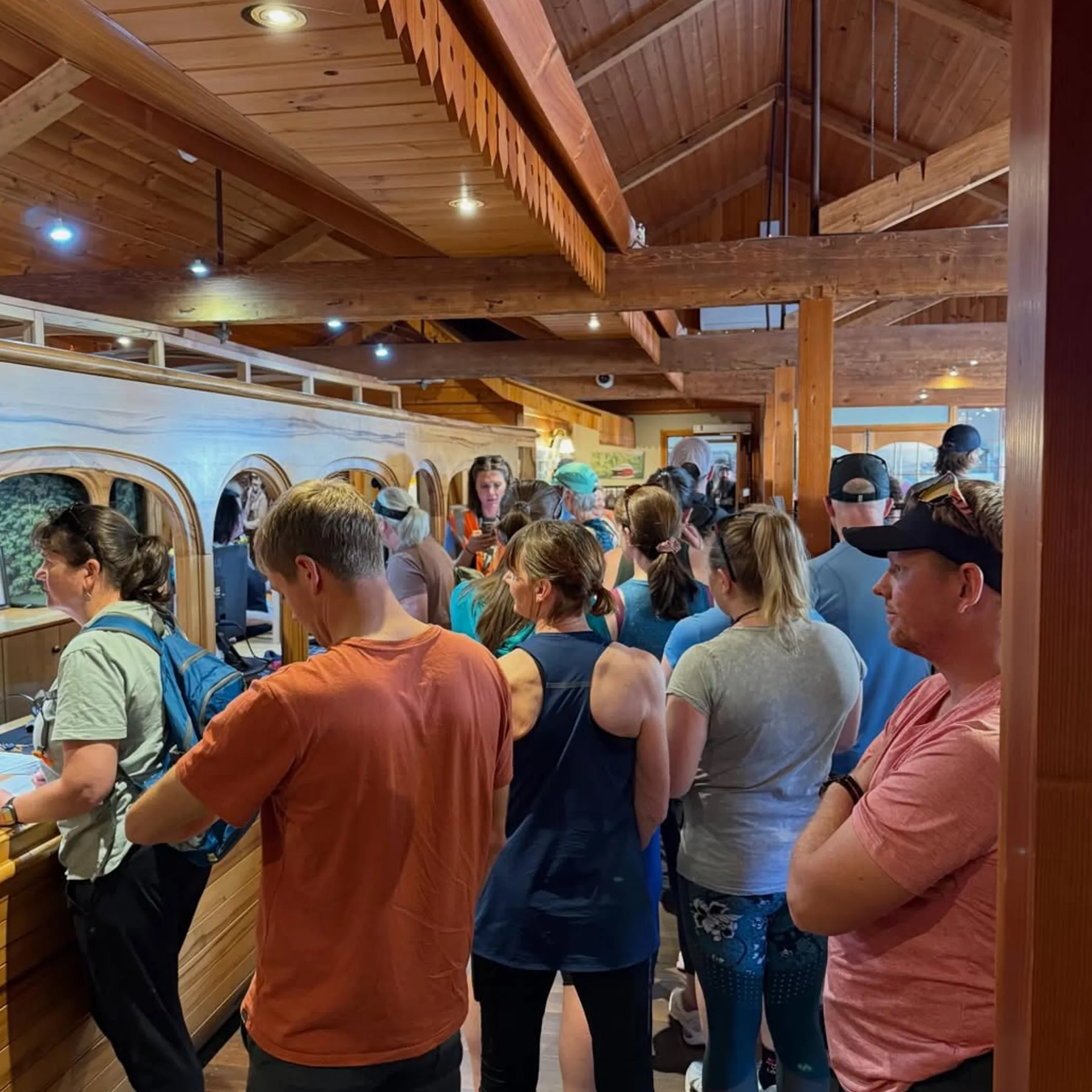
If you prefer the character of a working steam service and views that are unclouded by distance, winter is when to go. An early start may not be so welcome until the coffee is poured and the frost and fog have done their work.
What the Cold Offers
You get a sense of authenticity on a winter steam train, the warmth and noise of the engine being all the more apparent. Mountain routes are at their clearest after a cold front though cloud and rain are never far away. Dress in layers, a thick jumper is not going to cut it on an exposed platform where no one is concerned with your sartorial choices.
It is also quieter come winter, away from the public and school holidays, and you will have the museum and café to yourself. Mind you, with some services only running certain weekends you have to be more diligent with the timetable.
Routes for the Winter
The Zig Zag in New South Wales is well worth the chill when it is in operation, but the mountain setting means the weather is something to plan for. Do not think a ticket entitles you to every connecting attraction being open and factor in wet roads.
For an interest in the machinery and preservation side of things, a stop at the Valley Heights Locomotive Depot Heritage Museum is in order. It is not a full-day scenic holiday but the displays and technical history are rewarding.
And then there is The Ghan. Not a heritage railway in the strictest museum sense but a long-distance passenger train that will see you through some of the inland in a manner quite unlike the rest. A major touring train is not to be mistaken for a heritage operation put on by volunteers. The two are worlds apart in terms of the service one receives on board, as well as the pricing and logistics.
Spring Reveals Country Colour
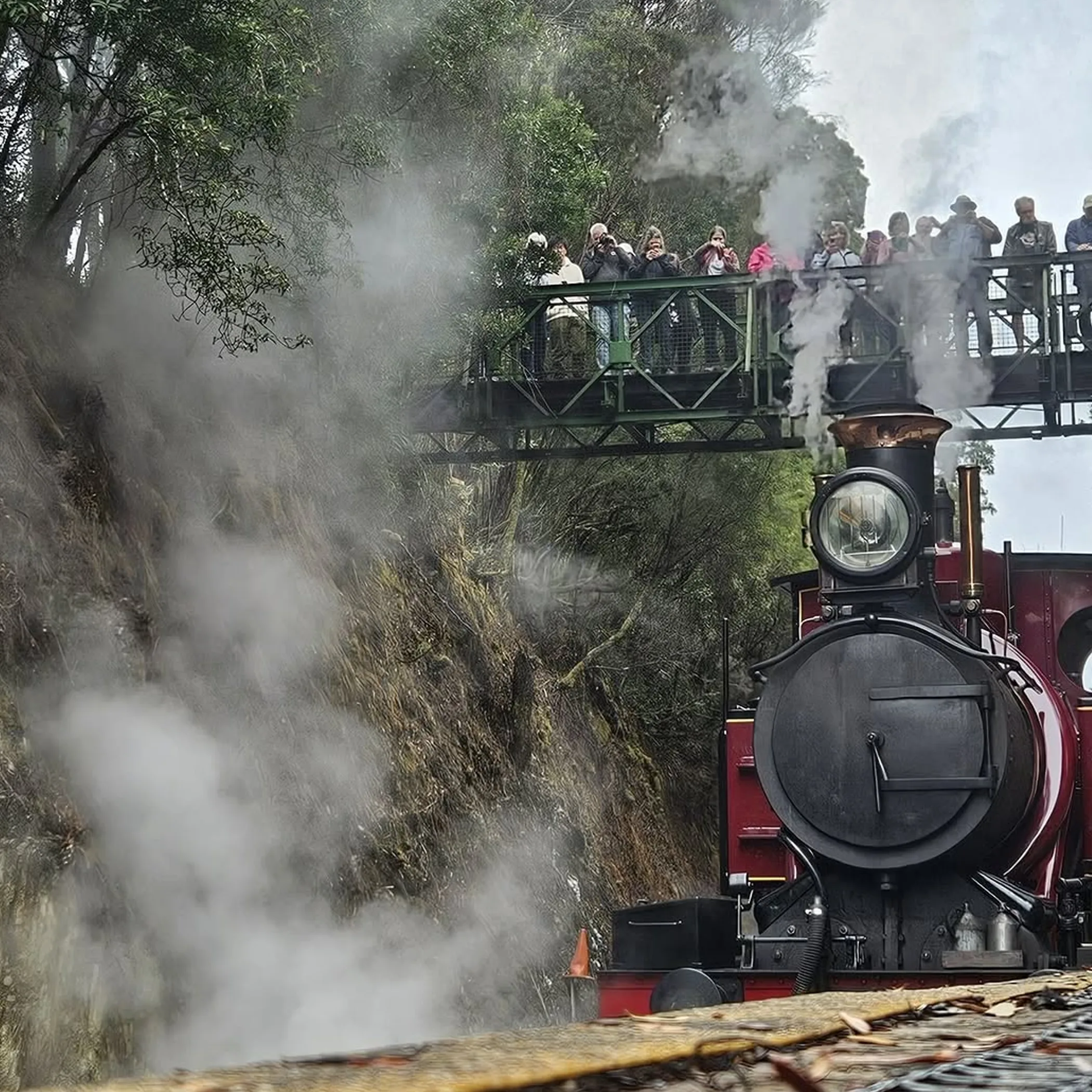
For the traveller in search of green paddocks and wildflowers, with longer days but none of summer’s oppressive heat, spring is the time to go. Then again, while rain will put a fresh look on the countryside it can play havoc with your roads, connections and any outdoor viewing.
Flowers And Fresh Landscapes
One will find spring rail trips to good advantage in Victoria, South Australia and some of Western Australia. In the Victor Harbor area the SteamRanger Heritage Railway is able to put coastal views and regional fare alongside the train ride; for a family or day-tripper from Geelong the Bellarine Railway is a more manageable proposition.
Then there is the matter of changeable weather. What was a fine morning can be wet and windy come lunchtime, in the vicinity of the coast at any rate. Have sensible shoes and a light waterproof to hand, along with sun protection. Sandals are all very well in a café but they do not make for easy going on a gravel platform.
Traps in Spring Planning
It is an error to think that service is uniform from one spring weekend to the next. Some heritage railways will have their steam locomotives out on certain dates and diesel railcars on others, or nothing at all for public use when maintenance is under way. A generic tourism listing is no substitute for the real timetable.
With weddings, school excursions and festivals of all kinds in full swing, peak date bookings are important, for family seating or a dining experience in an enclosed carriage. Should the plan hinge on a particular departure, put in for the train before making accommodation arrangements that cannot be refunded.
Summer Suits Longer Days
The extra daylight of a summer rail journey is welcome for families and makes for easier sightseeing, if one wants to mix a heritage railway with a market, beach or a meal in the region. But the season has its drawbacks in the form of crowds, bushfire danger and the heat, so flexibility is called for.
Family-Friendly Options in Summer
In Queensland the Mary Valley Rattler is well suited to a family outing as part of a wider trip to the Sunshine Coast hinterland. Warmth and strong sun are to be expected, as are the hordes of school holidays. Make sure you have water and book in advance; see if there is any shade at the station to wait in.
For a summer day the Bellarine Railway is practical enough. Its location lends itself to being paired with a stop at the coast or for some food, though traffic in holiday haunts can eat up more time than the train ride. It is best to leave any Adelaide notion of “just ducking over there” behind you, the roads have their own schedule during the holidays.
Heat And Fire
Bushfire closures, smoke and total fire bans are among the things that can scupper a summer service, as can extreme temperatures. The day prior to leaving, consult the operator for any updates and the Bureau of Meteorology for its official Australian climate and weather information and warnings.
Wear a hat and apply sunscreen, and make sure to drink. On an exposed platform or around a steam locomotive it will seem hotter than what the forecast has to say. And do not put children or pets in a parked car to run in for tickets or a sandwich.
Compare By State
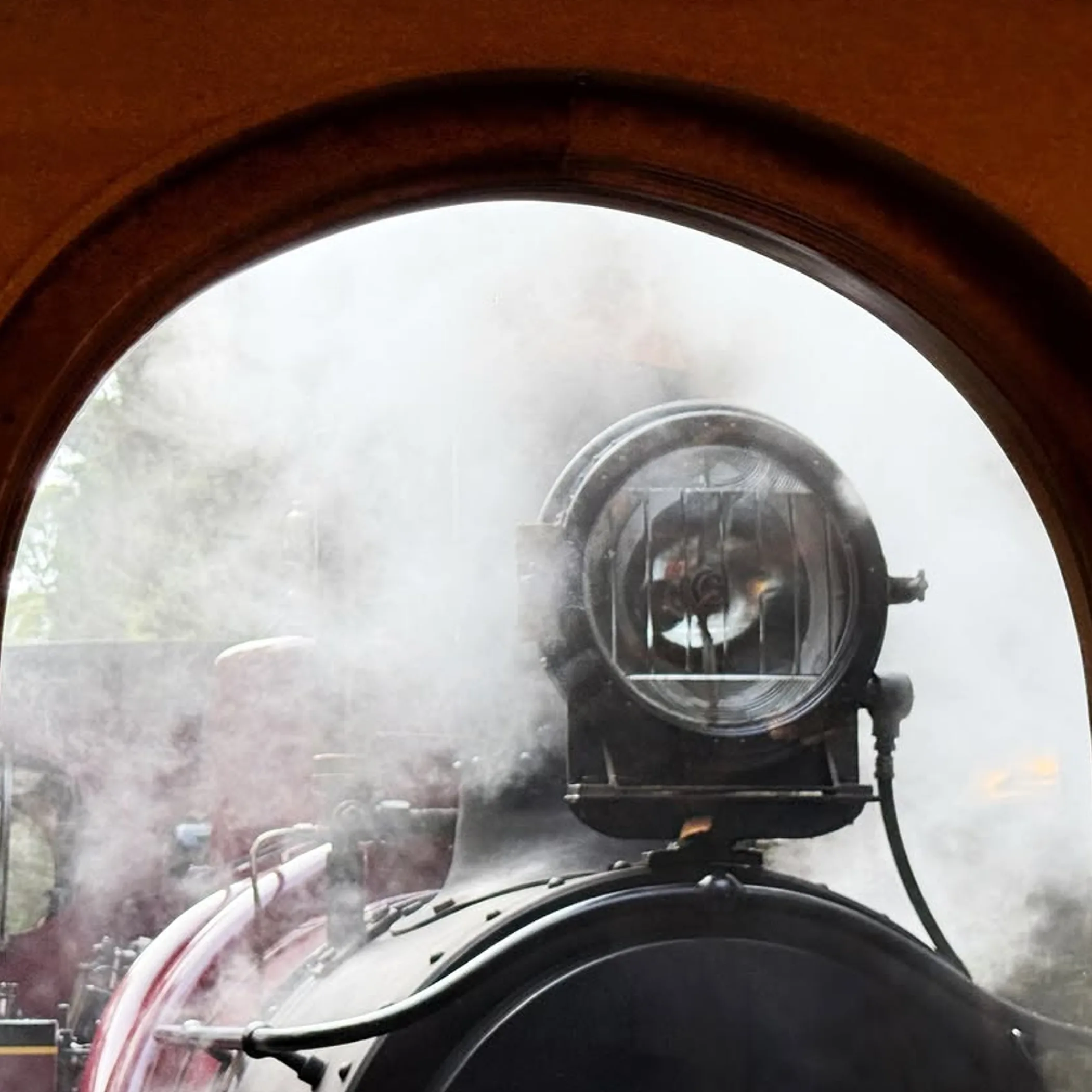
There is more to be said for planning on a state by state basis than picking a season in isolation. Inland routes can be severe in winter or summer, Tasmania cool and damp, Queensland hot and humid. The following table is a practical place to begin, though no guarantee of operating dates.
| Route Or Attraction | Strongest Season | Experience | Planning Note |
|---|---|---|---|
| Puffing Billy Railway, Victoria | Autumn or spring | Short trips for the family, forest and old stations | Weekends are busy, so check the timetable and carriage access |
| SteamRanger Heritage Railway, South Australia | Spring or autumn | Hills and coastal scenery for a day trip | Factor in time for the drive and return connections |
| West Coast Wilderness Railway, Tasmania | Autumn or spring | Rugged West Coast and mining history in the rainforest | Weather is apt to turn, so pack a waterproof |
| Zig Zag Railway, New South Wales | Winter or spring | Heritage engineering and the mountain atmosphere | Road conditions and service should be confirmed first |
| Mary Valley Rattler, Queensland | Winter or spring | Relaxed travel in the hinterland | Demand is up with the school holidays and summer heat |
| Bellarine Railway, Victoria | Summer or spring | A family affair close to the coast | Timing of the day can be at the mercy of holiday traffic |
| Valley Heights Locomotive Depot Heritage Museum, New South Wales | Winter or autumn | Locomotives and restoration work | More for the enthusiast or museum goer than for scenic touring |
In terms of a planning score, autumn and spring are 5/5 for comfort, winter is 4/5 if one is after the steam and mountain views, while summer gets 3/5 from those sensitive to the heat. Take these as figures for practical comparison rather than any kind of official statistic. Of course the season you would want to make your trip in will be different should you have toddlers in tow, require step-free access or find wet-weather driving unappealing.
Plan A Smoother Rail Day
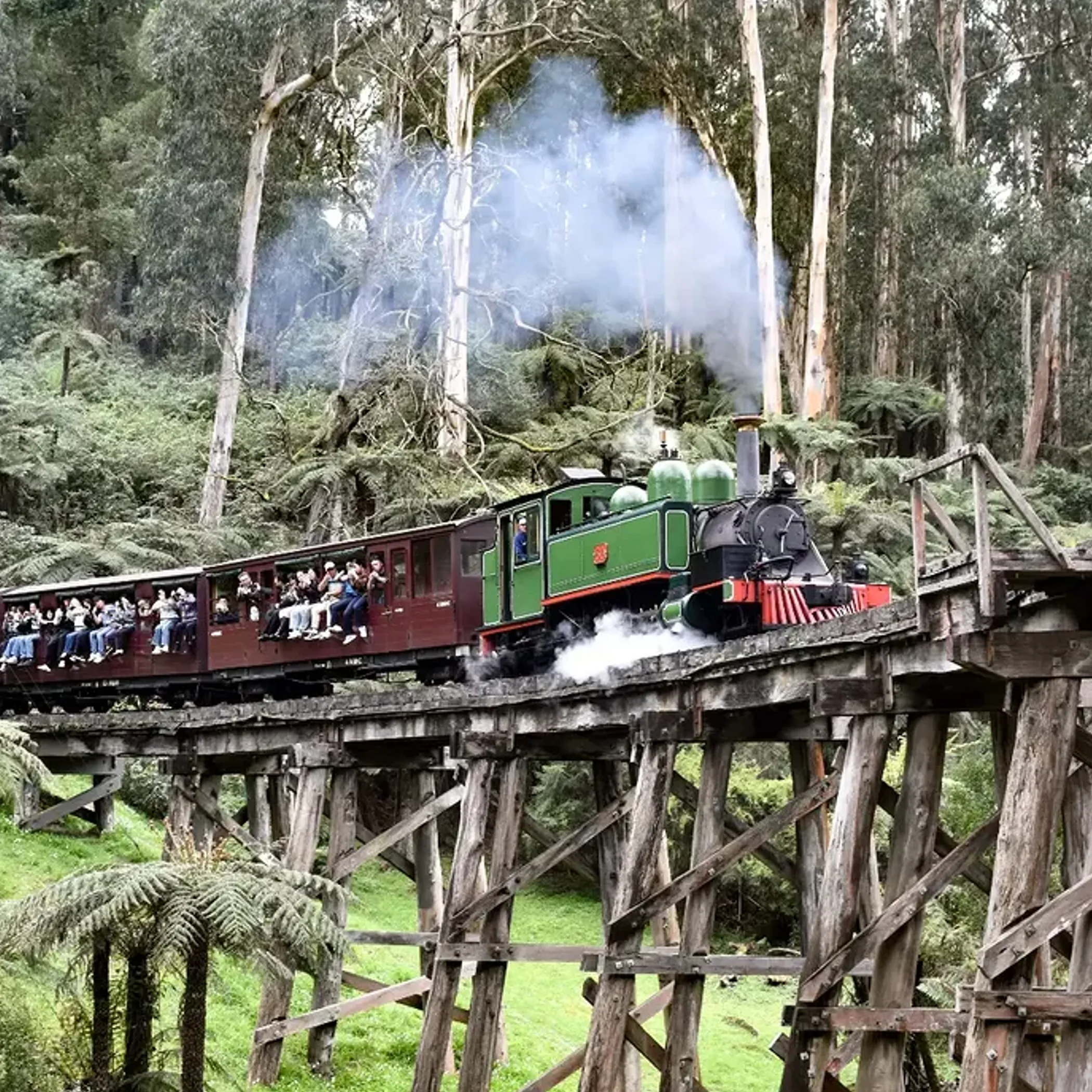
Once you put in the time for parking, transfers, meals and being at the station, a heritage train is a half-day or full-day proposition. The run itself might be two hours but you must leave room in the day for queues, a few photographs and the odd individual who has taken up position on the platform to peruse a timetable.
Be Realistic With Your Time
Pick a railway and an activity in its vicinity for a day out. You can put in a morning train, a winery lunch, a distant museum and a sunset lookout if you like to go about things like a reality show contestant with no budget, but do not try to pack it all in.
If tickets have to be collected or there is little parking, be there 30 to 45 minutes prior to departure. In regional parts where the roads are not well known, the weather is against you or there is holiday traffic, put in a 60 minute driving contingency. Puffing Billy Railway is serviceable by public transport provided you look at the return route in full and not just the way out.
Make Allowances For Extras
An operator’s booking page will give the precise cost, which is a function of the event, carriage and railway. But for planning purposes set aside funds for accommodation, entry fees, parking, meals and transport. A local excursion may amount to no more than fuel, a ticket and some lunch; a premium dining option is another matter altogether.
School and public holidays see the accommodation close to the regional railways book up. Travelling from interstate? Put down for a refundable room and have an alternative activity in reserve. It is a good safeguard in case the plan is scuppered by a change of service or the elements.
Who Is It For
The history buff, the photographer, the railway enthusiast, a family or anyone wanting a more leisurely pace will find a heritage train holiday to their liking. It is a way to do some regional tourism without having to put in the kilometres behind the wheel.
Then again it is not for the type that wants modern high-speed travel, is fussy about confined seating or requires frequent departures. There are stations with uneven ground, steps and not much shelter. Should you need an accessible toilet, mobility help or to be in a certain carriage, get in touch with the operator ahead of time.
- Put water, a waterproof jacket, sun protection and layers in the bag.
- Book in advance for holiday weekends, steam specials and dining.
- See what the operator has in the way of timetables and services.
- Verify your return journey and parking options.
- Expect to do some walking and wait outside on an uneven platform.
American Heritage Trains In Valleys
One might be drawn to American heritage trains in the valleys when putting Australian routes up against overseas pictures, but Australia has a character of its own, from the eucalyptus forest and dry inland ranges to coastal cliffs and fern gullies, and stations of a very different provenance.
When one is making a decision on a trip, the distinction is important. With an Australian heritage railway you will find volunteer preservation efforts, old rolling stock and regional points of interest on some short scenic runs. To get the most of it, know what the railway has to put on offer; do not go in with the notion that any given route is going to be a protracted mountain journey.
Common Train Questions
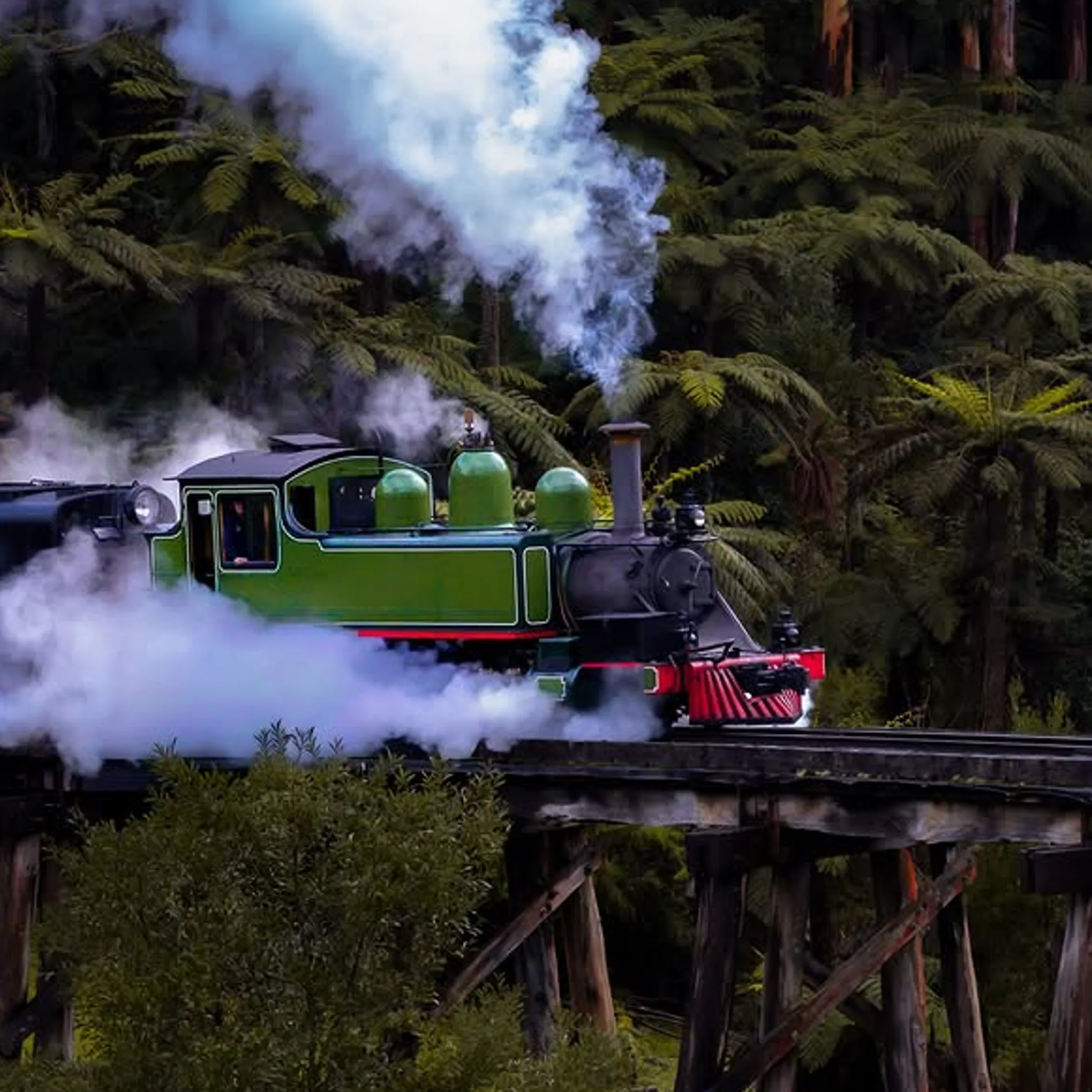
Travellers pitting Australia’s seasonal train travel against each other have these questions time and again. The following are brief answers to the sort of practicalities that can be a let down.
Puffing Billy: When is the best time?
For Puffing Billy Railway the mild weather and forest views make autumn or spring preferable. One could make a case for the atmosphere of winter, or the extended daylight of summer though there is more heat then and the holiday dates are busy. A word to the wise is to look over the timetable and booking terms first.
What heritage trains run in the winter?
It is a matter of the operator and the year. You will see Puffing Billy, West Coast Wilderness, Zig Zag, SteamRanger Heritage and Mary Valley Rattler put forward as part of a winter itinerary but the operating dates are not consistent. Be sure of the service before you book your accommodation or make arrangements to come from interstate.
Steam trains in Australia?
On certain dates the likes of Puffing Billy, SteamRanger or West Coast Wilderness will have them. Do not overlook that some are done in diesel railcars, so if a steam locomotive is of consequence, verify the type of carriage being advertised.
The most scenic option?
You will not find an objective answer. Then there is the forest and easy access of Puffing Billy, the rainforest and mining past of the West Coast Wilderness, or the coastal and regional terrain of the SteamRanger. It is a question of whether mountains, coast or countryside appeal to you.
Booking in advance
Put in a reservation two to eight weeks out for the special steam events or when school and public holidays fall on a weekend. Carriages with limited room and dining will go faster. There is more leeway with a quiet midweek service but do not take it for granted a railway is in operation every day.
Is it all right for children?
Shorter trips where there are facilities and food tend to be fine. See how the carriages are for access and safety on the platform and if they can sit at ease. Youngsters can be taken aback by the noise and smoke and waiting around, so set expectations ahead of time.
Making the season suit you
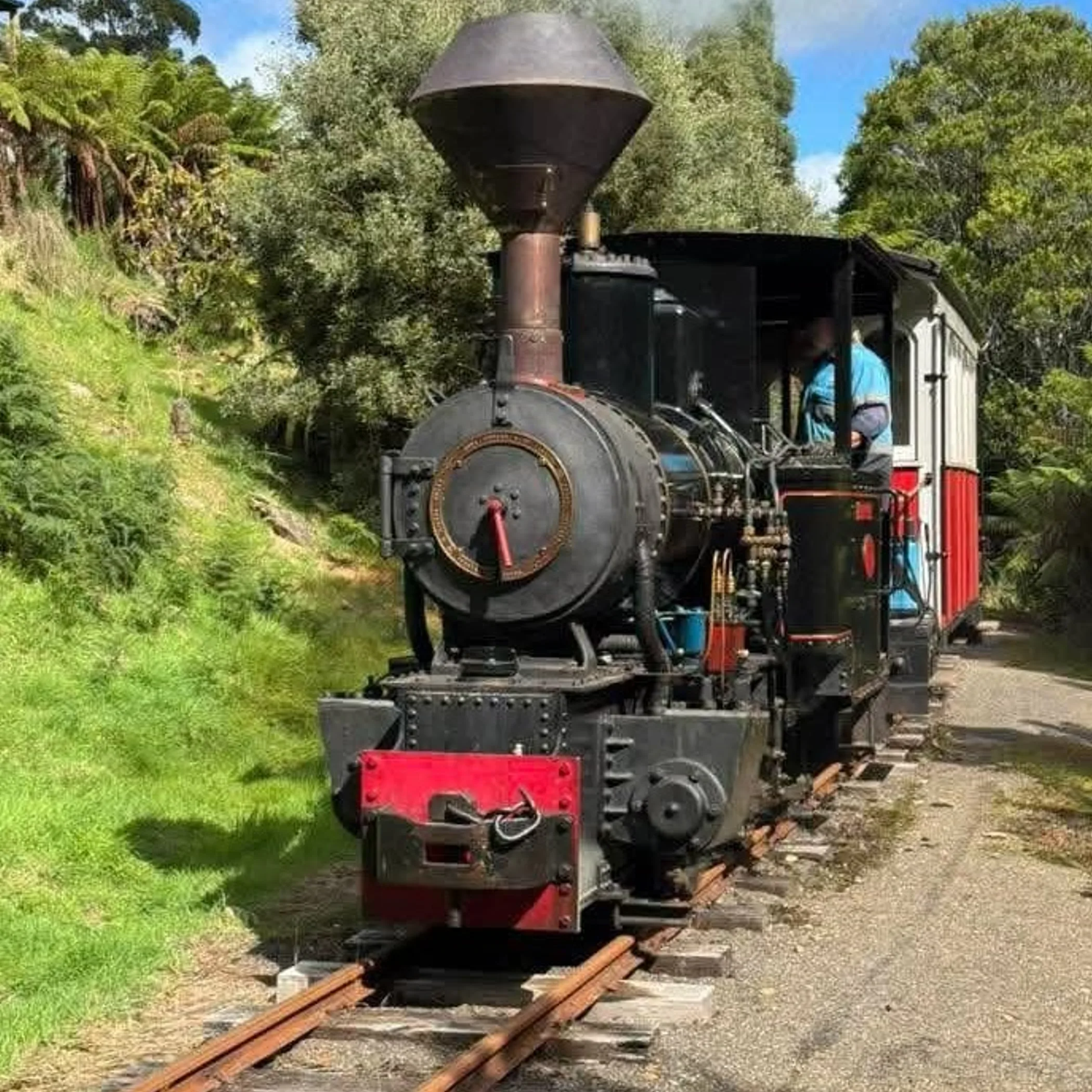
Your party and the route will dictate the ideal time for some rail travel. Summer for the long days and accommodating a family, spring for the wildflowers, winter for clear air and steam, or autumn for the comfort and the leaves.
I would put in for an autumn or spring outing on a first heritage ride. They allow for good weather and time to see the sights without rush and enjoy some regional fare. Have a sensible wardrobe and plan your return, but also let the day proceed at the pace of the railway. It is not as quick as flying but you will be better entertained for it.
