With the right approach to safety in the outback, a fine drive can be a properly run affair instead of an occasion for a costly bush rescue. In the remoteness of WA one has to put in the preparation; the distances are great, you will not find consistent mobile signal, the weather is apt to shut down a road in short order and it could be hundreds of kilometres to the next pump.
I am Richard Redfern. Over the years I have put together my share of no-nonsense road trips where the little things count, from double checking the route and having the correct maps to making time for a flat tyre that was not in the plan. There is a basic rule: let someone know your destination, take on more fuel and water than you think necessary and do not be under the impression a sealed road is an easy one.
The Case for Preparation in Remote WA
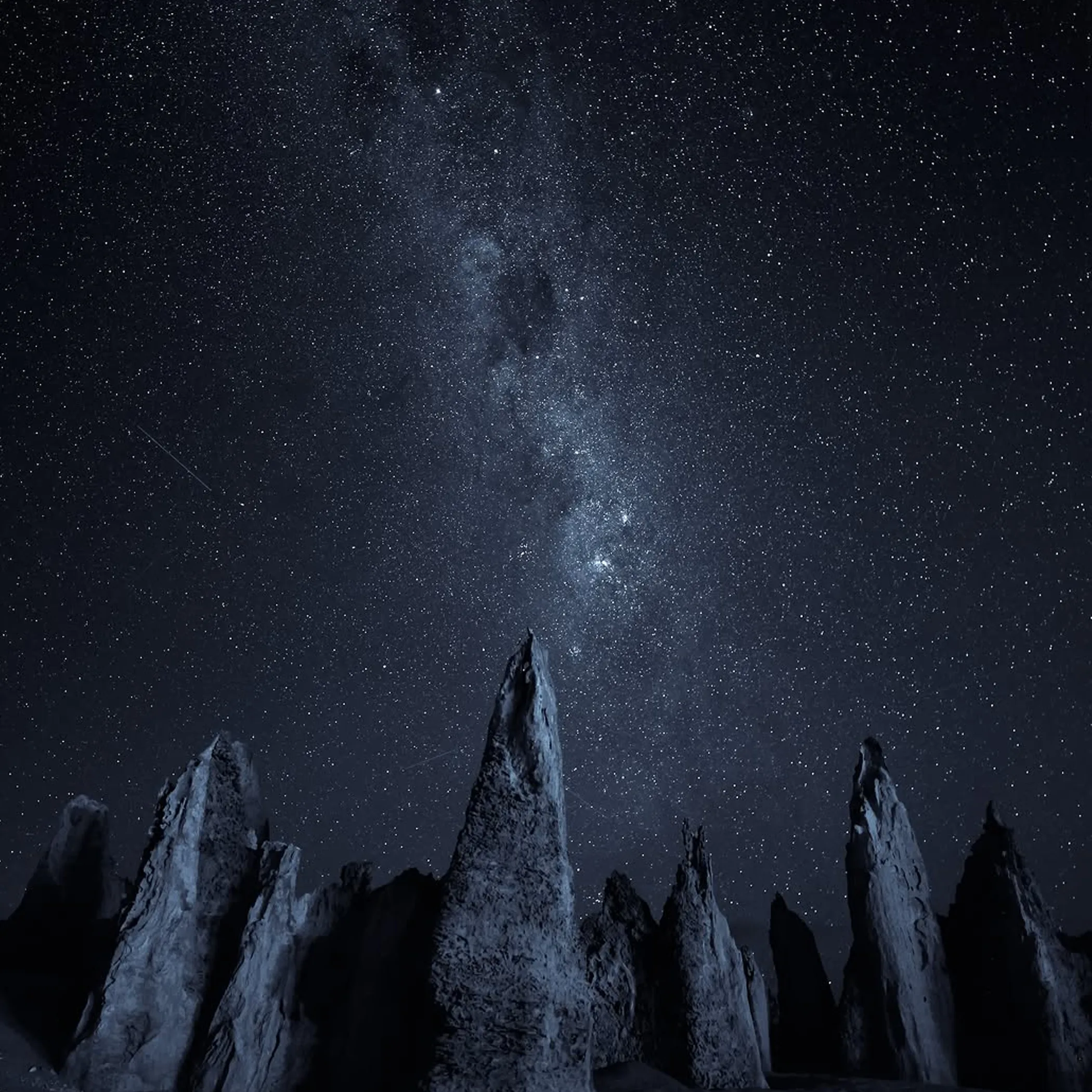
This is an enormous state and its back country is nothing like a suburban run about. You may get from Perth to the pinnacles desert australia without much trouble but the Great Northern Highway, the Nullarbor or the tracks in the Pilbara call for a firmer hand in the planning.
Those travelling for the first time are often taken aback by how an unremarkable delay can turn into something of an issue. An hour or more can be lost to a puncture, a wrong turn or a closure, and in the heat there is no comfort in standing by your car as there would be over a coffee in Perth.
What to Expect and What You Get
You might figure you will cover the posted distance in the time given. Then you encounter road trains, roadworks, a bit of rough going or want to check your tyres and have a meal, and the clock runs on. Make of your timing estimates what you will, they are a guide not a guarantee.
As for your phone, coverage has a way of vanishing for long periods when you are far from town. A satellite phone or some form of emergency beacon becomes a necessity.
Putting Your Route, Fuel and Check-Ins in Order
Proper planning affords you options if the conditions in Western Australia turn against you. Before you set off you should have your fuel and water stops, rest areas and any accommodation sorted, along with a safe place to make a U-turn.
Get up to date with Main Roads Western Australia road information prior to leaving and once more before you head into a remote part of the state. See what the forecast is and if there are any fire warnings or national park alerts; all of which can come about after you have put the esky in the car.
A Conservative Approach to Routing
Put every fuel stop you intend to make on your paper and offline maps. It is unwise to count on a roadhouse being open when it is not the height of the season. Call ahead to verify their hours if you can and have sufficient fuel to get to the next sensible option.
Do not be guided by the range your vehicle claims to have, it is not a measure of safety in the remote. The air-conditioning, sand, wind and hills will see you use more. Factor in idling in the heat and low-speed work on corrugations.
And tell a reliable person of your intentions: give them your registration, where you are staying and camping, your route and when to expect to hear from you. Have an understanding as to what they should do should you fail to check in so they are not left wondering if you have just put in for a protracted lunch.
Dealing with the Conditions
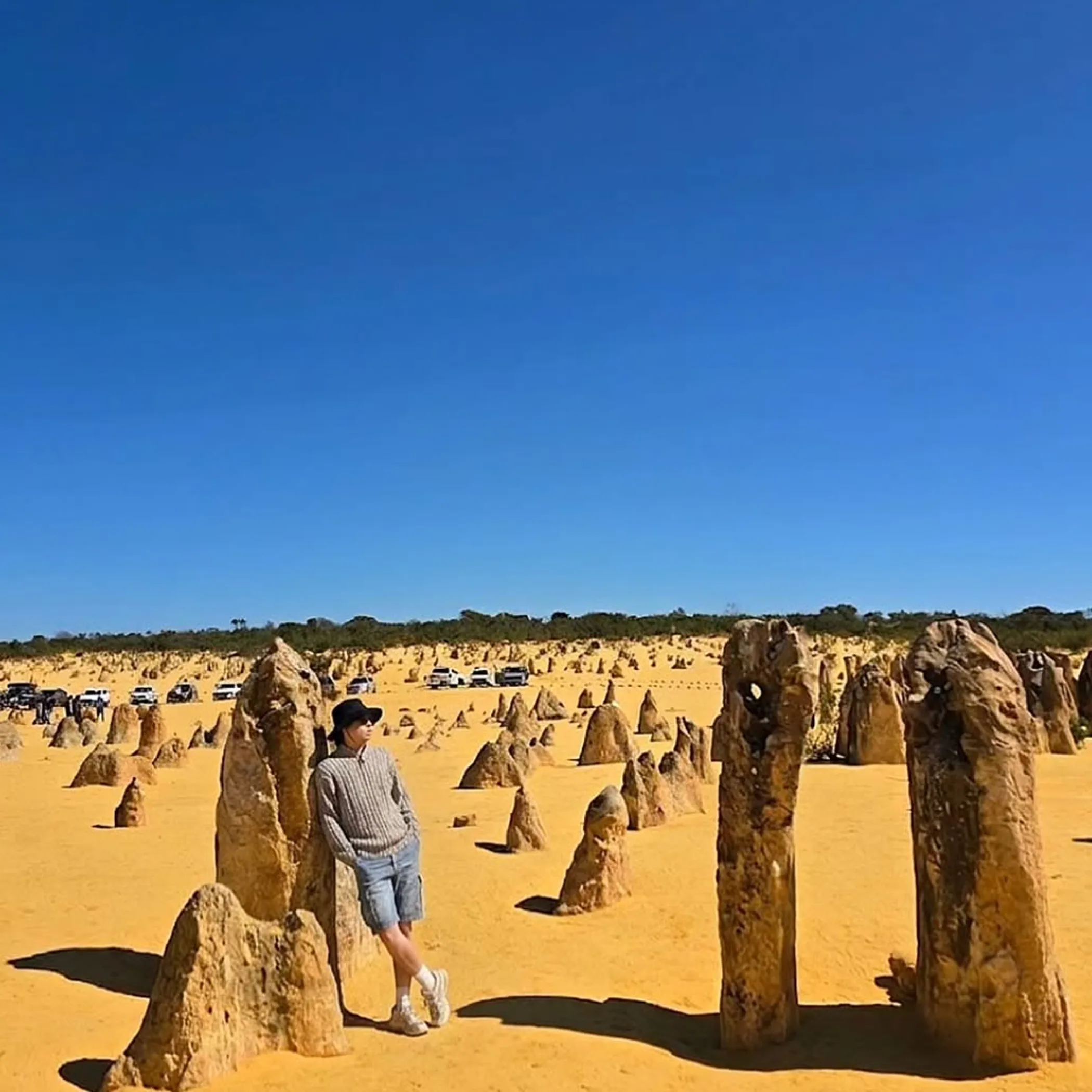
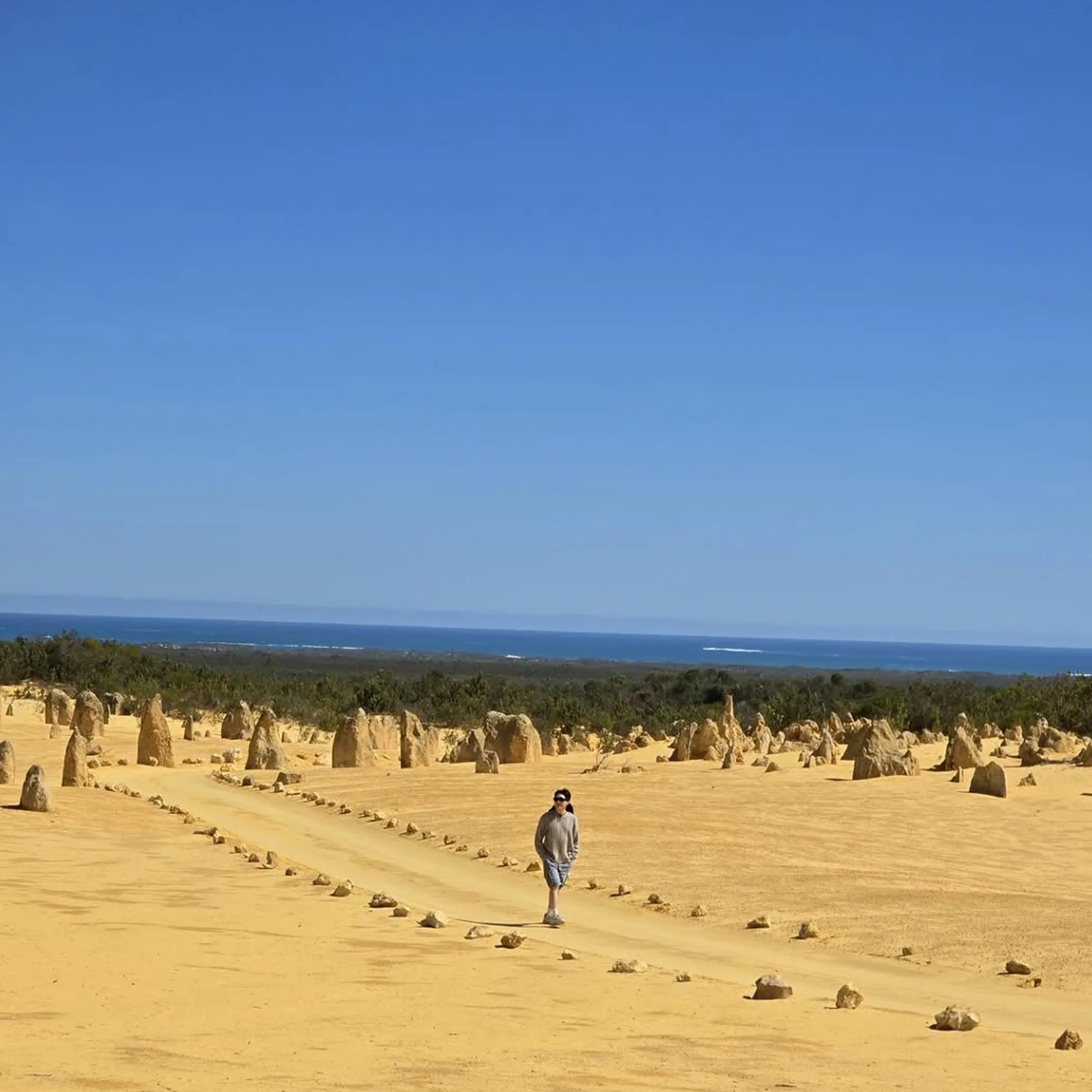
For an introduction to remote driving the Pinnacles Desert at Cervantes is good value, being within reach of Perth via the Indian Ocean Drive with support at hand, unlike in the Pilbara. But even if you are looking for pinnacles desert australia, a full tank, sun protection and a return plan are part of a sensible visit.
On the longer hauls to the Kimberley, Exmouth, Karijini or Shark Bay you need to budget for slower parts and more stops. Do not be led to believe the Gibb River Road is open because it was on an old itinerary; it has its share of unsealed roughness and creek crossings.
| Trip Section | Typical Challenge | Planning Priority |
|---|---|---|
| Perth to Pinnacles Desert | Indian Ocean Drive brings traffic and wildlife, not to mention the heat | Plan for daylight and your return |
| Shark Bay to Exmouth | Services are few and you will be covering ground for a long time | Rest breaks and a reserve of fuel and food |
| Great Northern Highway | Long straights and the odd road train | Overtaking discipline and emergency comms |
| Karijini National Park | Hazards for the walker and remote access | Permits, footwear and park alerts |
| Gibb River Road | Seasonal access, floodways and corrugations | Vehicle suitability and recovery gear |
In hot and remote surroundings a person will need 4–5 litres of drinking water a day at the very least. Put aside an emergency reserve on top of that. The figures put forward here are for planning purposes only, not to be taken as any kind of guarantee. Your requirements will be greater if you have to contend with walking, the elements or an illness, or simply delays.
Before you set off, make sure your vehicle is in order
There is nothing more worthwhile on a Western Australia road trip checklist than a thorough inspection of the vehicle. It is better to book a service in good time and have issues put right than to come across a run down battery by a floodway. Have a mechanic of standing go over the brakes, suspension, lights, belts, hoses, fluid levels, the cooling system and all tyres including the spare. Should you be towing, give the trailer the same attention as the car; look at the coupling, safety chains, bearings and electricals.
Recovery equipment
What you carry should be commensurate with your experience and your vehicle. A rated recovery point, shovel, air compressor, jack, tow points, wheel chocks and recovery boards are among the things you will find useful. Make yourself familiar with them before you leave home.
For the more isolated routes it is a good idea to have two spares, where one is likely to encounter sharp stones and corrugations. See that they are in good order and inflated; a new tyre buried under luggage is of no account when the day is done.
RAC Western Australia offers roadside assistance as per their arrangements, but in remote country the access and response times can be different. Do not rely on it in lieu of a check-in plan or adequate water and communications; verify your membership terms first.
Provisions and communications
One does not drive in the WA outback with just enough for the lunch stop, supplies must be there for any delays. Put drinking water in more than one container so a damaged one does not see to the lot. There is value in having tinned food, long-life staples and high-energy snacks that do not require cooking. And even with a clear forecast, a first aid kit, some insect repellent and warm layers are sensible.
A layered approach to your safety kit
- An emergency reserve of water over and above what you need for the trip.
- At least a day’s food for isolated stretches.
- The usual first aid, medicines, sunscreen and hats.
- Where mobile coverage is not to be relied upon, a satellite phone or emergency beacon.
- Paper and offline maps along with power banks and cables.
- Tools, a compressor and the like for tyre repair and vehicle recovery.
- Blankets, a torch, fire extinguisher and something of high visibility to wear.
Put every communication device to the test. Keep your itinerary, vehicle details and emergency numbers offline. Paper maps will not tell you the way is through a paddock as your phone might, and a satellite phone is an expensive paperweight with a dead battery.
Sensible driving

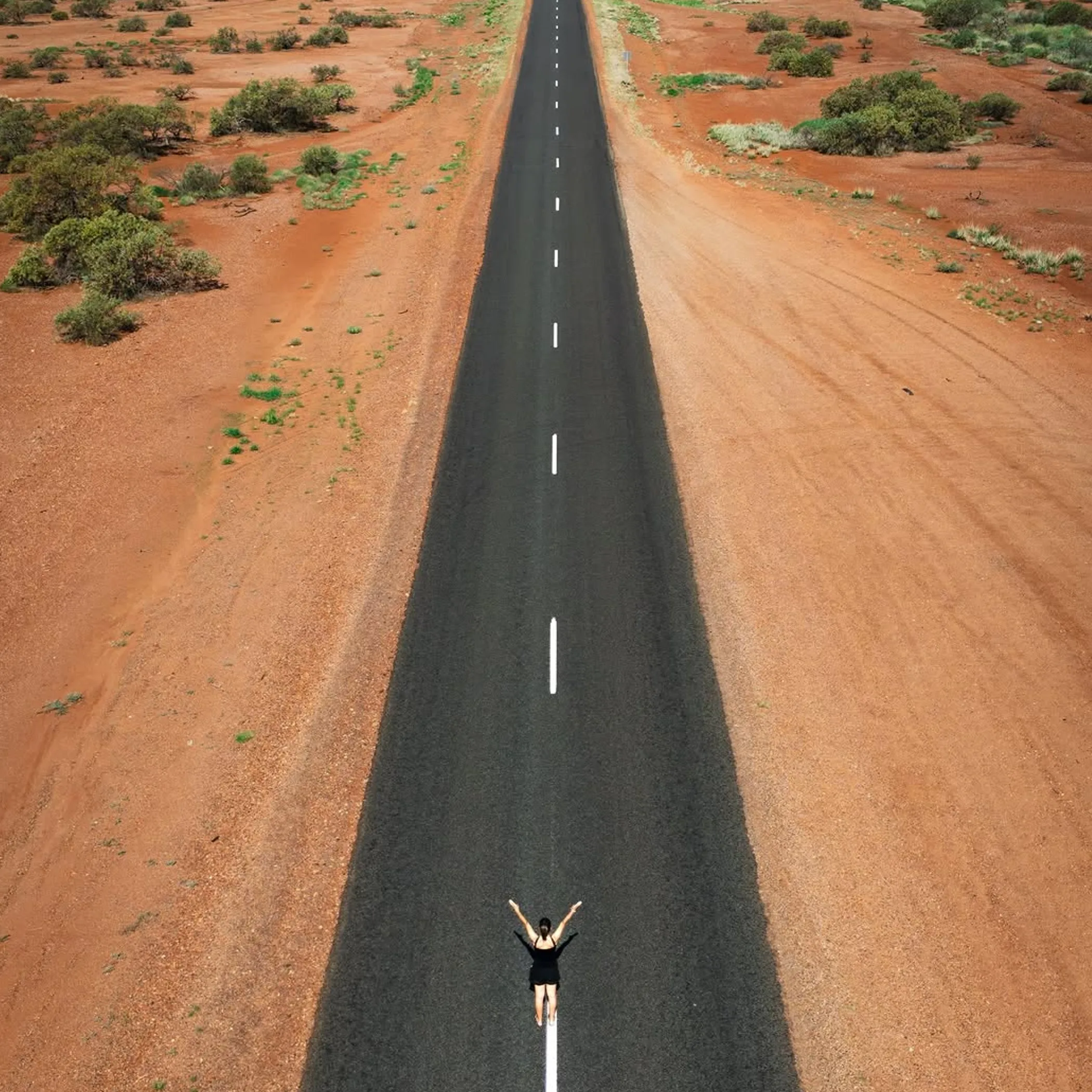
You will be safer in remote parts of WA by modulating your speed and technique for the traffic and surface. Even on sealed roads wildlife and the distance between stopping places make for hazards, as do fatigue and road trains.
Unsealed roads call for less speed into corners and a wider berth from the vehicle ahead; do not brake or turn on a whim. Corrugations and loose gravel will take their toll on your tyres and suspension and compromise grip. Do not let the view tempt you beyond what is prudent and keep both hands free.
Floodways and single-lane roads
If the depth, current or surface of a flooded area is in question, do not go in. You may be looking at a washout or debris. Heed the signs and turn back if it is not safe; a wet-season shortcut has a way of becoming a long story. On single-lane roads be wary of road trains and approaching vehicles at crests and bends. When you stop, get well off the running surface, never park past a blind corner.
Road trains
They are not passenger cars and want a great deal more room to stop or recover on a rough shoulder. Stay to the left and put some distance between you; only overtake where the law and a clear view permit. As one comes up, move as far left as you can and slow down. The dust will hide what is behind you, so rejoin the lane only when you can see. If you are towing, be circumspect, a caravan can be made to shift by crosswinds and passing traffic.
Manage Heat, Fatigue And Wildlife
There is no question that heat is a safety matter, more than an annoyance. Make allowances for it: put in some time early on, take your breaks and if you can, do not make the hottest hours of the day an ordeal. Have water to hand for every traveller, not stowed away with the luggage, and be sure to don a hat and drink at regular intervals.
On a long, straight road fatigue has a way of creeping up on you. Do not put off rotating drivers until they are properly rested and at the first hint of heavy eyelids, pull over. Loud music or an open window will not cure tiredness; a good night’s sleep is preferable to any amount of short rests.
Wildlife At Dawn
You will find kangaroos and their like most active at dawn and dusk as well as overnight. Put your foot down gently in these times, look to both sides of the road and resist the urge to swerve should an animal put itself in your path. A firm application of the brakes is safer than sending the car into the bush.
At the campsite, do not be feeding wildlife. Put away your cooking gear, food and rubbish; some animals are persistent and a few species can inflict injury or be vectors for disease. In the north one must be croc-wise near rivers, billabongs and the coast and heed any local warnings about crocodiles.
When The Car Breaks Down Out Here
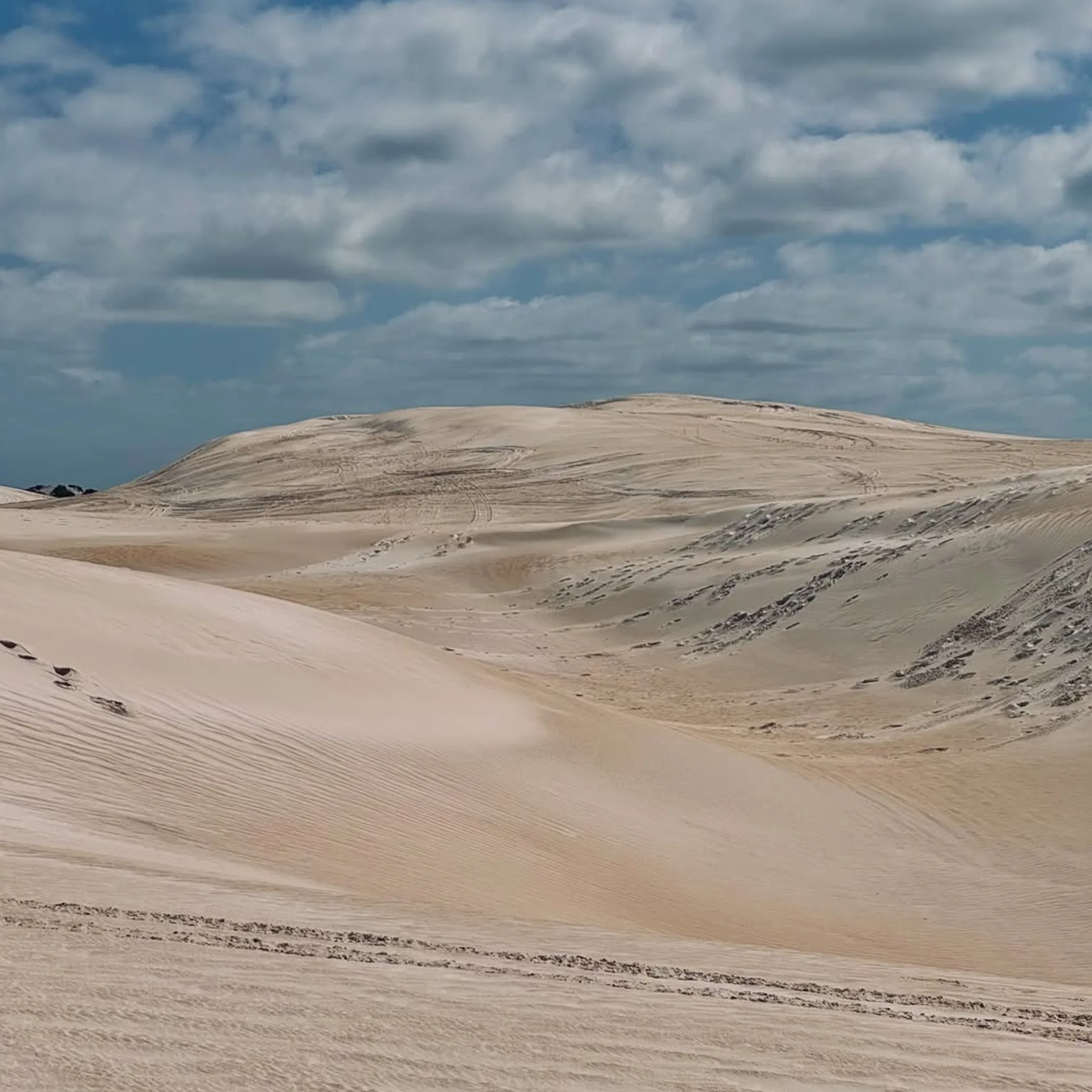
The first order of business in a WA breakdown emergency is to keep one’s composure and make the vehicle conspicuous. If you can, get out of the traffic lane and put on the hazards, but think where the vehicle is before unloading or opening doors.
- Bring the car to a safe stop, handbrake on and have a look at the traffic and terrain and what fire risk there may be.
- You would do well to stay with the car unless you can plainly reach somewhere safe.
- For urgent help put in a call on a satellite phone or use an emergency beacon, 000 for the emergency services if danger is at hand.
- Let your contact know the details of the vehicle, your position and what supplies are on hand.
- Conserve your water and make yourself seen by those passing by while you stay in the shade and the vehicle is ventilated.
If you are going to walk for help, leave word of your direction and time of departure. One can be hard pressed to judge distance in the heat of remote country. And if a vehicle shows up in the distance, do not be in a hurry to turn off your personal locator beacon; follow the maker’s instructions.
Parks And Camping
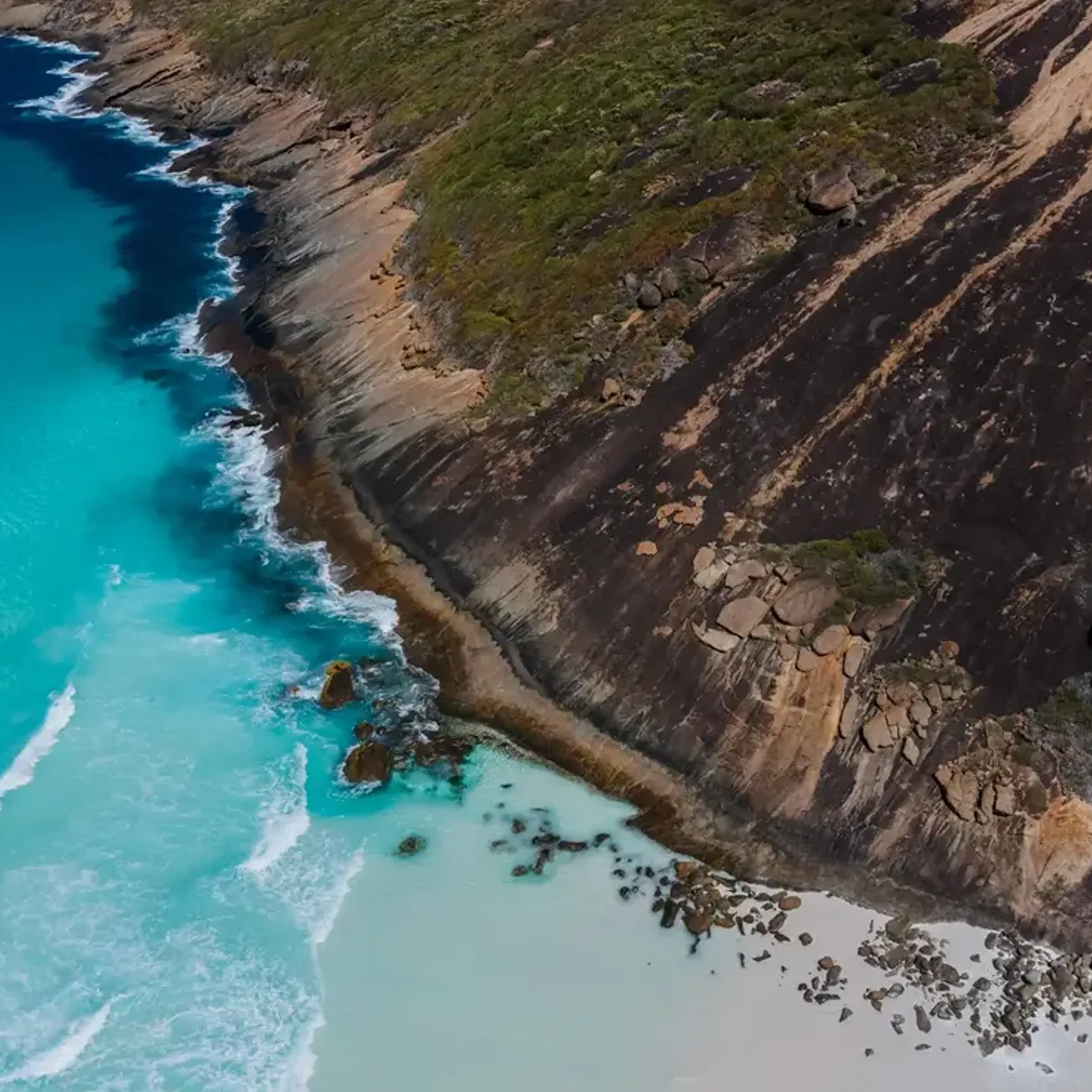
Safety in a remote WA camp is a case of picking an approved site and abiding by the park’s rules. Before you head to a national park see if you need a permit or booking and whether there are any seasonal closures or fire restrictions.
Try to have everything set up before it gets dark. Unstable trees and creek beds are no place for a tent or your vehicle; a dry creek makes for poor quarters when the weather turns.
Respect The Country
Marked tracks are to be followed and so are Aboriginal land access protocols. Some places want a guide or permission. Leave the gates as you came and take your rubbish. Check your footwear in the morning and keep pets and children in close proximity to water, campfires and cliffs. The bush has no hostility but it does not care for your holiday plans.
Remote Road Trip FAQs
Here are some answers to the kind of errors that befall travellers once they are past reliable services. Access and conditions are subject to change so check the alerts on each leg of the journey.
Western Australia Remote Road Trip: What To Pack?
Plan to have more in the way of water and food than the itinerary calls for. First aid kit, spare tyres, recovery equipment, a torch and power banks should be with you as well as offline and paper maps. Warm clothes are a good idea even in the height of summer for after the sun goes down.
Water Requirements For Remote WA
A working figure for hot weather is 4 to 5 litres a day per person for drinking, with an emergency reserve on top of that. Factor in delays, walking and the odd illness. Do not assume you will come across a public supply you can rely on.
Getting The Car Ready For The Outback
Have the vehicle given a once over, from the cooling system and battery to the lights, suspension and fluids. Know where the recovery points are and how to change a tyre. On rougher tracks you want to be sure your insurance and the car are up to the task.
Unsealed Roads In WA
Provided the road is open and you are driving to suit, yes. But slow down for corrugations and blind corners and loose gravel. After a wet spell, if the authorities say do not travel then don’t. Cross no floodwater you cannot safely evaluate.
Car Trouble?
Make a safe stop and remain with the car. Use your satellite phone or beacon to get assistance where there is no mobile signal, 000 in case of immediate peril. Your contact should be told exactly where you are. Only put in a walk for help with a plan in mind.
Making Your WA Trip Safer
The hallmark of a good outback driver is planning for the day things do not go to plan. Be patient with road trains and wildlife and let someone know your ETA.
On a maiden trip it is wise to stick to a serviceable route in the vicinity of a town, say from Perth to the Pinnacles Desert, before you try your hand at something more remote. Go at a pace that lets you take in the conditions and allow the bush to be as rough as it wants in your schedule. Not a holiday wasted, just the right way to travel in the Australian outback.
